Why most space telescope images could be blurry in next decade?
The universe has always been a subject of fascination for humans, and with the help of space telescopes, we have been able to explore and understand it better. However, a recent NASA-linked study has warned that the images captured by space telescopes could be blurry in the next decade due to satellite reflections. The study suggests that the planned megaconstellations of satellites could contaminate many space-telescope images, making it difficult for astronomers to observe and study the universe.
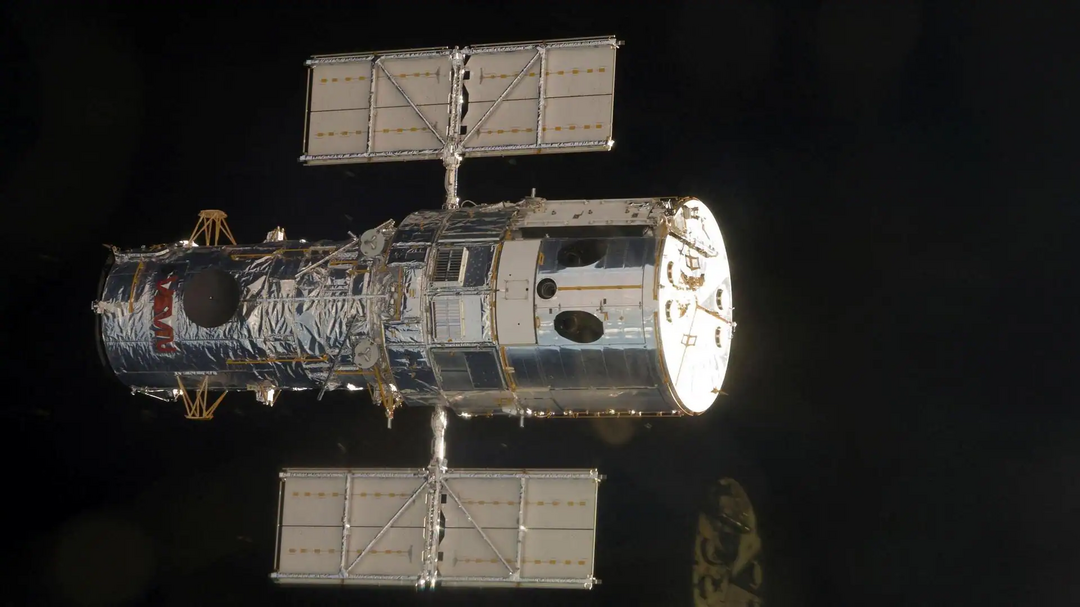
The study, which was conducted by a team of researchers, found that some telescopes may see more than 96% of exposures affected if the planned megaconstellations launch. This means that almost all the images captured by these telescopes would be blurry and unusable. The Hubble Space Telescope, which is one of the most popular and successful space telescopes, would face about 40% of exposures affected. This is a significant concern, as the Hubble Space Telescope has been instrumental in making several groundbreaking discoveries about the universe.
The main reason for this problem is the increasing number of satellites in the Earth’s orbit. With the launch of megaconstellations, the number of satellites in the Earth’s orbit is expected to increase significantly. These satellites will reflect sunlight, which will contaminate the images captured by space telescopes. The reflected sunlight will create streaks and trails in the images, making it difficult for astronomers to observe and study the universe.
The problem is not just limited to the Hubble Space Telescope. Other space telescopes, such as the James Webb Space Telescope and the Wide Field Infrared Survey Telescope (WFIRST), will also be affected. The James Webb Space Telescope, which is scheduled to launch in the near future, is designed to study the universe in infrared light. However, the satellite reflections could contaminate its images, making it difficult for astronomers to study the universe.
The Wide Field Infrared Survey Telescope (WFIRST) is another space telescope that will be affected by satellite reflections. WFIRST is designed to study the universe in infrared light and will be used to study dark energy, exoplanets, and other astronomical phenomena. However, the satellite reflections could contaminate its images, making it difficult for astronomers to study these phenomena.
The researchers who conducted the study caution that astronomical events could be lost when satellite trails cross critical observations. This means that astronomers may miss important events, such as supernovae explosions or gamma-ray bursts, due to the contamination of images by satellite reflections. This is a significant concern, as these events are rare and can provide valuable insights into the universe.
The study also suggests that the problem of satellite reflections will worsen over time. As more satellites are launched, the number of reflections will increase, making it even more difficult for astronomers to observe and study the universe. This is a significant concern, as it could limit our ability to study the universe and make new discoveries.
The researchers who conducted the study are calling for measures to be taken to mitigate the problem of satellite reflections. They suggest that satellite operators should take steps to reduce the reflectivity of their satellites, such as using special coatings or designs. They also suggest that astronomers should develop new techniques to remove the effects of satellite reflections from their images.
In conclusion, the study suggests that the images captured by space telescopes could be blurry in the next decade due to satellite reflections. The planned megaconstellations of satellites could contaminate many space-telescope images, making it difficult for astronomers to observe and study the universe. The problem is not just limited to the Hubble Space Telescope, but will also affect other space telescopes, such as the James Webb Space Telescope and the Wide Field Infrared Survey Telescope (WFIRST). The researchers who conducted the study caution that astronomical events could be lost when satellite trails cross critical observations, and are calling for measures to be taken to mitigate the problem of satellite reflections.
The study highlights the need for satellite operators and astronomers to work together to address the problem of satellite reflections. By taking steps to reduce the reflectivity of satellites and developing new techniques to remove the effects of satellite reflections, we can ensure that space telescopes continue to capture high-quality images of the universe. This will enable us to continue to explore and understand the universe, and make new discoveries that will help us to better understand the cosmos.
The issue of satellite reflections is a complex one, and it will require a coordinated effort to address it. However, by working together, we can ensure that space telescopes continue to play a vital role in our understanding of the universe. The study is a wake-up call for the astronomical community, and it highlights the need for us to take action to protect the quality of space-telescope images.
In the coming decade, we can expect to see a significant increase in the number of satellites in the Earth’s orbit. This will make it even more challenging for astronomers to observe and study the universe. However, by taking steps to mitigate the problem of satellite reflections, we can ensure that space telescopes continue to capture high-quality images of the universe.
The study is a reminder that the universe is a complex and dynamic place, and that our ability to study it is dependent on a variety of factors. The problem of satellite reflections is just one of the many challenges that astronomers face, and it highlights the need for us to be vigilant and proactive in addressing these challenges.
In the end, the study suggests that the images captured by space telescopes could be blurry in the next decade due to satellite reflections. However, by working together and taking steps to mitigate the problem, we can ensure that space telescopes continue to play a vital role in our understanding of the universe.
News Source: https://www.newsbytesapp.com/news/science/satellite-reflections-could-ruin-over-95-of-space-telescope-images/story
About the Author