Why most space telescope images could be blurry in next decade?
The advent of space telescopes has revolutionized our understanding of the universe, allowing us to study celestial objects and events in unprecedented detail. However, a recent NASA-linked study has raised concerns that the increasing number of satellites in Earth’s orbit could contaminate many space-telescope images in the coming decade. The study warns that satellite reflections could render a significant portion of exposures unusable, potentially leading to the loss of critical astronomical events.
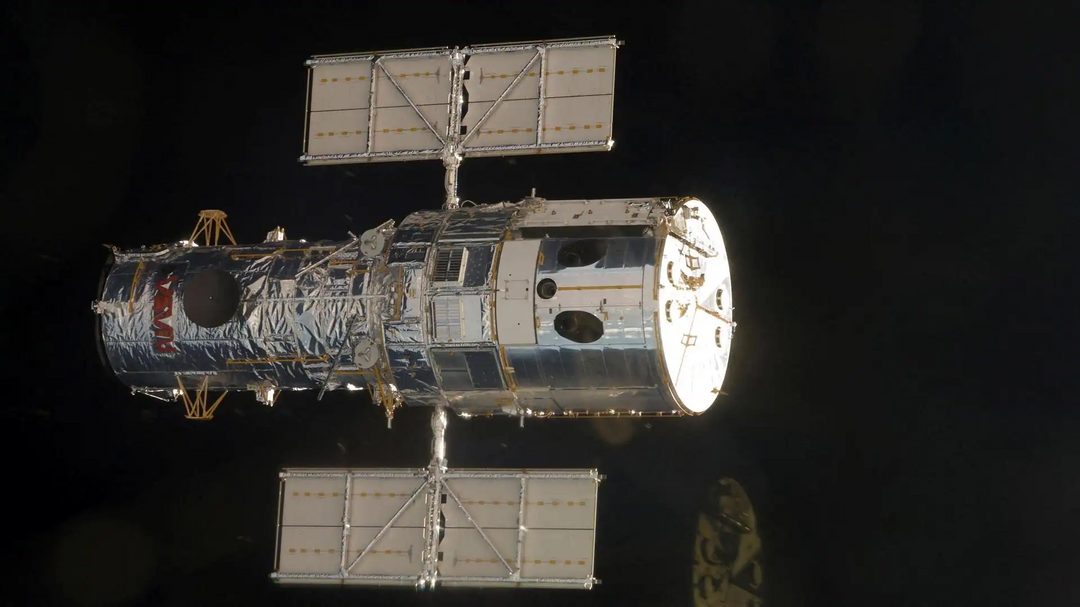
The issue at hand is the growing number of megaconstellations, which are vast networks of satellites designed to provide global internet coverage. While these constellations promise to bring faster and more reliable internet access to remote areas, they also pose a significant threat to astronomical research. The study suggests that if these megaconstellations are launched as planned, some telescopes may see more than 96% of exposures affected by satellite reflections. Even the Hubble Space Telescope, one of the most advanced and iconic space telescopes, would face a significant impact, with around 40% of its exposures potentially contaminated.
The problem arises when satellites reflect sunlight or other forms of electromagnetic radiation, which can then be captured by space telescopes. These reflections can appear as bright streaks or trails in images, effectively ruining the data. The trails can be particularly problematic when they cross critical observations, such as the detection of exoplanets, supernovae, or other rare astronomical events. In such cases, the contamination can lead to the loss of valuable scientific data, making it challenging for researchers to study these events in detail.
The impact of satellite reflections on space-telescope images is not limited to the quantity of data affected but also the quality of the data. Even if a small portion of an exposure is contaminated, the entire image may be rendered unusable. This is because astronomical research often relies on precise measurements and high-quality data to draw meaningful conclusions. When satellite trails are present, they can introduce errors and uncertainties that can compromise the accuracy of the results.
The study highlights the need for urgent action to mitigate the effects of satellite reflections on space-telescope images. One possible solution is to implement regulations or guidelines for satellite operators to minimize the impact of their constellations on astronomical research. This could involve adjusting the orbits or orientations of satellites to reduce the amount of reflected radiation or using materials that absorb or scatter radiation instead of reflecting it.
Another approach is to develop new technologies or strategies for removing satellite trails from images. This could involve advanced image processing algorithms or the use of machine learning techniques to identify and correct for contamination. However, these solutions are still in their infancy, and significant research and development are needed to make them effective.
The situation is further complicated by the fact that the number of satellites in Earth’s orbit is expected to increase dramatically in the coming years. With several companies, including SpaceX, Amazon, and OneWeb, planning to launch thousands of satellites as part of their megaconstellations, the problem of satellite reflections is likely to worsen. This highlights the need for international cooperation and agreement on regulations or standards for satellite operations to minimize the impact on astronomical research.
In conclusion, the increasing number of satellites in Earth’s orbit poses a significant threat to space-telescope images, with the potential to contaminate a large portion of exposures. The impact of satellite reflections on astronomical research could be severe, leading to the loss of critical data and compromising our understanding of the universe. While solutions are being explored, urgent action is needed to mitigate the effects of satellite reflections and ensure that space telescopes can continue to operate effectively.
As the situation continues to evolve, it is essential to stay informed about the latest developments and research on this topic. For more information, please visit the original news source:
About the Author