Why most space telescope images could be blurry in next decade?
The universe has always been a subject of fascination for humans, with scientists and astronomers constantly seeking to explore and understand its vast expanse. Space telescopes have been instrumental in this pursuit, providing us with breathtaking images and valuable data about celestial bodies and events. However, a recent NASA-linked study has raised concerns that the quality of these images may be compromised in the coming decade. The culprit behind this potential degradation is not a technical glitch or equipment malfunction, but rather the increasing number of satellites in Earth’s orbit.
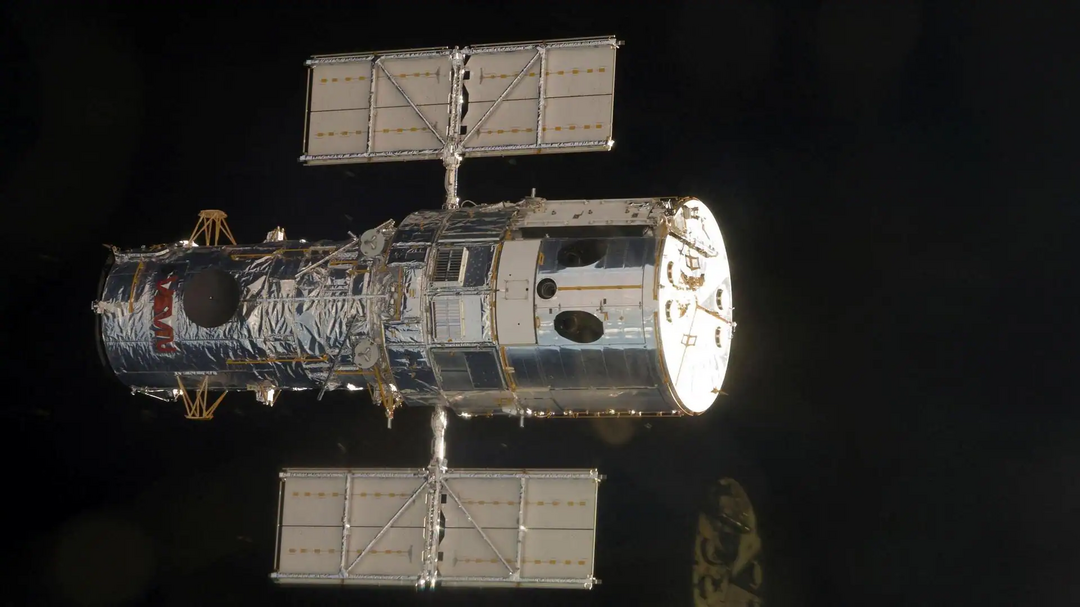
The study warns that satellite reflections could contaminate many space-telescope images, leading to a significant decrease in their quality. This is particularly concerning, as some telescopes may see more than 96% of exposures affected if planned megaconstellations launch. Even the Hubble Space Telescope, one of the most iconic and reliable space telescopes, would face a significant impact, with around 40% of its exposures potentially being affected. The researchers caution that astronomical events could be lost when satellite trails cross critical observations, which would be a significant setback for the scientific community.
The main cause of this problem is the rapid proliferation of satellites in Earth’s orbit. In recent years, there has been a surge in the number of satellites being launched, with many more planned for the coming decade. While these satellites have the potential to revolutionize communication, navigation, and other fields, they also pose a significant threat to astronomical research. The reflections from these satellites can interfere with the observations made by space telescopes, leading to blurry and distorted images.
One of the primary concerns is the impact of megaconstellations, which are large groups of satellites launched by a single company or organization. These megaconstellations are designed to provide global coverage and high-speed internet connectivity, but they also pose a significant threat to astronomical research. The sheer number of satellites in these constellations means that they will be visible from a large portion of the Earth’s surface, leading to a significant increase in satellite reflections.
The study highlights the potential consequences of this phenomenon, warning that it could have a significant impact on our ability to study the universe. Astronomers rely on space telescopes to make precise observations of celestial bodies and events, and any degradation in image quality could compromise the accuracy of their research. This, in turn, could lead to a lack of understanding about the universe and its many mysteries.
Furthermore, the problem is not limited to space telescopes alone. Ground-based telescopes could also be affected, as the satellite reflections could interfere with their observations. This would be a significant setback for astronomers, who rely on a combination of space-based and ground-based telescopes to make observations and gather data.
The researchers behind the study are calling for urgent action to mitigate the impact of satellite reflections on space-telescope images. They suggest that satellite operators and astronomers work together to develop strategies for minimizing the interference caused by satellites. This could include adjusting the orbits of satellites, using specialized coatings to reduce reflections, or developing new technologies that can filter out satellite trails from images.
In conclusion, the potential for satellite reflections to contaminate space-telescope images is a significant concern that needs to be addressed. With the number of satellites in Earth’s orbit expected to increase dramatically in the coming decade, it is essential that astronomers, satellite operators, and policymakers work together to find solutions to this problem. The universe is full of mysteries waiting to be unraveled, and it is our responsibility to ensure that we can continue to explore and understand it without any obstacles.
The study’s findings are a wake-up call for the scientific community, highlighting the need for urgent action to protect the quality of space-telescope images. As we continue to explore the universe and push the boundaries of human knowledge, it is essential that we take steps to mitigate the impact of satellite reflections and ensure that our observations remain accurate and reliable.
The potential consequences of inaction are too great to ignore. If we fail to address this issue, we risk losing valuable insights into the universe and its many mysteries. The astronomical community must come together to develop solutions to this problem, and policymakers must take steps to regulate the launch of satellites and minimize their impact on astronomical research.
In the end, it is up to us to ensure that our pursuit of knowledge and understanding of the universe is not compromised by human activities. We must take responsibility for our actions and work towards finding solutions that balance our need for technological advancement with our desire to explore and understand the cosmos.
News source: https://www.newsbytesapp.com/news/science/satellite-reflections-could-ruin-over-95-of-space-telescope-images/story
About the Author