Why most space telescope images could be blurry in next decade?
The universe has always been a subject of fascination for humans, and with the help of space telescopes, we have been able to explore and understand it better. However, a recent study linked to NASA has warned that the images captured by space telescopes could be severely affected in the coming decade. The culprit behind this potential problem is the increasing number of satellites in the Earth’s orbit, which could contaminate many space-telescope images. In this blog post, we will delve into the details of this study and explore the potential consequences of satellite reflections on space telescope images.
The study, which was conducted by a team of researchers, warns that the planned megaconstellations of satellites could lead to a significant increase in the number of satellite reflections that could contaminate space-telescope images. These reflections occur when the light from the sun or other bright objects bounces off the satellites and into the telescopes, causing streaks or trails in the images. The researchers caution that this could lead to a loss of critical observations, particularly during astronomical events such as supernovae or gamma-ray bursts.
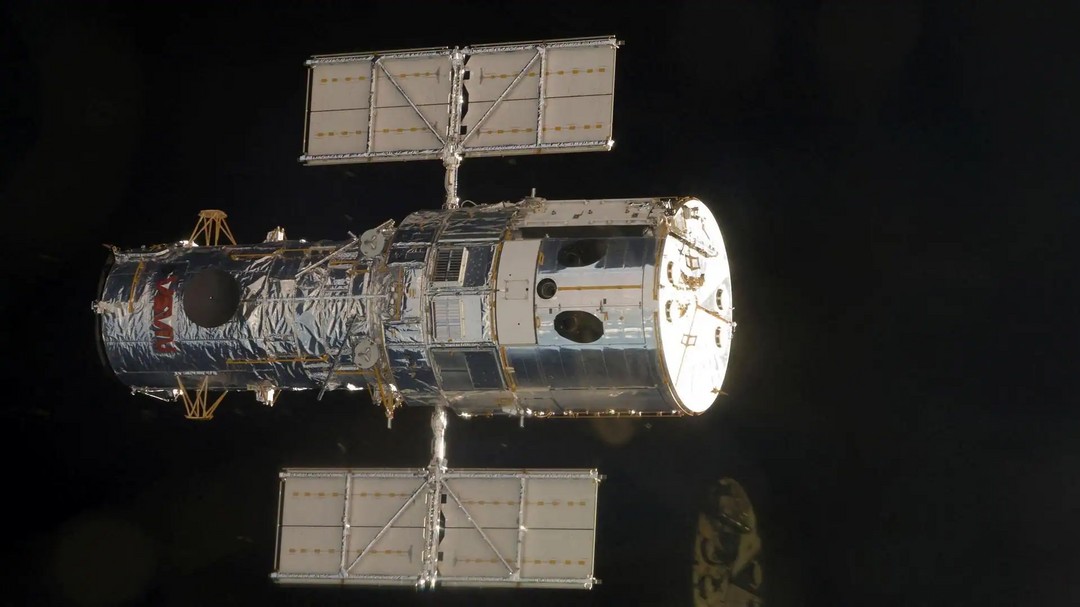
According to the study, some space telescopes could see more than 96% of their exposures affected by satellite reflections if the planned megaconstellations are launched. This is a staggering number, and it could have severe consequences for our understanding of the universe. The Hubble Space Telescope, which is one of the most iconic and productive space telescopes, could face about 40% of its exposures being affected by satellite reflections. This is still a significant number, and it could lead to a loss of valuable data and insights.
The problem of satellite reflections is not new, and it has been a concern for astronomers for several years. However, the planned megaconstellations of satellites could exacerbate the problem to a significant extent. These megaconstellations, which are being launched by companies such as SpaceX and Amazon, consist of thousands of small satellites that are designed to provide global internet coverage. While these satellites could bring many benefits, such as improved internet connectivity, they could also have a significant impact on the quality of space-telescope images.
The researchers who conducted the study used computer simulations to model the effects of satellite reflections on space-telescope images. They found that the reflections could be particularly problematic for telescopes that are designed to observe faint objects, such as distant galaxies or stars. These telescopes rely on long exposures to capture the faint light from these objects, and satellite reflections could contaminate these exposures and make it difficult to obtain accurate data.
The study’s findings have significant implications for the field of astronomy, and they highlight the need for more careful planning and regulation of satellite launches. The researchers caution that the proliferation of satellites in the Earth’s orbit could lead to a “loss of astronomical events” if the problem of satellite reflections is not addressed. This could have severe consequences for our understanding of the universe, and it could set back the progress that has been made in the field of astronomy.
In conclusion, the study’s findings are a wake-up call for the astronomy community, and they highlight the need for more careful planning and regulation of satellite launches. The problem of satellite reflections is a complex one, and it will require a coordinated effort from astronomers, satellite companies, and regulatory agencies to address. By working together, we can minimize the impact of satellite reflections on space-telescope images and ensure that we can continue to explore and understand the universe with clarity and precision.
News Source: https://www.newsbytesapp.com/news/science/satellite-reflections-could-ruin-over-95-of-space-telescope-images/story
About the Author