Why most space telescope images could be blurry in next decade?
The advent of space telescopes has revolutionized our understanding of the universe, allowing us to capture stunning images of distant galaxies, stars, and planets. However, a recent NASA-linked study has raised concerns that the next decade may see a significant decline in the quality of these images. The culprit behind this potential degradation is not a technical glitch or a lack of funding, but rather the increasing number of satellites in Earth’s orbit. According to the study, satellite reflections could contaminate many space-telescope images, rendering them blurry and potentially useless for scientific research.
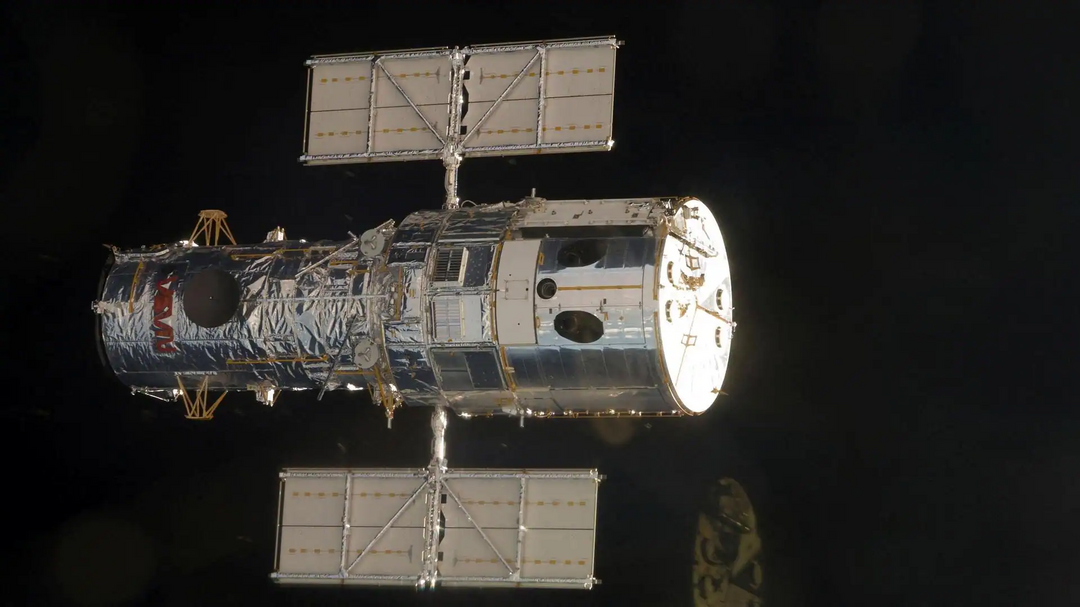
The problem lies in the fact that many private companies, such as SpaceX and Amazon, are planning to launch massive constellations of satellites into low Earth orbit. These satellites will be designed to provide global internet coverage, but they will also reflect a significant amount of sunlight, which can interfere with the observations of space telescopes. The study warns that some telescopes may see more than 96% of their exposures affected by these satellite reflections, while others, like the Hubble Space Telescope, may face contamination rates of around 40%.
The impact of satellite reflections on space-telescope images will be most pronounced during the twilight hours, when the sun is below the horizon but still illuminating the satellites. During this time, the satellites will reflect a significant amount of sunlight, creating bright streaks across the images captured by space telescopes. These streaks can be particularly problematic for astronomers who are trying to observe faint objects, such as distant galaxies or exoplanets.
One of the most significant concerns is that these satellite reflections could lead to the loss of critical observations of astronomical events. For example, if a space telescope is trying to capture an image of a supernova or a gamma-ray burst, a satellite trail could cross the field of view, rendering the observation useless. This could have significant implications for our understanding of the universe, as these events are often rare and fleeting.
The study’s findings are based on simulations of the planned satellite constellations and their potential impact on space-telescope observations. The researchers used a combination of computational models and empirical data to estimate the number of satellite reflections that will contaminate space-telescope images. The results are alarming, with some telescopes facing contamination rates that are significantly higher than others.
So, what can be done to mitigate the impact of satellite reflections on space-telescope images? One possible solution is to implement strategies for avoiding or removing satellite trails from images. For example, astronomers could use algorithms to detect and remove satellite reflections from their data, or they could schedule their observations during times when the satellites are not visible. Another solution is to design new space telescopes that are less susceptible to satellite reflections, such as those that use specialized optics or observing strategies.
However, these solutions are not without their challenges. Removing satellite trails from images can be a complex and time-consuming process, and it may not always be possible to completely eliminate the effects of satellite reflections. Additionally, designing new space telescopes that are resistant to satellite reflections will require significant investment and technological innovation.
In conclusion, the next decade may see a significant decline in the quality of space-telescope images due to the increasing number of satellites in Earth’s orbit. Satellite reflections could contaminate many images, rendering them blurry and potentially useless for scientific research. While there are potential solutions to mitigate this problem, they will require significant investment and innovation. As we continue to explore the universe and push the boundaries of human knowledge, it is essential that we address this challenge and find ways to preserve the quality of space-telescope images.
The study’s findings are a stark reminder of the need for responsible and sustainable development of space technology. As we launch more satellites into orbit, we must consider the potential impacts on astronomical research and take steps to mitigate them. By working together, we can ensure that the next decade of space exploration is marked by breathtaking discoveries and stunning images, rather than blurry and contaminated data.
News Source: https://www.newsbytesapp.com/news/science/satellite-reflections-could-ruin-over-95-of-space-telescope-images/story
About the Author