Why most space telescope images could be blurry in next decade?
The universe has always been a subject of human fascination, and with the help of space telescopes, we have been able to explore and understand it better. However, a recent study linked to NASA has raised concerns that the images captured by these telescopes may become blurry in the coming decade. The culprit behind this potential problem is not a technical glitch or a lack of funding, but rather the increasing number of satellites in the Earth’s orbit.
The study warns that the reflections from these satellites could contaminate many space-telescope images, making them blurry and unusable. This is a significant concern, as space telescopes like Hubble have been instrumental in helping us understand the universe, from the formation of stars and galaxies to the detection of exoplanets. The potential loss of image quality could hinder our ability to make new discoveries and understand the universe better.
The problem is expected to worsen with the launch of planned megaconstellations, which will add thousands of new satellites to the Earth’s orbit. These satellites will be used for a variety of purposes, including communication, navigation, and Earth observation. However, their presence in the orbit will also increase the amount of reflected light that could interfere with space-telescope images.
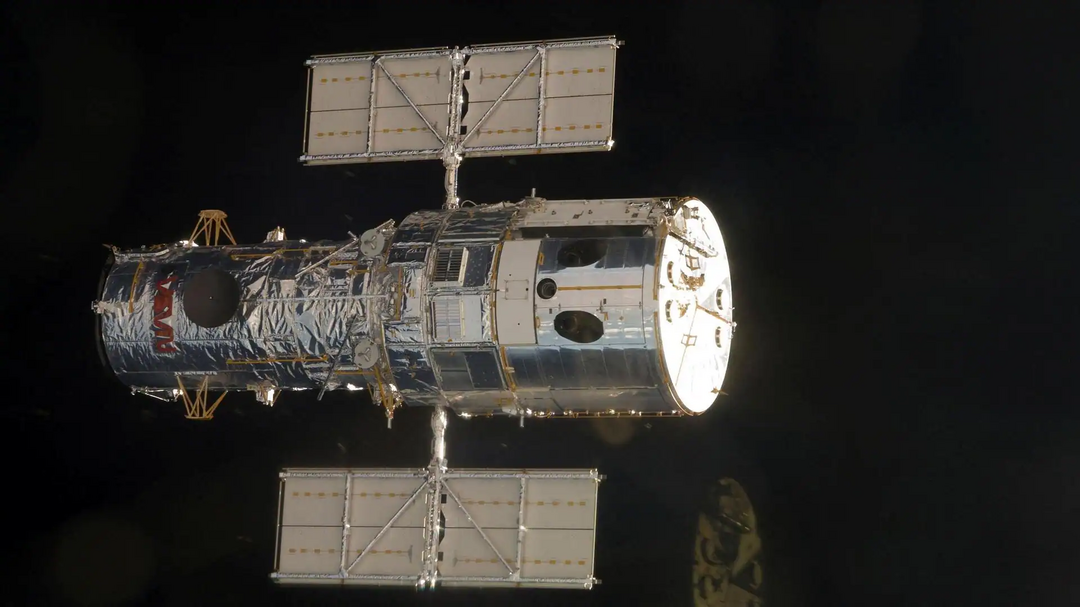
According to the study, some telescopes may see more than 96% of exposures affected by satellite reflections if the planned megaconstellations launch. This is a staggering number, and it could have significant implications for the field of astronomy. The Hubble Space Telescope, which has been one of the most successful and iconic space telescopes, could also be affected, with around 40% of its exposures potentially being ruined by satellite reflections.
The concern is not just about the number of affected images, but also about the potential loss of critical observations. Astronomical events like supernovae, gamma-ray bursts, and gravitational waves are rare and often unpredictable. If satellite trails cross these critical observations, they could be lost forever, and scientists may miss out on valuable opportunities to study these phenomena.
The problem of satellite reflections is not new, and astronomers have been aware of it for some time. However, the increasing number of satellites in the Earth’s orbit has made it a more pressing concern. The study highlights the need for astronomers, satellite operators, and regulators to work together to mitigate the effects of satellite reflections on space-telescope images.
One possible solution is to implement measures to reduce the reflectivity of satellites, such as using darker materials or designing them to minimize reflections. Satellite operators could also be required to provide information about the location and orbit of their satellites, allowing astronomers to plan their observations accordingly.
Another solution is to develop new technologies that can help remove satellite trails from images. This could involve using advanced algorithms or machine learning techniques to detect and remove the trails. However, these solutions are still in the development stage, and it may take some time before they become widely available.
The study’s findings are a reminder that the increasing number of satellites in the Earth’s orbit is not just a problem for astronomers, but also for the environment and society as a whole. The launch of megaconstellations has raised concerns about the potential impact on the environment, including the creation of space debris and the disruption of natural ecosystems.
In conclusion, the potential for satellite reflections to contaminate space-telescope images is a significant concern that could have far-reaching implications for the field of astronomy. The study’s findings highlight the need for urgent action to mitigate the effects of satellite reflections and ensure that space telescopes can continue to capture high-quality images of the universe.
As we look to the future, it is essential that we find solutions to this problem, whether through the development of new technologies or the implementation of regulations to reduce the impact of satellite reflections. The universe is full of mysteries waiting to be uncovered, and we must ensure that our ability to explore and understand it is not hindered by human activities.
News source: https://www.newsbytesapp.com/news/science/satellite-reflections-could-ruin-over-95-of-space-telescope-images/story
About the Author