Why most space telescope images could be blurry in next decade?
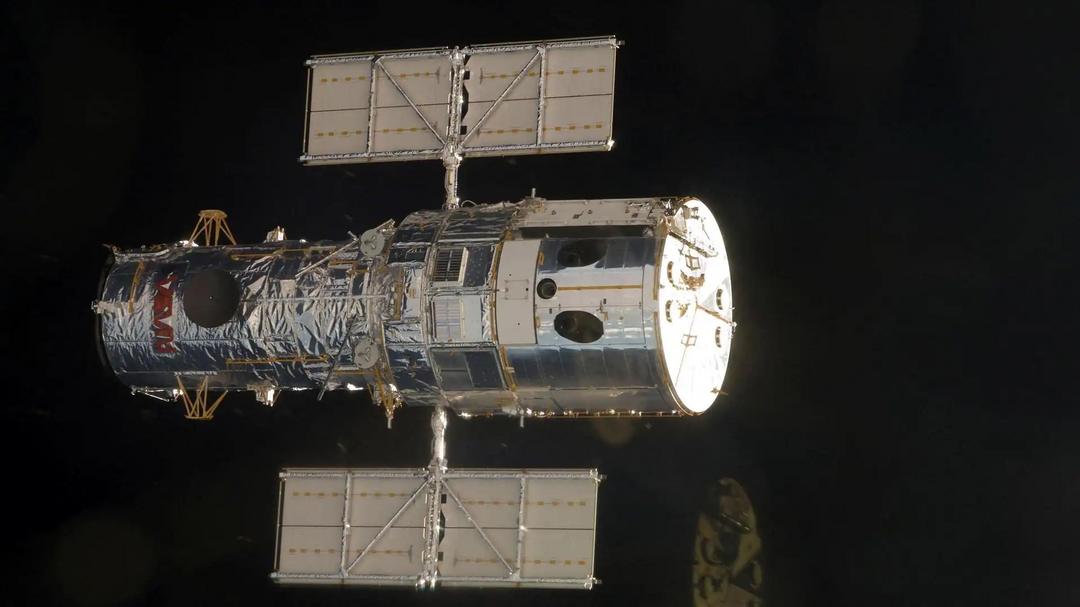
The advancement of space technology has enabled us to capture stunning images of the universe, thanks to powerful space telescopes like the Hubble Space Telescope. However, a recent NASA-linked study has raised concerns that the next decade may see a significant decline in the quality of these images. The culprit behind this potential degradation is not a technical glitch or equipment failure, but rather the increasing number of satellites in Earth’s orbit. According to the study, satellite reflections could contaminate many space-telescope images, resulting in blurry and unusable data.
The problem lies in the fact that satellites in low Earth orbit reflect sunlight, which can interfere with the sensitive instruments on board space telescopes. As the number of satellites in orbit increases, so does the likelihood of these reflections contaminating telescope images. The study warns that some telescopes may see more than 96% of exposures affected if planned megaconstellations launch, while telescopes like Hubble would face about 40% contamination. This is a alarming statistic, considering the crucial role that space telescopes play in advancing our understanding of the universe.
The impact of satellite reflections on space telescope images is not just a minor issue; it has the potential to compromise the integrity of astronomical research. When satellite trails cross critical observations, they can obscure important details, making it impossible to gather accurate data. This can lead to missed opportunities to study rare astronomical events, such as supernovae or exoplanet transits. The loss of these events can set back scientific progress, as researchers rely on these observations to refine their theories and models.
The planned megaconstellations, which involve launching thousands of satellites into low Earth orbit, are the primary drivers of this problem. Companies like SpaceX, Amazon, and OneWeb are planning to launch vast networks of satellites to provide global internet coverage. While these constellations promise to revolutionize communication and connectivity, they also pose a significant threat to astronomical research.
The study’s findings are based on simulations of satellite reflections and their impact on space telescope images. The researchers used data from existing satellite constellations and extrapolated it to predict the effects of future launches. The results are stark, with some telescopes facing contamination levels that render them almost useless. The study’s authors caution that the astronomical community must take immediate action to mitigate this problem, or risk losing valuable data and insights.
One possible solution is to implement measures to reduce satellite reflectivity. This could involve designing satellites with special coatings or shapes that minimize their reflectivity. Another approach is to coordinate with satellite operators to schedule observations during times when satellites are not in the field of view. However, these solutions are not straightforward, and will require collaboration between satellite operators, astronomers, and regulatory agencies.
The issue of satellite reflections is not just a technical challenge; it also raises important questions about the governance of space and the balance between competing interests. As the number of satellites in orbit grows, so does the potential for conflicts between different users of space. The astronomical community must navigate these complex issues to ensure that the pursuit of scientific knowledge is not compromised by commercial or technological interests.
In conclusion, the next decade may see a significant decline in the quality of space telescope images, thanks to the growing number of satellites in Earth’s orbit. The study’s findings are a wake-up call for the astronomical community, highlighting the need for urgent action to mitigate the effects of satellite reflections. As we continue to explore the universe and push the boundaries of human knowledge, we must also ensure that our technological advancements do not compromise our ability to study the cosmos.
News Source: https://www.newsbytesapp.com/news/science/satellite-reflections-could-ruin-over-95-of-space-telescope-images/story
About the Author