Why most space telescope images could be blurry in next decade?
The advancement of space technology has led to a significant increase in the number of satellites being launched into orbit around the Earth. While this has opened up new opportunities for communication, navigation, and scientific research, it also poses a significant threat to the field of astronomy. A recent NASA-linked study has warned that the reflections from these satellites could contaminate many space-telescope images in the coming decade, potentially ruining over 95% of exposures.
The study, which was conducted by a team of researchers from the University of California, Berkeley, and the European Southern Observatory, found that the planned launch of megaconstellations, such as those proposed by SpaceX and Amazon, could have a devastating impact on astronomical observations. The researchers used computer simulations to model the effects of satellite reflections on space-telescope images and found that some telescopes may see more than 96% of exposures affected. This means that nearly all of the images captured by these telescopes could be blurry and unusable for scientific research.
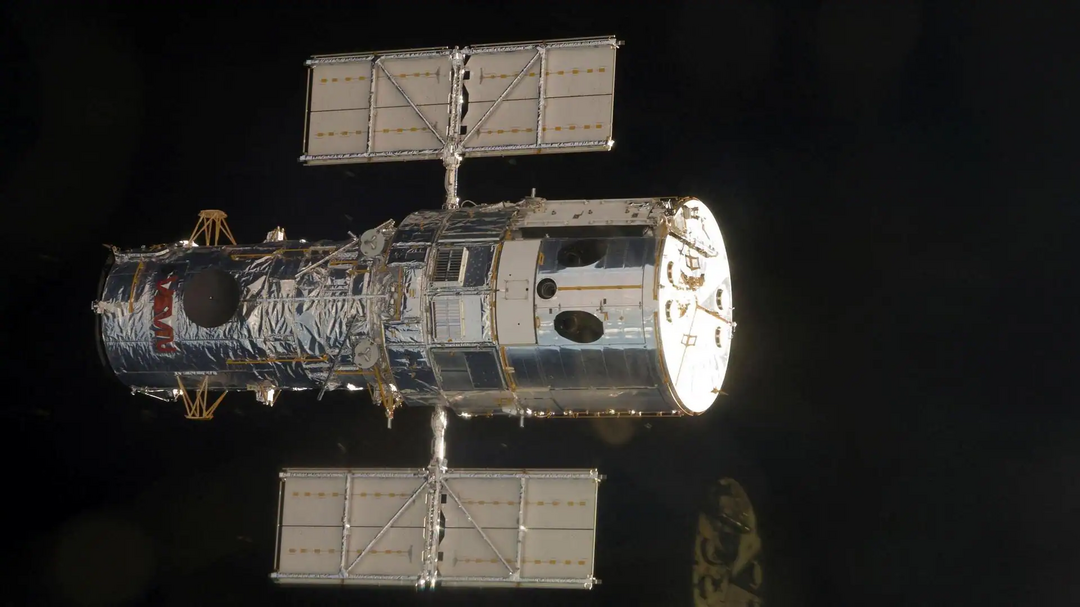
The Hubble Space Telescope, which is one of the most iconic and productive telescopes in history, would also be affected by the satellite reflections. According to the study, the Hubble Space Telescope could face about 40% of exposures being contaminated by satellite trails. This is a significant concern, as the Hubble Space Telescope has been instrumental in making many groundbreaking discoveries in the field of astronomy, including the determination of the rate of expansion of the universe and the detection of dark energy.
The problem of satellite reflections is not limited to space telescopes. Ground-based telescopes, such as those used for astronomical research at universities and observatories, could also be affected. The reflections from satellites could contaminate images captured by these telescopes, making it difficult or impossible to conduct meaningful scientific research.
The contamination of space-telescope images by satellite reflections is a complex problem that requires a comprehensive solution. The researchers who conducted the study suggest that one possible solution is to implement measures to reduce the reflectivity of satellites, such as using darker materials or redesigning the satellites to minimize their reflective surfaces. Another possible solution is to develop algorithms that can remove satellite trails from images, although this could be a challenging task, especially for images that are heavily contaminated.
The potential impact of satellite reflections on astronomical research is significant. Many astronomical events, such as supernovae explosions and gamma-ray bursts, are rare and fleeting, and may only be observable for a short period of time. If satellite trails cross critical observations, these events could be lost forever, and scientists may miss out on valuable opportunities to learn more about the universe.
The launch of megaconstellations is a relatively new phenomenon, and the full impact of these satellites on astronomical research is still not well understood. However, it is clear that the reflections from these satellites have the potential to contaminate a significant portion of space-telescope images, and that this could have a major impact on the field of astronomy.
In conclusion, the study highlights the need for astronomers, satellite operators, and regulators to work together to mitigate the effects of satellite reflections on astronomical research. This could involve implementing measures to reduce the reflectivity of satellites, developing algorithms to remove satellite trails from images, and establishing guidelines for the launch and operation of megaconstellations. By taking a proactive approach to addressing this issue, we can help to ensure that the next generation of space telescopes is able to conduct meaningful scientific research, and that we can continue to explore and understand the universe.
The study’s findings are a wake-up call for the astronomical community, and highlight the need for urgent action to address the problem of satellite reflections. As the number of satellites in orbit around the Earth continues to grow, it is essential that we take steps to protect the integrity of astronomical research and ensure that we can continue to make new discoveries about the universe.
In the coming decade, the field of astronomy is likely to face significant challenges as a result of the growing number of satellites in orbit around the Earth. However, by working together and taking a proactive approach to addressing the issue of satellite reflections, we can help to mitigate the effects of this problem and ensure that the next generation of space telescopes is able to conduct meaningful scientific research.
News source: https://www.newsbytesapp.com/news/science/satellite-reflections-could-ruin-over-95-of-space-telescope-images/story
About the Author