Why most space telescope images could be blurry in next decade?
The universe has always been a subject of fascination for humans, and with the help of space telescopes, we have been able to explore and understand the vast expanse of space like never before. From the majestic spiral arms of galaxies to the breathtaking beauty of nebulae, space telescopes have captured stunning images that have left us in awe. However, a recent NASA-linked study has raised concerns that the quality of these images may be compromised in the coming decade due to a growing problem – satellite reflections.
The study warns that the increasing number of satellites in Earth’s orbit could contaminate many space-telescope images, making them blurry and unusable. The culprit behind this issue is the reflection of sunlight from the satellites, which can interfere with the sensitive instruments of space telescopes. This phenomenon is known as “satellite trailing” or “satellite streaks,” where the reflected light from satellites creates bright streaks or trails in the images, making it difficult to distinguish between actual celestial objects and the satellite reflections.
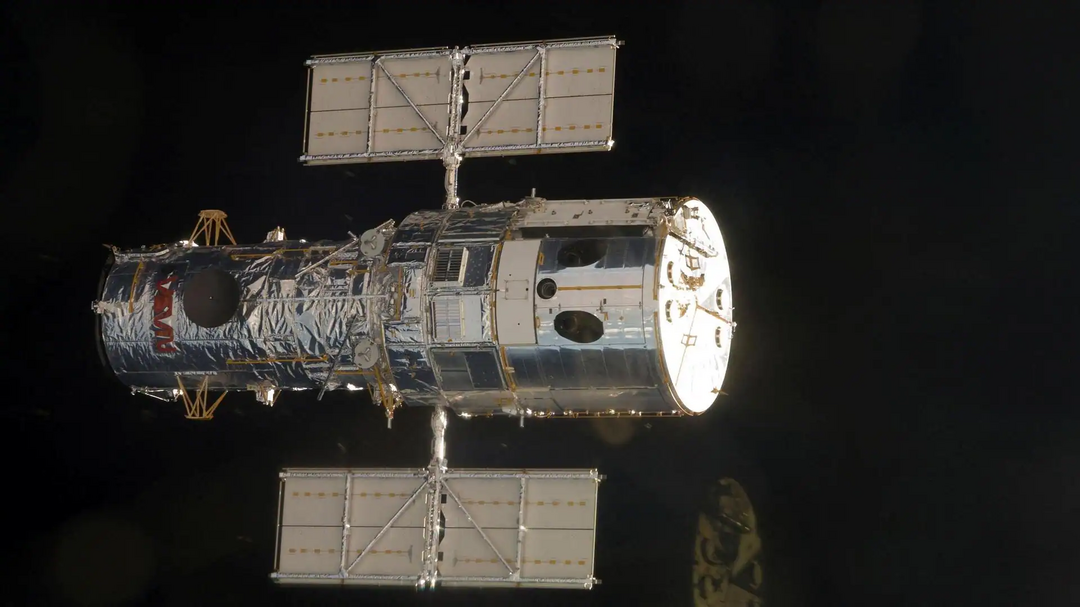
The problem is expected to worsen with the launch of planned megaconstellations, which will add thousands of new satellites to Earth’s orbit. These megaconstellations, such as SpaceX’s Starlink and Amazon’s Kuiper Systems, are designed to provide global internet coverage, but they will also increase the number of satellites in orbit, exacerbating the satellite reflection problem. According to the study, some space telescopes may see more than 96% of exposures affected by satellite reflections, while others, like the Hubble Space Telescope, may face about 40% contamination.
The impact of satellite reflections on space telescope images will be significant, and it’s not just a matter of aesthetics. Astronomical events could be lost when satellite trails cross critical observations, making it impossible to gather valuable data. For example, if a satellite trail passes through the image of a supernova, it could obscure the details of the explosion, making it difficult for scientists to study the event. Similarly, the observation of exoplanets, asteroids, and other small celestial objects could be compromised by satellite reflections, hindering our understanding of the universe.
The study highlights the need for urgent action to mitigate the effects of satellite reflections on space telescope images. One possible solution is to implement strategies to minimize the reflection of sunlight from satellites, such as using materials with low reflectivity or designing satellites with shapes that minimize their reflective surface area. Another approach is to develop algorithms that can remove satellite trails from images, although this may not be possible for all types of observations.
The problem of satellite reflections is not new, and astronomers have been aware of it for some time. However, the scale of the issue is expected to increase dramatically in the coming decade, making it a major concern for the astronomical community. The study emphasizes the need for international cooperation and regulation to address the problem, including the development of standards for satellite design and operation that minimize their impact on space telescope observations.
In conclusion, the next decade may see a significant decline in the quality of space telescope images due to satellite reflections. The problem is real, and it’s not just a matter of minor inconvenience. The contamination of space telescope images by satellite reflections could hinder our understanding of the universe, making it essential to take urgent action to mitigate the effects. As we continue to explore the vast expanse of space, it’s crucial that we take steps to preserve the quality of our observations, ensuring that we can continue to uncover the secrets of the universe.
About the Author