Why most space telescope images could be blurry in next decade?
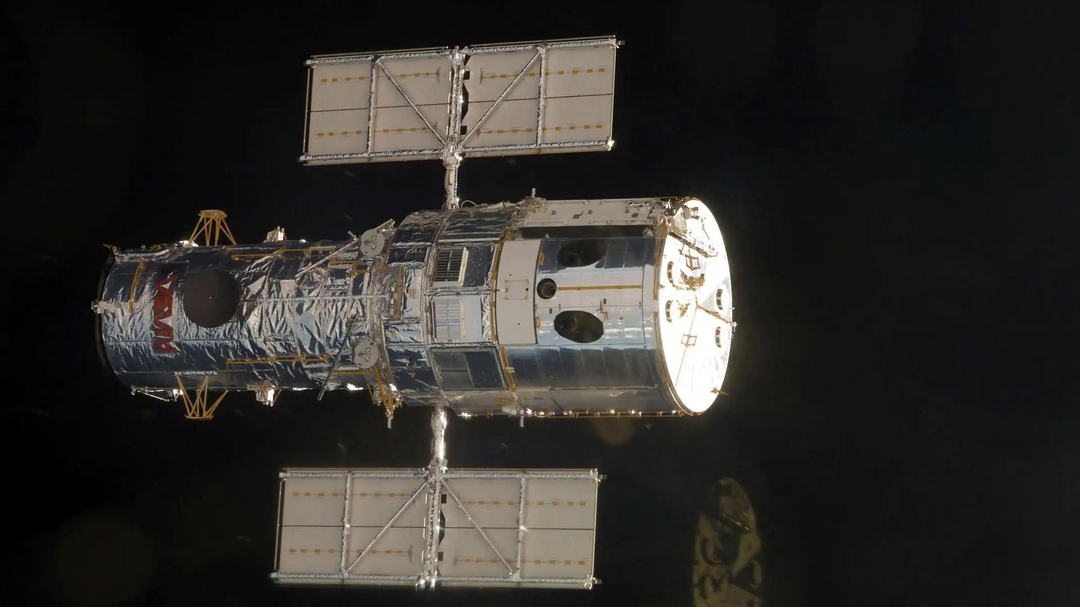
The advent of space telescopes has revolutionized the field of astronomy, allowing us to study the universe in unprecedented detail. From the Hubble Space Telescope to the latest generation of telescopes like the James Webb Space Telescope, these instruments have enabled us to make groundbreaking discoveries about the cosmos. However, a recent NASA-linked study has raised concerns that the images captured by these telescopes could be severely affected by satellite reflections in the coming decade.
The study warns that the growing number of satellites in Earth’s orbit could contaminate many space-telescope images, making it difficult for astronomers to obtain clear and accurate data. The problem is expected to worsen with the launch of planned megaconstellations, which could lead to a significant increase in the number of satellites in orbit. According to the researchers, some telescopes may see more than 96% of exposures affected by satellite trails, while others, like the Hubble Space Telescope, could face about 40% contamination.
The issue arises when the reflective surfaces of satellites, such as solar panels and antennas, reflect sunlight towards the telescopes, creating bright streaks or trails in the images. These trails can be particularly problematic when they cross critical observations, such as the detection of faint astronomical objects or the study of transient events like supernovae or gamma-ray bursts. In such cases, the satellite trails could effectively “ruin” the observations, making it impossible for astronomers to extract meaningful data from the images.
The impact of satellite reflections on space-telescope images is not a new concern. Astronomers have been aware of the problem for several years, and some have already taken steps to mitigate its effects. For example, the Hubble Space Telescope has a built-in system to detect and remove satellite trails from its images. However, the growing number of satellites in orbit is expected to overwhelm these mitigation strategies, making it increasingly difficult to obtain high-quality images.
The planned megaconstellations, which will consist of thousands of satellites in low-Earth orbit, are expected to exacerbate the problem. These constellations are designed to provide global internet coverage, but they will also significantly increase the number of satellites in orbit. According to the study, the launch of these megaconstellations could lead to a more than 50-fold increase in the number of satellites in orbit, resulting in a corresponding increase in the number of satellite trails in space-telescope images.
The consequences of satellite reflections on space-telescope images are far-reaching. Astronomers rely on high-quality images to make precise measurements and discoveries about the universe. If a significant fraction of these images is contaminated by satellite trails, it could lead to a loss of valuable scientific data and potentially even delay or prevent new discoveries. Furthermore, the problem could also affect the ability of astronomers to monitor and study transient events, which are often brief and unpredictable.
To mitigate the effects of satellite reflections, astronomers and satellite operators will need to work together to develop strategies for reducing the impact of satellite trails on space-telescope images. This could involve coordinating the orbits of satellites to minimize the number of trails that cross the fields of view of telescopes, or developing new technologies to detect and remove satellite trails from images. Additionally, astronomers may need to adapt their observing strategies to avoid periods when satellite trails are most likely to occur.
In conclusion, the growing number of satellites in Earth’s orbit poses a significant threat to the quality of space-telescope images. The planned launch of megaconstellations could exacerbate the problem, leading to a significant increase in the number of satellite trails in images. Astronomers and satellite operators must work together to develop strategies for mitigating the effects of satellite reflections and ensuring that the next generation of space telescopes can continue to make groundbreaking discoveries about the universe.
News Source: https://www.newsbytesapp.com/news/science/satellite-reflections-could-ruin-over-95-of-space-telescope-images/story
About the Author