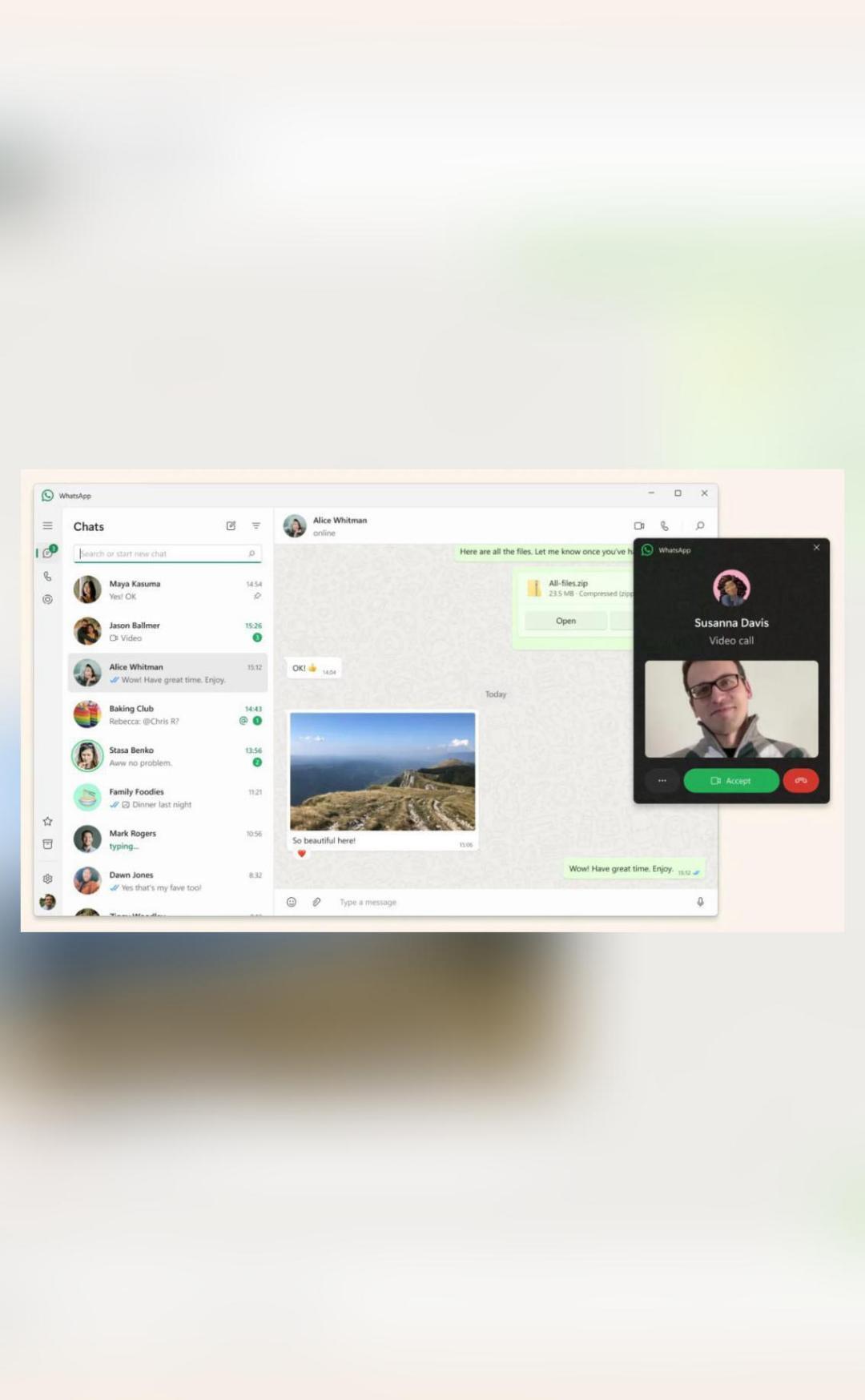
WhatsApp Web to log Indian users out every 6 hours after new govt rules
The Indian government has introduced a new directive that is set to change the way we use messaging platforms like WhatsApp on our computers. As per the Department of Telecommunications (DoT), all Over-The-Top (OTT) messaging platforms, including WhatsApp, will be required to implement a SIM binding feature to combat the rising incidence of digital fraud. This means that users in India will no longer be able to use WhatsApp Web and other messaging platforms’ web services uninterrupted. Instead, they will be logged out every six hours, forcing them to re-authenticate their accounts.
The government’s directive is aimed at preventing fraudsters from using messaging platforms to cheat innocent people. With the SIM binding feature, users will be required to link their mobile number to their messaging account, making it more difficult for scammers to create fake accounts. The move is expected to reduce the incidence of phishing, spamming, and other types of digital fraud that have become increasingly common in recent years.
So, how will this new rule affect WhatsApp users in India? For starters, users will need to re-authenticate their WhatsApp Web account every six hours. This means that if you are using WhatsApp Web on your computer, you will be logged out automatically after six hours, and you will need to scan a QR code on your phone to log back in. This may seem like a minor inconvenience, but it could be frustrating for users who rely on WhatsApp Web for work or other purposes.
The new rule will also apply to other OTT messaging platforms, including Facebook Messenger, Telegram, and Signal. All these platforms will be required to ensure compliance with the directive within 90 days. This means that users can expect to see changes in the way they use these platforms over the next few months.
The government’s move to introduce SIM binding is part of a broader effort to regulate the use of OTT messaging platforms in India. The government has been concerned about the lack of transparency and accountability in these platforms, which have been used by scammers and other malicious actors to cheat innocent people. By introducing SIM binding, the government hopes to make it more difficult for scammers to create fake accounts and use these platforms for nefarious purposes.
The impact of this new rule will be felt not just by individual users but also by businesses that rely on WhatsApp and other messaging platforms for customer communication. Many businesses use WhatsApp Web to communicate with customers, provide customer support, and even make sales. With the new rule, these businesses will need to find alternative ways to communicate with customers or adapt to the new authentication requirements.
While the government’s move to introduce SIM binding is aimed at preventing digital fraud, it also raises concerns about user privacy and freedom of speech. Some critics argue that the move could be used to monitor and control online activity, which could have a chilling effect on free speech and online expression. Others argue that the move could disproportionately affect marginalized communities that rely on messaging platforms for communication and access to information.
In conclusion, the new government rule requiring WhatsApp and other messaging platforms to log out Indian users every six hours is a significant development that will affect the way we use these platforms. While the move is aimed at preventing digital fraud, it also raises concerns about user privacy and freedom of speech. As the government continues to regulate the use of OTT messaging platforms, it will be important to strike a balance between security and individual freedoms.
About the Author