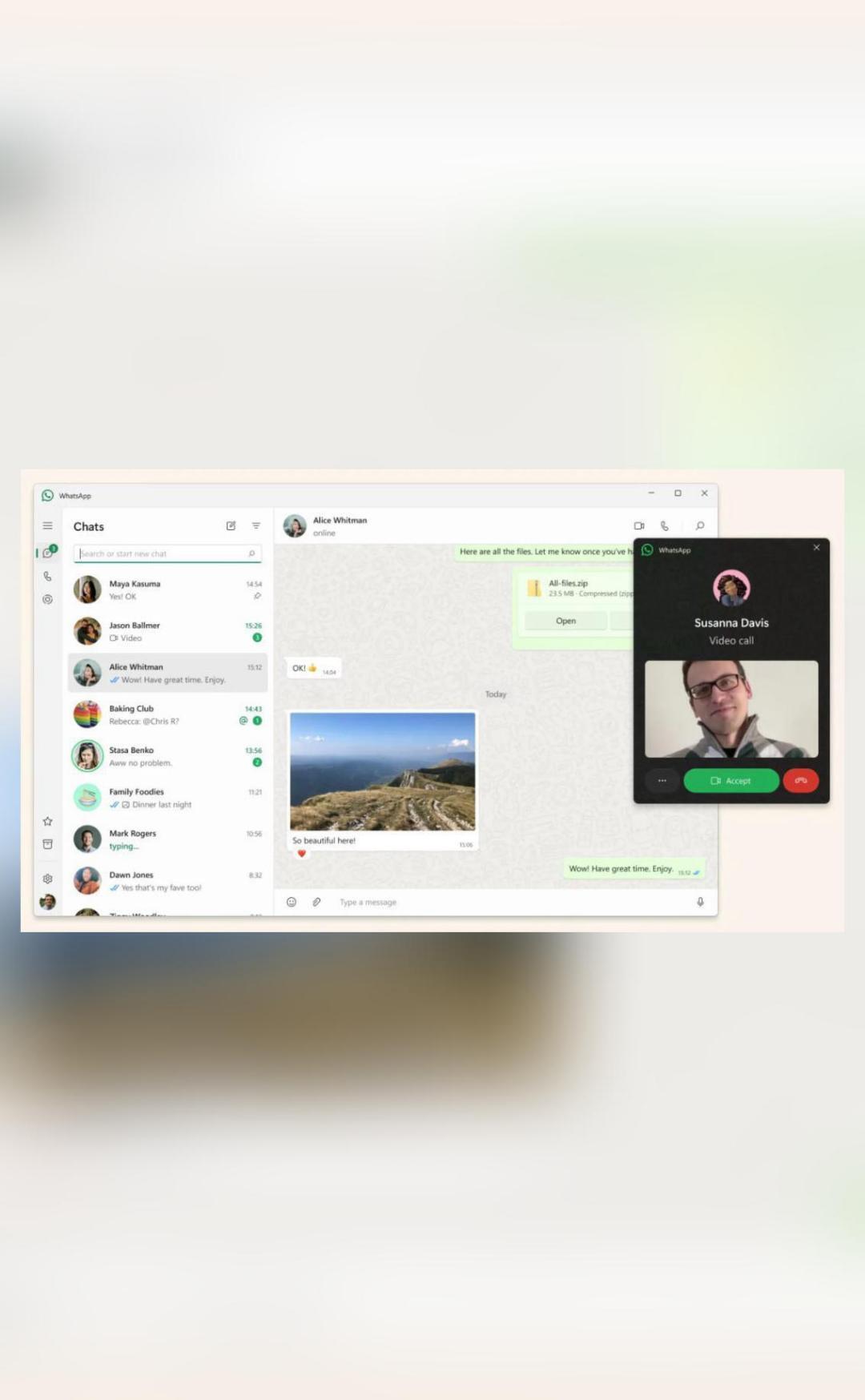
WhatsApp Web to log Indian users out every 6 hours after new govt rules
In a bid to combat the rising instances of digital fraud, the Department of Telecommunications (DoT) has introduced a new mandate that will affect the way Indians use messaging platforms like WhatsApp on their computers. As per the new rules, WhatsApp Web and other Over-the-Top (OTT) messaging platforms will not be available uninterrupted to users in India. Instead, users are likely to be logged out every six hours, as per the government directive.
This move is part of the government’s efforts to curb digital fraud, which has been on the rise in recent years. The DoT has mandated SIM binding for OTT messaging platforms, which means that these platforms will have to verify the user’s phone number and SIM card details to provide services. This verification process will be done periodically, and users will be logged out of the web version of these platforms after a certain period.
The frequency of logouts has been set at every six hours, which means that users will have to log back in to their WhatsApp Web account every six hours to continue using the service. This may cause some inconvenience to users who are used to accessing WhatsApp on their computers without any interruptions. However, the government believes that this measure is necessary to prevent digital fraud and ensure the safety and security of users.
The new rules are applicable to all OTT messaging platforms, including WhatsApp, Facebook Messenger, and Signal, among others. These platforms have been given 90 days to comply with the new directive, which means that they will have to implement the SIM binding feature and periodic logouts within the next three months.
The move has been welcomed by cybersecurity experts, who believe that it will help to prevent digital fraud and protect users from phishing and other online scams. However, some users may find it inconvenient to log in to their WhatsApp Web account every six hours. To avoid this, users can consider using the mobile app version of WhatsApp, which will not be affected by the new rules.
It is worth noting that the new rules are part of a larger effort by the government to regulate OTT messaging platforms and prevent digital fraud. The government has been concerned about the rise of digital fraud, which has been facilitated by the anonymity and ease of use of OTT messaging platforms. By introducing SIM binding and periodic logouts, the government hopes to make it more difficult for fraudsters to use these platforms for malicious activities.
In addition to the new rules, the government is also planning to introduce other measures to regulate OTT messaging platforms. These measures may include requirements for platforms to store user data in India, as well as stricter norms for data protection and privacy. The government is also considering introducing a new regulatory framework for OTT messaging platforms, which will provide clearer guidelines on their use and operation.
Overall, the new rules for WhatsApp Web and other OTT messaging platforms are part of a larger effort by the government to regulate the use of these platforms and prevent digital fraud. While the rules may cause some inconvenience to users, they are necessary to ensure the safety and security of users and to prevent malicious activities.
As the use of OTT messaging platforms continues to grow in India, it is likely that the government will introduce more regulations to govern their use. Users should be aware of these regulations and take steps to protect themselves from digital fraud. This may include being cautious when clicking on links or responding to messages from unknown numbers, as well as using strong passwords and enabling two-factor authentication.
In conclusion, the new rules for WhatsApp Web and other OTT messaging platforms are an important step towards regulating the use of these platforms and preventing digital fraud. While they may cause some inconvenience to users, they are necessary to ensure the safety and security of users and to prevent malicious activities. Users should be aware of these rules and take steps to protect themselves from digital fraud.
About the Author