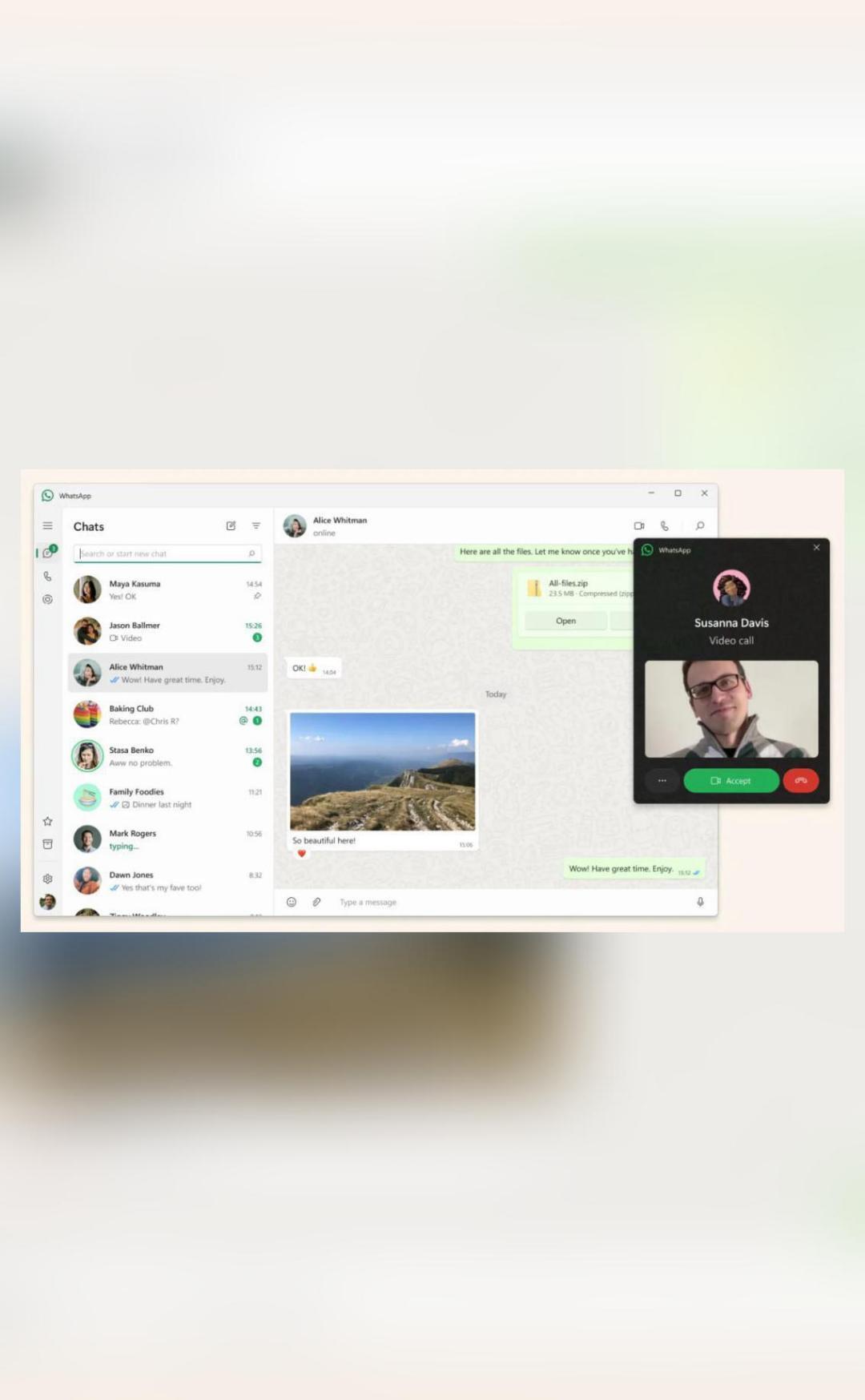
WhatsApp Web to log Indian users out every 6 hours after new govt rules
The Indian government has introduced a new directive that is set to disrupt the way users access WhatsApp and other messaging platforms on their computers. As per the Department of Telecommunications (DoT), OTT messaging platforms will be required to implement a SIM binding feature to combat the rising instances of digital fraud. This move will result in users being logged out of WhatsApp Web and other similar services every six hours.
The directive is part of the government’s efforts to curb digital fraud, which has been on the rise in recent years. With the increasing use of online platforms for various transactions, the risk of fraud has also increased. The government believes that by implementing SIM binding, it can reduce the instances of digital fraud and make online transactions more secure.
So, how will this new directive affect users? For starters, users will no longer be able to access WhatsApp Web and other similar services uninterrupted. Every six hours, users will be automatically logged out of the service, and they will have to log back in using their mobile device. This may seem like a minor inconvenience, but it can be frustrating for users who rely heavily on these services for their work or personal communication.
The SIM binding feature will require users to verify their mobile number and SIM card details to access WhatsApp Web and other similar services. This will help to ensure that the user is genuine and not a fraudster. The government believes that this move will help to reduce the instances of digital fraud, which has been a major concern in recent years.
The directive has been issued to all OTT messaging platforms, including WhatsApp, Facebook Messenger, and Google Messages. These platforms will be required to ensure compliance with the directive within 90 days. This means that users can expect to see changes in the way they access these services on their computers within the next few months.
The move has been welcomed by experts, who believe that it will help to reduce the instances of digital fraud. “The SIM binding feature is a good move by the government to combat digital fraud,” said an expert. “It will help to ensure that users are genuine and not fraudsters. However, it may cause some inconvenience to users, who will have to log in every six hours.”
However, not everyone is happy with the move. Some users have expressed concern that the new directive will cause inconvenience and disrupt their work. “I use WhatsApp Web for my work, and I am logged in for most of the day,” said a user. “The new directive will require me to log out every six hours, which will be frustrating. I hope that the government can find a better solution to combat digital fraud.”
The government has said that the move is necessary to combat digital fraud, which has been on the rise in recent years. “The SIM binding feature is a necessary move to combat digital fraud,” said a government official. “We believe that it will help to reduce the instances of digital fraud and make online transactions more secure. We understand that it may cause some inconvenience to users, but we believe that it is a necessary step to ensure the security of online transactions.”
In conclusion, the new directive issued by the Department of Telecommunications (DoT) will require WhatsApp and other messaging platforms to log Indian users out every six hours. The move is aimed at combating digital fraud, which has been on the rise in recent years. While the move may cause some inconvenience to users, it is a necessary step to ensure the security of online transactions. Users can expect to see changes in the way they access these services on their computers within the next few months.
The government’s efforts to combat digital fraud are commendable, and the SIM binding feature is a good move in this direction. However, it is also important to ensure that the move does not cause undue inconvenience to users. The government should work with OTT messaging platforms to find a solution that balances the need to combat digital fraud with the need to ensure convenience for users.
As the deadline for compliance approaches, users can expect to see changes in the way they access WhatsApp Web and other similar services. It will be interesting to see how the OTT messaging platforms implement the SIM binding feature and how users respond to the changes.
For now, users will have to wait and see how the new directive is implemented. One thing is certain, however – the way we access WhatsApp Web and other similar services is set to change. Whether the change is for the better or worse remains to be seen.
About the Author