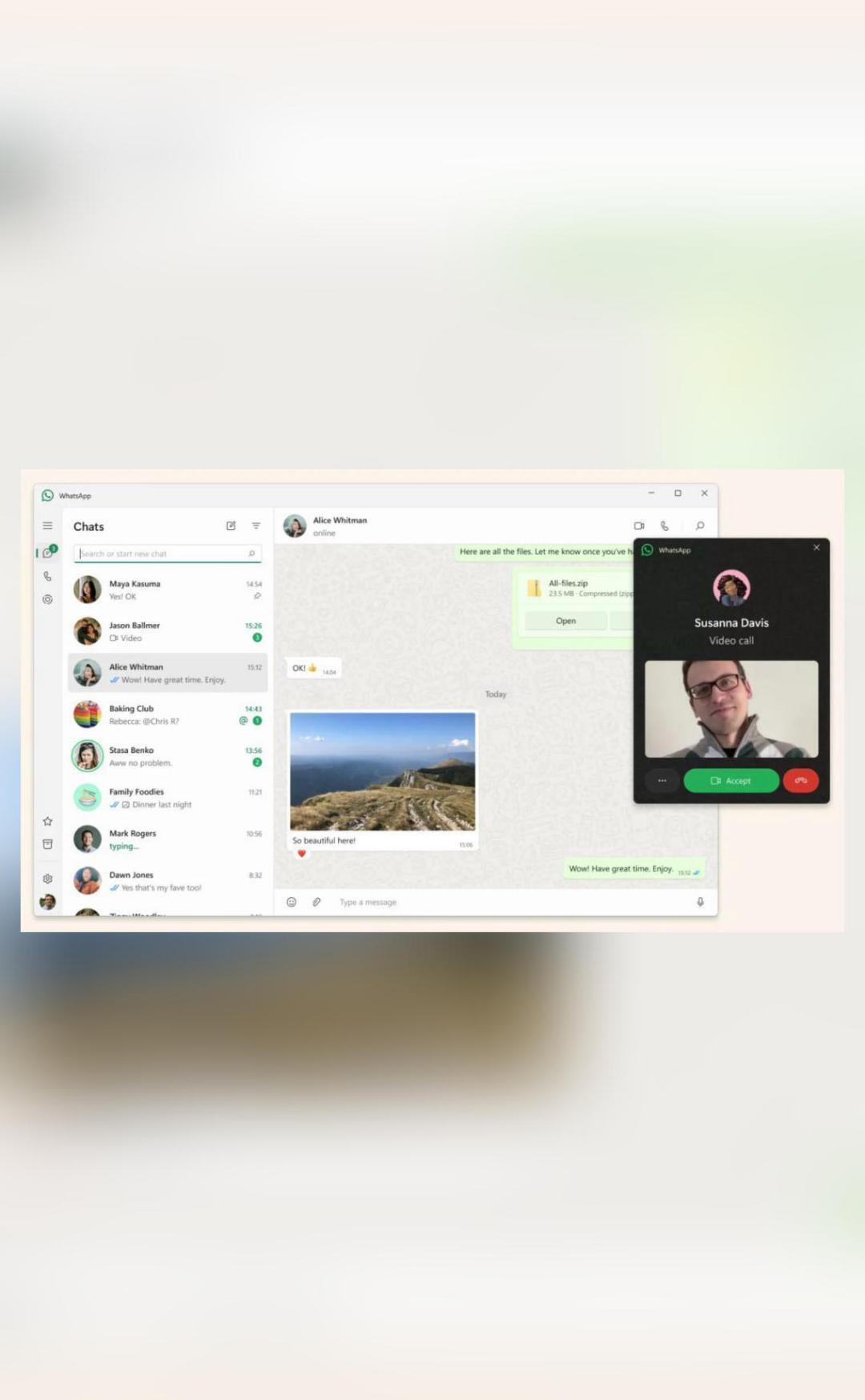
WhatsApp Web to log Indian users out every 6 hours after new govt rules
The Indian government has introduced a new set of rules to combat the rising cases of digital fraud in the country. As part of these rules, the Department of Telecommunications (DoT) has mandated SIM binding for messaging platforms, which will affect the way users access WhatsApp Web and other Over-The-Top (OTT) messaging platforms. According to the new directive, users will be logged out of their accounts every six hours, marking a significant change in the way these services are used in India.
The new rules are aimed at preventing fraudsters from using messaging platforms to carry out their nefarious activities. The government has been concerned about the increasing number of cases of digital fraud, including phishing, identity theft, and financial scams, which are often perpetrated through messaging platforms. By introducing SIM binding, the government hopes to make it more difficult for fraudsters to use these platforms to carry out their activities.
So, how will the new rules affect WhatsApp Web users in India? Currently, users can access WhatsApp Web on their computers or laptops by scanning a QR code on the WhatsApp website. This allows them to use the messaging platform on their desktop devices without having to use their mobile phones. However, with the new rules, users will be required to re-authenticate their accounts every six hours by scanning the QR code again. This means that users will be logged out of their accounts every six hours, and they will have to go through the authentication process again to continue using the service.
The new rules will not only affect WhatsApp Web but also other OTT messaging platforms, such as Facebook Messenger, Telegram, and Signal. All these platforms will be required to ensure compliance with the directive within 90 days. This means that users of these platforms will also face similar interruptions in service, with their accounts being logged out every six hours.
The introduction of SIM binding is seen as a significant step towards combating digital fraud in India. The government has been working to strengthen the country’s cybersecurity framework, and the new rules are part of these efforts. By making it more difficult for fraudsters to use messaging platforms, the government hopes to reduce the number of cases of digital fraud and make the online environment safer for users.
However, the new rules may also cause some inconvenience to users, particularly those who use messaging platforms for work or other purposes that require continuous access. For example, businesses that use WhatsApp Web to communicate with customers or colleagues may find it frustrating to have to re-authenticate their accounts every six hours. Similarly, individuals who use messaging platforms to stay in touch with friends and family may find it annoying to have to log in again every few hours.
Despite these potential drawbacks, the new rules are seen as a necessary step towards improving cybersecurity in India. The government has been under pressure to take action against digital fraud, and the introduction of SIM binding is a significant move in this direction. By making it more difficult for fraudsters to use messaging platforms, the government hopes to create a safer online environment for all users.
In conclusion, the new rules introduced by the DoT will require WhatsApp Web and other OTT messaging platforms to log Indian users out every six hours. While this may cause some inconvenience to users, it is seen as a necessary step towards combating digital fraud in India. The government has been working to strengthen the country’s cybersecurity framework, and the introduction of SIM binding is a significant part of these efforts. As the rules come into effect, users will have to get used to re-authenticating their accounts every six hours, but the benefits of improved cybersecurity will be worth the inconvenience.
About the Author