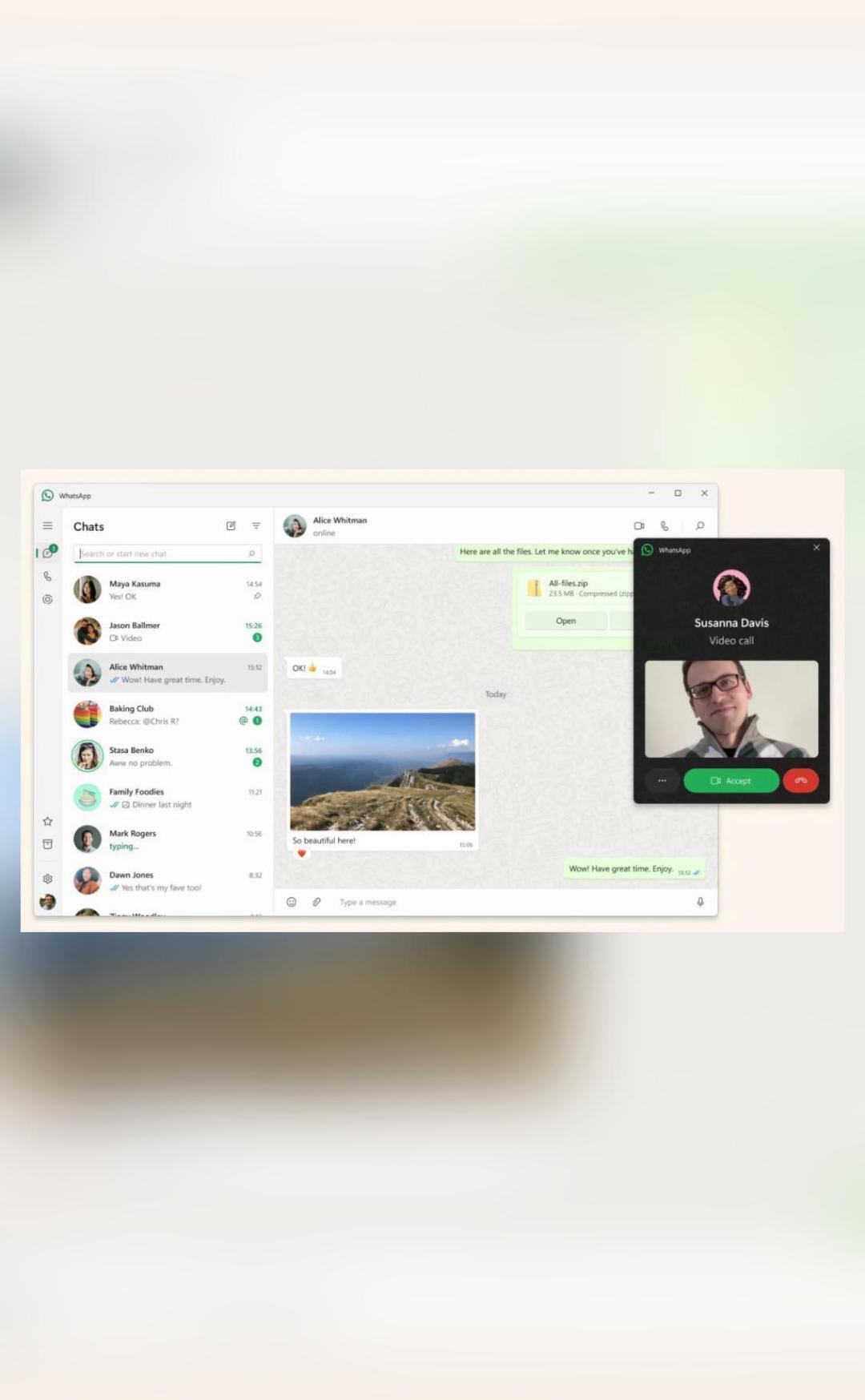
WhatsApp Web to log Indian users out every 6 hours after new govt rules
The Indian government has introduced a new set of rules to combat rising digital fraud, and this move is likely to impact the way Indians use WhatsApp and other messaging platforms. As per the new directive from the Department of Telecommunications (DoT), WhatsApp and other Over-The-Top (OTT) messaging platforms will be required to implement SIM binding for their web services. This means that users will not be able to use WhatsApp Web and other similar services uninterrupted, as they will be logged out every six hours.
The new rule is aimed at preventing digital fraud, which has been on the rise in India. The government believes that by implementing SIM binding, it can reduce the incidence of fraud and make it easier to track down perpetrators. However, this move is likely to cause inconvenience to users who are accustomed to using WhatsApp Web and other similar services without interruption.
What is SIM binding?
SIM binding is a process that links a user’s phone number to their SIM card. This means that when a user tries to access WhatsApp Web or other similar services, the platform will verify their phone number and SIM card details before allowing them to log in. If the details do not match, the user will not be able to access the service.
How will SIM binding affect WhatsApp Web users?
The implementation of SIM binding will require WhatsApp and other OTT messaging platforms to log out users every six hours. This means that users will have to re-verify their phone number and SIM card details every six hours to continue using the service. This is likely to cause inconvenience to users who are used to accessing WhatsApp Web and other similar services without interruption.
Why has the government introduced this rule?
The government has introduced this rule to combat rising digital fraud. Digital fraud has been on the rise in India, and the government believes that by implementing SIM binding, it can reduce the incidence of fraud and make it easier to track down perpetrators. The government also believes that SIM binding will help to prevent the use of fake phone numbers and SIM cards, which are often used to commit fraud.
What are the implications of this rule?
The implementation of SIM binding is likely to have significant implications for WhatsApp and other OTT messaging platforms. These platforms will have to invest in new technology and infrastructure to implement SIM binding, which could be a costly and time-consuming process. The rule is also likely to cause inconvenience to users, who will have to re-verify their phone number and SIM card details every six hours.
What do the new rules mean for users?
The new rules mean that users will have to be more careful when using WhatsApp Web and other similar services. Users will have to ensure that their phone number and SIM card details are up to date and accurate, and they will have to re-verify these details every six hours. Users will also have to be aware of the risk of digital fraud and take steps to protect themselves, such as being cautious when clicking on links or responding to messages from unknown numbers.
Timeline for implementation
The government has given OTT messaging platforms 90 days to implement SIM binding. This means that WhatsApp and other platforms will have to comply with the new rule within the next three months. The government has stated that it will monitor the implementation of the rule and take action against any platform that fails to comply.
Conclusion
The introduction of SIM binding for WhatsApp Web and other OTT messaging platforms is a significant move by the Indian government to combat rising digital fraud. While the rule is likely to cause inconvenience to users, it is also likely to reduce the incidence of fraud and make it easier to track down perpetrators. As the rule is implemented, users will have to be more careful when using WhatsApp Web and other similar services, and they will have to take steps to protect themselves from digital fraud.
About the Author