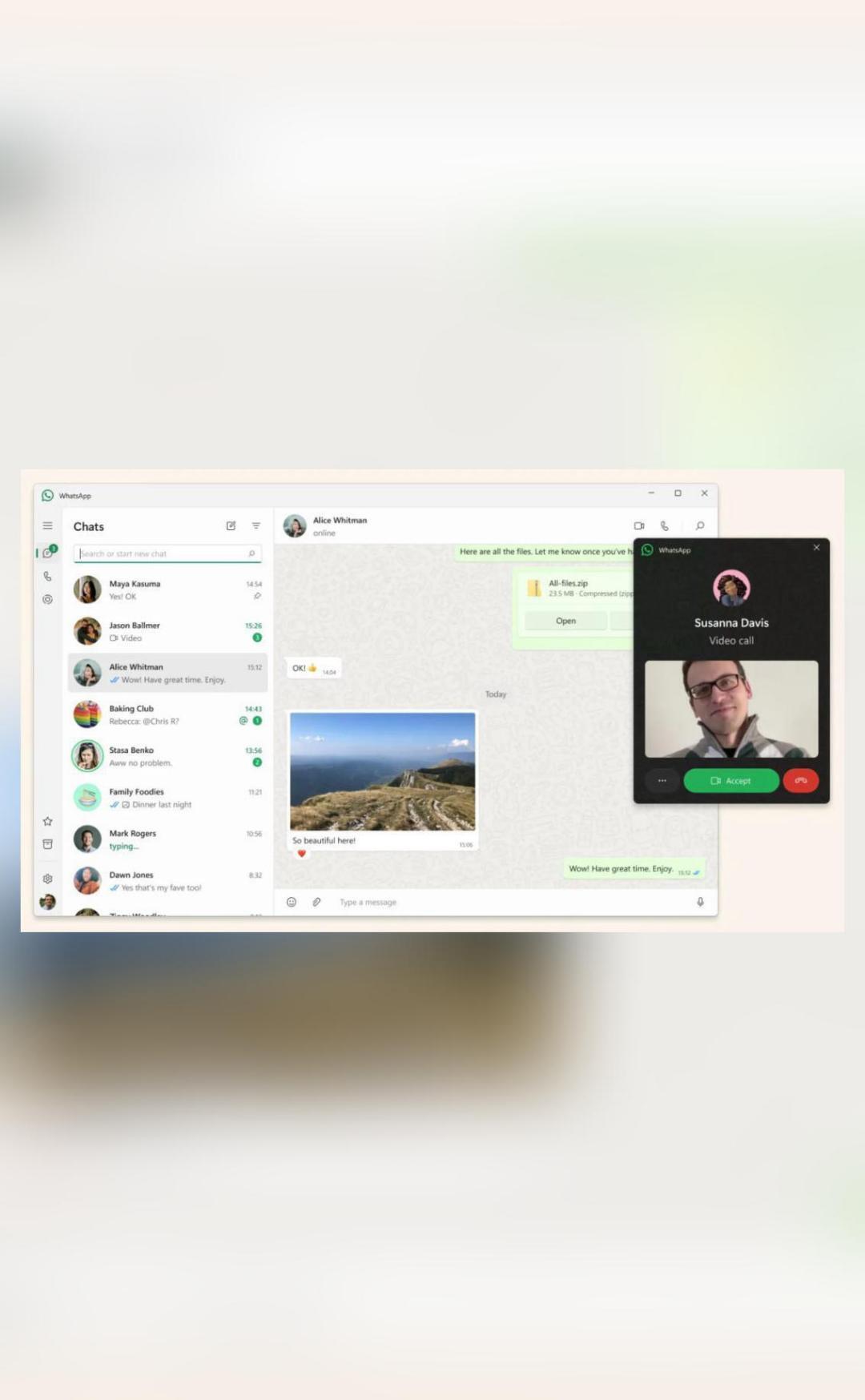
WhatsApp Web to log Indian users out every 6 hours after new govt rules
In a move to combat rising digital fraud, the Department of Telecommunications (DoT) has mandated SIM binding for WhatsApp and other messaging platforms’ web services in India. As a result, users will no longer be able to access these services uninterrupted, and will instead be logged out every six hours. This directive is part of a broader effort by the Indian government to enhance security and prevent online scams.
The new rules, which were announced recently, require Over-The-Top (OTT) messaging platforms to ensure compliance within 90 days. This means that WhatsApp, as well as other popular messaging apps, will need to implement the necessary changes to their web services to adhere to the new regulations. The move is expected to have a significant impact on the way Indians use these services, and may require users to adapt to a new way of accessing their online accounts.
The SIM binding requirement is aimed at preventing digital fraud by linking a user’s phone number to their online account. This will make it more difficult for scammers to create fake accounts and use them to deceive unsuspecting victims. The government has been concerned about the rising incidence of online scams, which have resulted in significant financial losses for many Indians. By implementing SIM binding, the government hopes to reduce the incidence of such scams and make online transactions more secure.
The new rules will affect not just WhatsApp, but all OTT messaging platforms that offer web services in India. This includes popular apps like Facebook Messenger, Signal, and Telegram, among others. All of these platforms will need to comply with the new regulations and implement the necessary changes to their web services.
So, how will the new rules affect users? For starters, users will need to log in to their accounts every six hours to continue using the web services. This means that users will no longer be able to leave their accounts open for extended periods, and will instead need to re-authenticate themselves regularly. This may be inconvenient for some users, but it is a necessary step to enhance security and prevent online scams.
The new rules will also require users to verify their phone numbers in order to access the web services. This will help to prevent scammers from creating fake accounts and using them to deceive others. Users will need to enter a verification code sent to their phone number in order to access their accounts, which will add an extra layer of security to the login process.
The implementation of the new rules is expected to be a complex process, and may require significant changes to the way OTT messaging platforms operate in India. The platforms will need to work with telecom operators to implement SIM binding, which will require significant technical expertise and resources. However, the end result will be a more secure online environment, where users can feel confident that their accounts are protected from scammers and other malicious actors.
In conclusion, the new rules announced by the DoT are an important step in enhancing online security and preventing digital fraud in India. While the changes may require some adjustments from users, they are necessary to prevent online scams and protect users’ accounts. By implementing SIM binding and requiring users to log in every six hours, the government is taking a proactive approach to combating digital fraud and making online transactions more secure.
As the OTT messaging platforms work to implement the new rules, users can expect to see significant changes to the way they access their online accounts. While it may take some time to get used to the new system, the end result will be a more secure online environment that protects users from scammers and other malicious actors. For now, users can expect to be logged out of their accounts every six hours, and will need to log in again to continue using the web services.
About the Author