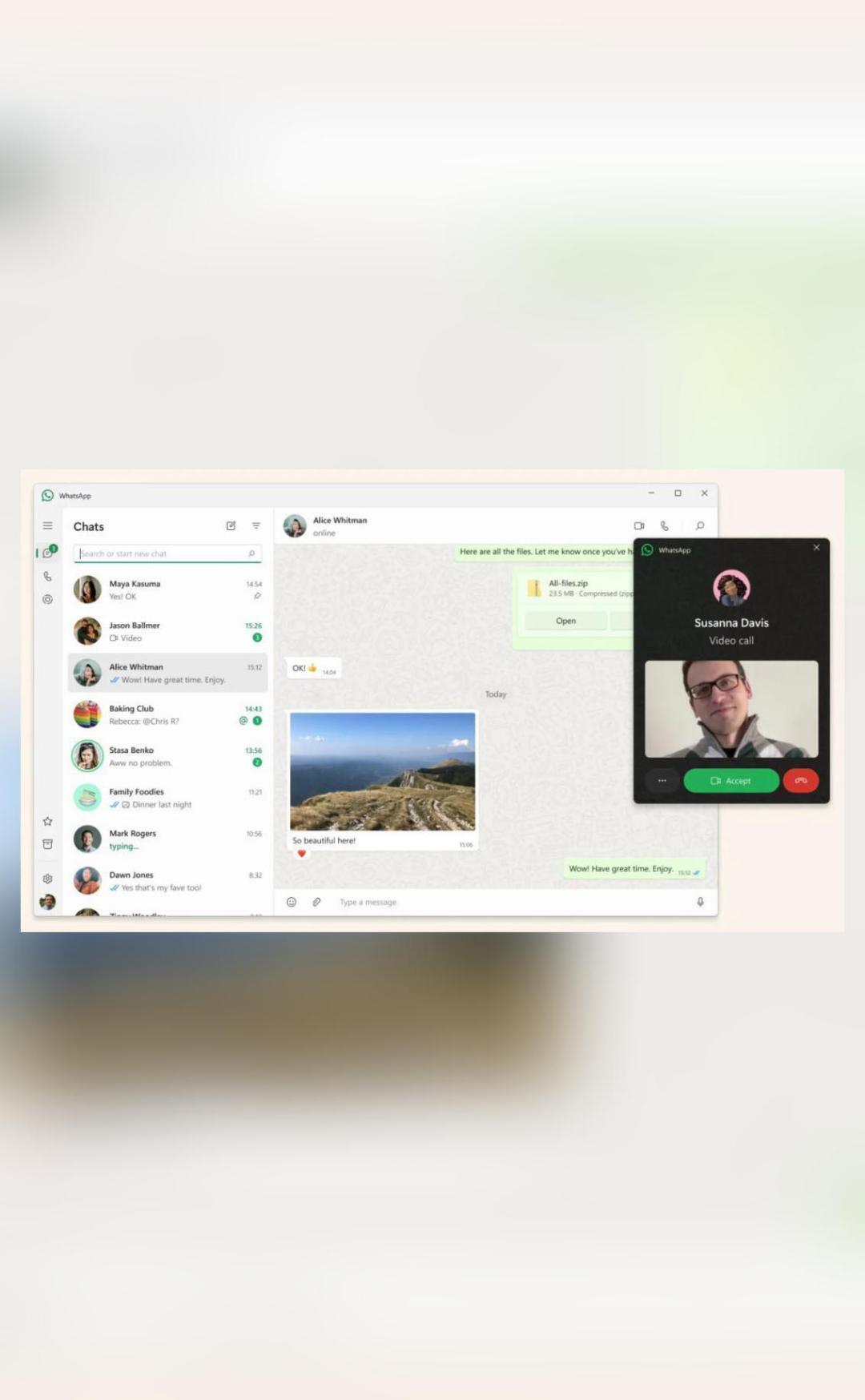
WhatsApp Web to log Indian users out every 6 hours after new govt rules
In a bid to combat the rising instances of digital fraud in the country, the Department of Telecommunications (DoT) has mandated SIM binding for messaging platforms, including WhatsApp. This move is expected to have a significant impact on the way users access their favorite messaging apps, particularly on the web. As per the new directive, users in India will be logged out of WhatsApp Web and other OTT messaging platforms every six hours.
The decision to introduce this new measure is aimed at preventing instances of digital fraud, which have been on the rise in recent years. With the increasing use of online services, fraudsters have found new ways to exploit unsuspecting users, resulting in significant financial losses. The government has been under pressure to take concrete steps to address this issue, and the new directive is seen as a step in the right direction.
What is SIM binding, and how will it work?
SIM binding refers to the process of linking a user’s mobile number to their messaging app account. This ensures that only the registered mobile number can be used to access the account, making it more difficult for fraudsters to gain unauthorized access. The DoT has mandated that all OTT messaging platforms, including WhatsApp, implement SIM binding to prevent digital fraud.
When a user tries to access WhatsApp Web or any other messaging platform, they will be required to verify their mobile number. This can be done through a one-time password (OTP) sent to the registered mobile number. Once the user verifies their mobile number, they will be able to access their account on the web. However, this access will be limited to six hours, after which the user will be automatically logged out.
Impact on users
The new directive is likely to cause some inconvenience to users, particularly those who use WhatsApp Web or other messaging platforms for extended periods. Users will need to re-verify their mobile number every six hours to continue using the service. This may be frustrating for some users, especially those who are used to accessing their accounts on the web without any interruptions.
However, it’s essential to note that the new measure is aimed at preventing digital fraud and ensuring user safety. The six-hour time frame has been chosen to strike a balance between user convenience and security. While it may cause some inconvenience, it’s a small price to pay for the added security and peace of mind that comes with knowing that your account is more secure.
Compliance timeline
The DoT has given OTT messaging platforms, including WhatsApp, 90 days to comply with the new directive. This means that users can expect to see changes in the way they access their accounts on the web within the next three months. The government has made it clear that non-compliance will not be tolerated, and platforms that fail to implement SIM binding will face consequences.
Other measures to combat digital fraud
The introduction of SIM binding is just one of the many measures being taken by the government to combat digital fraud. Other measures include the establishment of a dedicated cybercrime portal, where users can report instances of online fraud. The government is also working with banks and financial institutions to implement more robust security measures to prevent online transactions from being compromised.
Conclusion
The new directive mandating SIM binding for messaging platforms is a significant step towards combating digital fraud in India. While it may cause some inconvenience to users, it’s essential to prioritize user safety and security. The six-hour log-out period may seem like a minor annoyance, but it’s a small price to pay for the added security and peace of mind that comes with knowing that your account is more secure.
As the government continues to work towards creating a safer online environment, users must also take steps to protect themselves from digital fraud. This includes being cautious when clicking on links or providing personal information online, as well as keeping their devices and software up to date with the latest security patches.
For more information on this topic, please visit: https://indianexpress.com/article/explained/explained-sci-tech/whatsapp-web-automatic-log-out-six-hourse-reason-10394142/lite/
About the Author