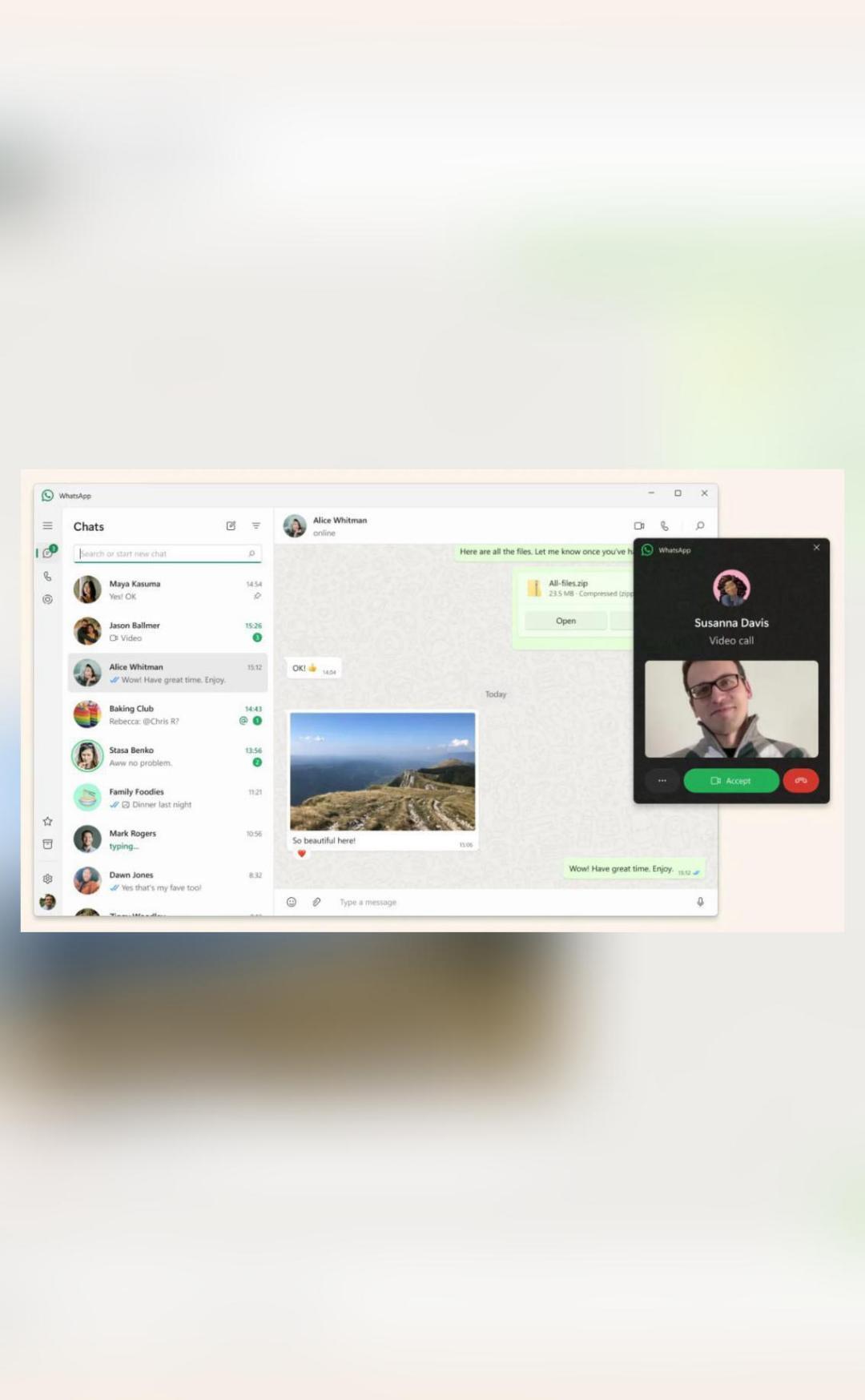
WhatsApp Web to log Indian users out every 6 hours after new govt rules
The Indian government has introduced a new mandate that will affect the way users in India access WhatsApp and other messaging platforms on the web. According to a recent directive by the Department of Telecommunications (DoT), users will be logged out of their accounts every six hours due to a new SIM binding requirement. This move aims to combat the rising incidence of digital fraud in the country.
The new rule requires Over-the-Top (OTT) messaging platforms, such as WhatsApp, to ensure that users’ web services are linked to their mobile numbers. This means that users will have to re-verify their accounts every six hours to continue using the web version of these services. The directive is intended to reduce the risk of fraudulent activities, such as phishing and spamming, which often originate from unverified accounts.
The SIM binding requirement is part of a broader effort by the Indian government to enhance digital security and prevent online fraud. The government has been concerned about the growing number of cybercrime cases, which have resulted in significant financial losses for individuals and businesses. By linking web services to mobile numbers, the government hopes to create an additional layer of security and make it more difficult for scammers to operate.
The impact of this new rule will be felt by millions of Indians who use WhatsApp and other messaging platforms on their computers or laptops. Many users rely on these services for both personal and professional purposes, and the frequent logouts may cause inconvenience and disruption. However, the government believes that the benefits of enhanced security outweigh the potential drawbacks.
The directive also requires OTT messaging platforms to ensure compliance with the new rule within 90 days. This means that companies like WhatsApp, Facebook, and Google will have to modify their systems to incorporate the SIM binding feature and implement the automatic logout mechanism. The platforms will also have to provide users with clear instructions on how to re-verify their accounts and continue using the web services.
The Indian government’s move to introduce SIM binding for OTT messaging platforms is not unprecedented. Other countries, such as China and Russia, have already implemented similar measures to combat digital fraud and enhance national security. However, the impact of this rule on users and businesses in India is likely to be significant, and it will be interesting to see how the industry responds to the new directive.
In recent years, India has witnessed a surge in digital transactions and online activities, driven by the growing penetration of smartphones and the internet. While this has created new opportunities for economic growth and development, it has also increased the risk of cybercrime and online fraud. The government’s efforts to enhance digital security and prevent online fraud are therefore welcome, but they must be balanced with the need to protect user privacy and freedom of expression.
The new SIM binding requirement for OTT messaging platforms is a significant development in the Indian government’s efforts to regulate the digital landscape. While it may cause some inconvenience to users, it is likely to enhance digital security and reduce the risk of online fraud. As the industry adapts to the new rule, it will be important to monitor its impact on users and businesses and to ensure that it does not unduly restrict the freedom of expression and online activities.
In conclusion, the new government rule requiring WhatsApp and other messaging platforms to log out Indian users every six hours is a significant development in the country’s efforts to combat digital fraud. While it may cause some inconvenience to users, it is likely to enhance digital security and reduce the risk of online fraud. As the industry adapts to the new rule, it will be important to monitor its impact and ensure that it does not unduly restrict the freedom of expression and online activities.
About the Author