We need to move beyond AI slop debates: Microsoft CEO Nadella
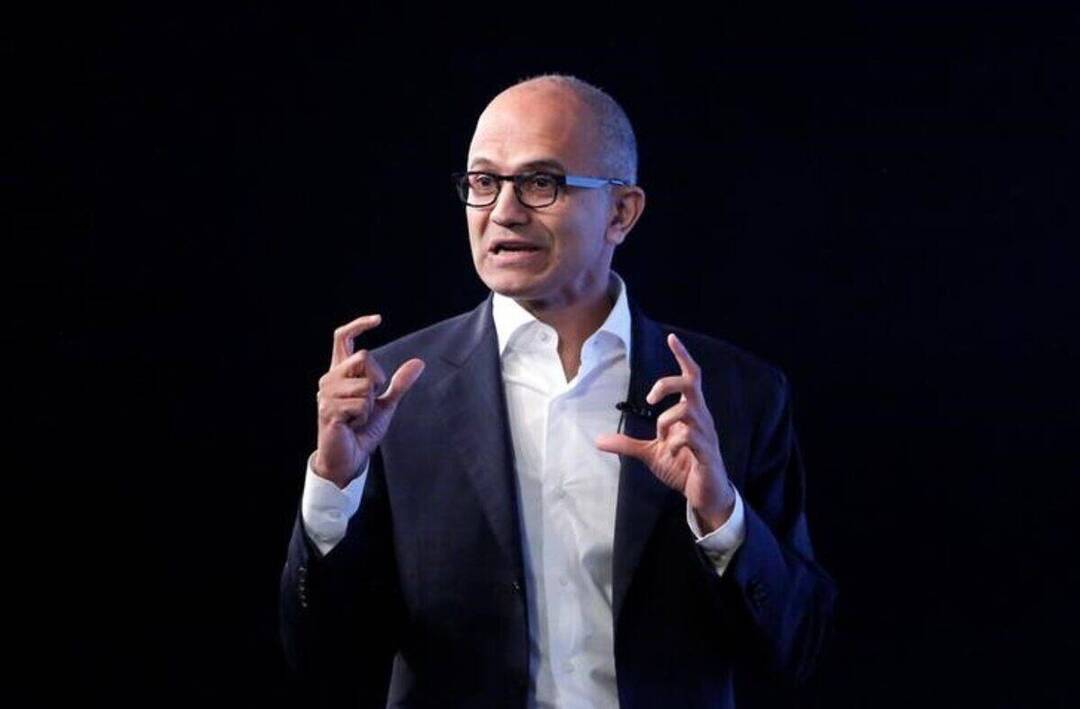
The world of artificial intelligence (AI) has been abuzz with debates and discussions about the potential impact of this technology on our lives. While some experts have hailed AI as a revolutionary force that will transform the way we live and work, others have raised concerns about its potential risks and limitations. However, according to Microsoft CEO Satya Nadella, it’s time to move beyond these debates and focus on the real-world impact of AI.
In a recent statement, Nadella emphasized the need to “get beyond the arguments of slop vs sophistication” when it comes to AI. He believes that the power of any AI model is not the most important factor, but rather how people choose to apply it. “What matters isn’t the power of any…model, but how people choose to apply it,” he stated. This shift in focus is crucial, as it recognizes that AI is not an end in itself, but rather a tool that can be used to achieve specific goals and improve people’s lives.
Nadella’s comments come at a time when AI is becoming increasingly ubiquitous in our daily lives. From virtual assistants like Siri and Alexa to self-driving cars and personalized product recommendations, AI is being used in a wide range of applications. However, despite its many benefits, AI also raises important questions about its potential impact on society. For example, will AI displace human workers, or will it create new job opportunities? How can we ensure that AI systems are fair, transparent, and accountable?
To address these questions, Nadella argues that we need to “develop a new equilibrium…that accounts for humans being equipped with these new cognitive amplifier tools as we relate to each other.” In other words, we need to think about how AI can be used to augment human capabilities, rather than simply replacing them. This requires a fundamental shift in how we design and deploy AI systems, as well as how we think about the relationship between humans and technology.
One of the key challenges in achieving this new equilibrium is ensuring that AI systems are aligned with human values. This requires a deep understanding of the potential risks and benefits of AI, as well as a commitment to developing AI systems that are transparent, explainable, and fair. It also requires a recognition that AI is not a one-size-fits-all solution, but rather a tool that needs to be tailored to specific contexts and applications.
Another important aspect of achieving this new equilibrium is investing in education and training programs that help people develop the skills they need to work with AI. This includes not only technical skills, such as programming and data analysis, but also soft skills, such as critical thinking, creativity, and empathy. By investing in these skills, we can ensure that people are equipped to work effectively with AI, and that they can reap the benefits of this technology while minimizing its risks.
In addition to these efforts, it’s also important to recognize the potential benefits of AI in addressing some of the world’s most pressing challenges. For example, AI can be used to improve healthcare outcomes, reduce energy consumption, and enhance food security. By focusing on these real-world applications, we can move beyond the abstract debates about AI and focus on the tangible impact it can have on people’s lives.
In conclusion, Microsoft CEO Satya Nadella’s comments highlight the need to move beyond the debates about AI and focus on its real-world impact. By recognizing the potential benefits and risks of AI, and by investing in education and training programs, we can develop a new equilibrium that accounts for humans being equipped with these new cognitive amplifier tools. This requires a fundamental shift in how we think about AI, as well as a commitment to developing AI systems that are aligned with human values. As we move forward in this new era of AI, it’s essential that we prioritize the development of AI systems that are transparent, explainable, and fair, and that we invest in the skills and education needed to ensure that people can reap the benefits of this technology.
About the Author