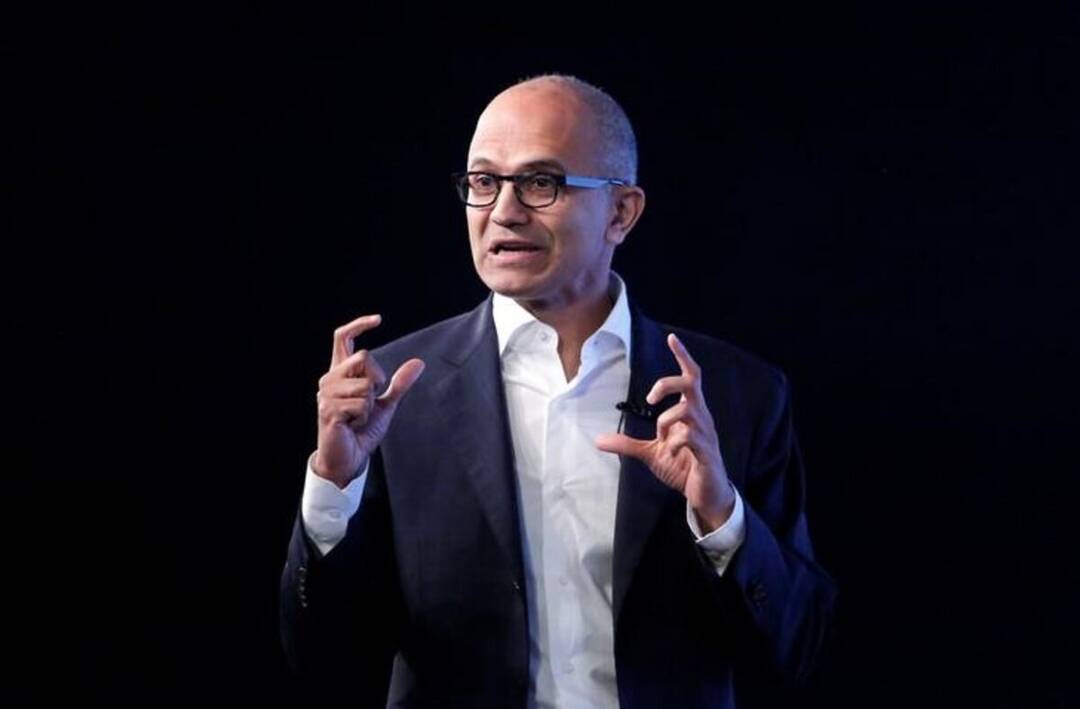
We need to move beyond AI slop debates: Microsoft CEO Nadella
The world of artificial intelligence (AI) has been abuzz with debates and discussions about the potential and pitfalls of this emerging technology. From concerns about job displacement to excitement about new opportunities, the conversation around AI has been intense and often polarized. However, according to Microsoft CEO Satya Nadella, it’s time to move beyond the “slop vs sophistication” debates and focus on the real-world impact of AI.
In a recent statement, Nadella emphasized that the world needs to “get beyond the arguments of slop vs sophistication.” He argued that the power of any individual AI model is not the most important factor, but rather how people choose to apply it. “What matters isn’t the power of any…model, but how people choose to apply it,” he stated. This shift in focus is crucial, as it recognizes that AI is not an end in itself, but rather a tool that can be used to achieve various goals and outcomes.
Nadella’s comments highlight the need for a more nuanced and balanced approach to AI development and deployment. Rather than getting bogged down in abstract debates about the potential of AI, we should be focusing on the practical ways in which it can be used to improve people’s lives. This might involve using AI to enhance productivity, improve healthcare outcomes, or facilitate communication and collaboration.
One of the key challenges in achieving this goal is developing a new equilibrium that accounts for humans being equipped with these new cognitive amplifier tools as we relate to each other. As Nadella noted, “We need to…develop a new equilibrium…that accounts for humans being equipped with these new cognitive amplifier tools as we relate to each other.” This requires a fundamental shift in how we think about work, education, and social interaction, as well as a recognition of the potential risks and downsides of AI.
To move beyond the slop debates and focus on real-world impact, we need to prioritize collaboration and cooperation between different stakeholders. This includes technologists, policymakers, business leaders, and civil society organizations, all of whom have a critical role to play in shaping the future of AI. By working together, we can ensure that AI is developed and deployed in ways that are transparent, accountable, and beneficial to all.
Another important aspect of moving beyond the slop debates is recognizing the importance of human values and ethics in AI development. As AI becomes increasingly pervasive, it’s essential that we prioritize values such as fairness, transparency, and respect for human rights. This requires a commitment to designing AI systems that are aligned with human values and that prioritize the well-being and dignity of all individuals.
In addition to these efforts, it’s also important to invest in education and re-skilling programs that prepare workers for an AI-driven economy. As AI automates routine tasks and augments human capabilities, it’s essential that we provide workers with the skills and training they need to thrive in this new environment. This might involve investing in programs that teach critical thinking, creativity, and problem-solving, as well as providing opportunities for workers to develop new skills and expertise.
Finally, it’s worth noting that moving beyond the slop debates requires a recognition of the potential risks and downsides of AI. As AI becomes increasingly powerful and pervasive, there is a growing risk of job displacement, bias, and other negative consequences. To mitigate these risks, we need to prioritize transparency, accountability, and regulation, as well as investing in research and development that prioritizes human well-being and safety.
In conclusion, Microsoft CEO Satya Nadella’s comments highlight the need to move beyond the “slop vs sophistication” debates and focus on the real-world impact of AI. By prioritizing collaboration, human values, and education, we can ensure that AI is developed and deployed in ways that are beneficial to all. As we look to the future, it’s essential that we recognize the potential of AI to transform our world and prioritize efforts that promote transparency, accountability, and human well-being.
About the Author