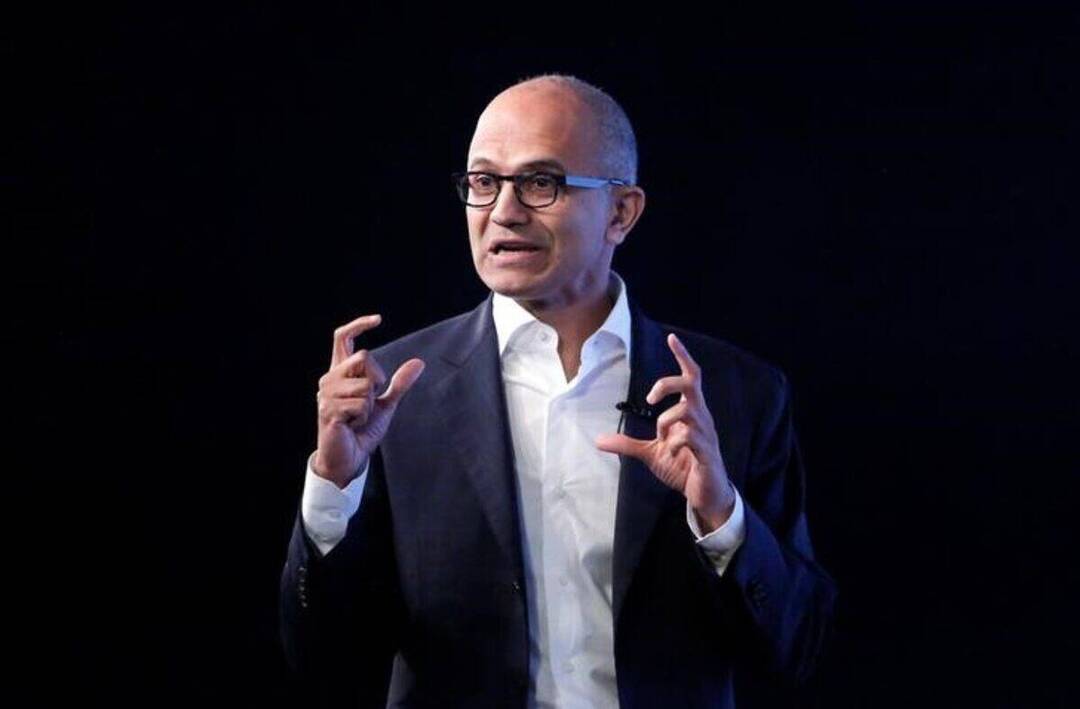
We need to move beyond AI slop debates: Microsoft CEO Nadella
The world of Artificial Intelligence (AI) has been abuzz with debates and discussions about the potential and limitations of this technology. While some experts hail AI as a revolutionary force that can transform industries and improve lives, others are more skeptical, warning about the potential risks and downsides of relying on machines to make decisions. However, according to Microsoft CEO Satya Nadella, it’s time to move beyond these debates and focus on the real-world impact of AI.
In a recent statement, Nadella emphasized the need to “get beyond the arguments of slop vs sophistication” when it comes to AI. “What matters isn’t the power of any individual model, but how people choose to apply it,” he stated. This sentiment reflects a growing recognition that AI is not an end in itself, but rather a tool that can be used to achieve specific goals and outcomes. The key to unlocking the potential of AI lies not in the technology itself, but in how it is used and applied in real-world contexts.
Nadella’s comments come at a time when AI is increasingly being used in a wide range of applications, from virtual assistants and chatbots to predictive analytics and machine learning algorithms. While these technologies have the potential to bring significant benefits, such as improved efficiency and productivity, they also raise important questions about accountability, transparency, and fairness. As Nadella noted, “We need to…develop a new equilibrium…that accounts for humans being equipped with these new cognitive amplifier tools as we relate to each other.”
This emphasis on equilibrium is crucial, as it recognizes that AI is not a replacement for human judgment and decision-making, but rather a tool that can augment and support it. By acknowledging the importance of human agency and oversight, Nadella is highlighting the need for a more nuanced and balanced approach to AI development and deployment. This approach must take into account the social, cultural, and economic contexts in which AI is used, and prioritize values such as fairness, transparency, and accountability.
One of the key challenges in achieving this equilibrium is ensuring that AI systems are designed and developed with human values and needs in mind. This requires a multidisciplinary approach that brings together experts from a wide range of fields, including computer science, social science, philosophy, and ethics. By working together, these experts can help to identify and address the potential risks and downsides of AI, and develop more effective and responsible AI systems.
Another important aspect of achieving equilibrium is ensuring that the benefits of AI are shared equitably and that the technology is accessible to all. This requires efforts to address the digital divide and ensure that everyone has access to the skills and training needed to work effectively with AI. It also requires a commitment to transparency and accountability, so that individuals and communities can understand how AI is being used and make informed decisions about its deployment.
In addition to these efforts, there is also a need for policymakers and regulators to play a more active role in shaping the development and deployment of AI. This can involve establishing clear guidelines and standards for AI development, as well as providing support for research and development in areas such as AI safety and ethics. By working together, governments, industry, and civil society can help to create a framework that promotes the responsible development and use of AI.
In conclusion, Nadella’s comments highlight the need to move beyond the simplistic debates about AI and focus on the real-world impact of this technology. By acknowledging the importance of human agency and oversight, and prioritizing values such as fairness, transparency, and accountability, we can work towards a more nuanced and balanced approach to AI development and deployment. This requires a multidisciplinary approach, a commitment to transparency and accountability, and efforts to ensure that the benefits of AI are shared equitably. As we continue to explore the potential of AI, it is essential that we keep these principles in mind and work towards creating a future where AI is used to augment and support human capabilities, rather than replacing them.
About the Author