We need to move beyond AI slop debates: Microsoft CEO Nadella
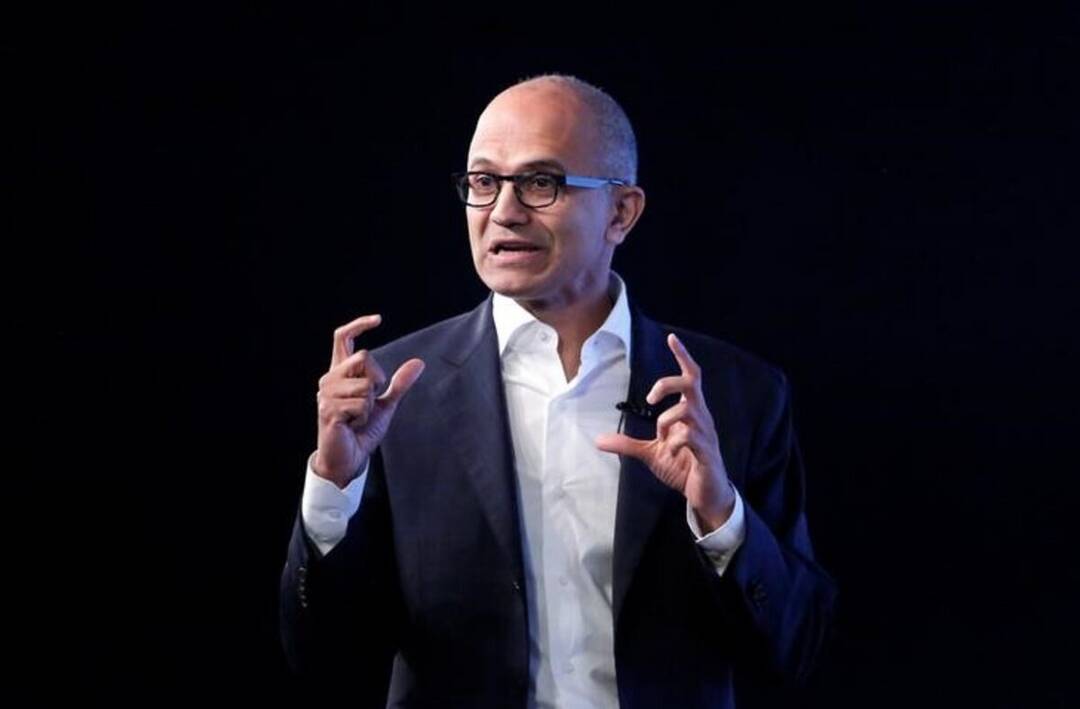
The world of artificial intelligence (AI) has been abuzz with debates and discussions about the potential and limitations of this technology. While some experts hail AI as a revolutionary force that can transform industries and improve lives, others are more skeptical, highlighting the risks and challenges associated with its development and deployment. However, according to Microsoft CEO Satya Nadella, it’s time to move beyond these debates and focus on the real-world impact of AI.
In a recent statement, Nadella emphasized the need to “get beyond the arguments of slop vs sophistication” when it comes to AI. He believes that the power of AI models is not the most important factor, but rather how people choose to apply them. “What matters isn’t the power of any…model, but how people choose to apply it,” he stated. This shift in focus is crucial, as it acknowledges that AI is not an end in itself, but a tool that can be used to achieve specific goals and outcomes.
Nadella’s comments highlight the importance of developing a new equilibrium in the way we think about AI and its relationship to human society. As he put it, “We need to…develop a new equilibrium…that accounts for humans being equipped with these new cognitive amplifier tools as we relate to each other.” This new equilibrium requires us to rethink our assumptions about the role of AI in our lives and to consider the ways in which it can be used to augment human capabilities, rather than simply replacing them.
One of the key challenges in developing this new equilibrium is to ensure that AI is used in a way that is transparent, accountable, and fair. This requires a deep understanding of the potential biases and risks associated with AI, as well as a commitment to developing and deploying AI systems that are designed to promote human well-being. As Nadella noted, the focus should be on the real-world impact of AI, rather than getting bogged down in abstract debates about its potential.
So, what does this mean in practice? How can we move beyond the slop debates and focus on the real-world impact of AI? One approach is to focus on the specific applications and use cases where AI can make a positive difference. For example, AI can be used to improve healthcare outcomes by analyzing medical images and identifying potential health risks. It can also be used to enhance education by providing personalized learning experiences and adapting to individual student needs.
Another approach is to prioritize the development of AI systems that are designed to promote human collaboration and cooperation. This can involve developing AI tools that facilitate communication and teamwork, or that provide decision-support systems that can help humans make more informed choices. By focusing on these types of applications, we can begin to build a new equilibrium that recognizes the potential of AI to augment human capabilities, rather than simply replacing them.
Ultimately, the key to moving beyond the AI slop debates is to recognize that AI is not a zero-sum game, where the benefits of AI come at the expense of human workers or communities. Rather, AI has the potential to create new opportunities and benefits that can be shared by all. As Nadella noted, the focus should be on how people choose to apply AI, rather than the power of the technology itself. By working together to develop and deploy AI systems that promote human well-being and prosperity, we can create a brighter future for all.
In conclusion, Microsoft CEO Satya Nadella’s comments highlight the need to move beyond the AI slop debates and focus on the real-world impact of this technology. By recognizing the potential of AI to augment human capabilities and promoting its development and deployment in a way that is transparent, accountable, and fair, we can create a new equilibrium that benefits everyone. As we continue to explore the possibilities and challenges of AI, it’s essential to keep this focus in mind and to work towards a future where AI is used to improve lives and promote human well-being.
About the Author