We need to move beyond AI slop debates: Microsoft CEO Nadella
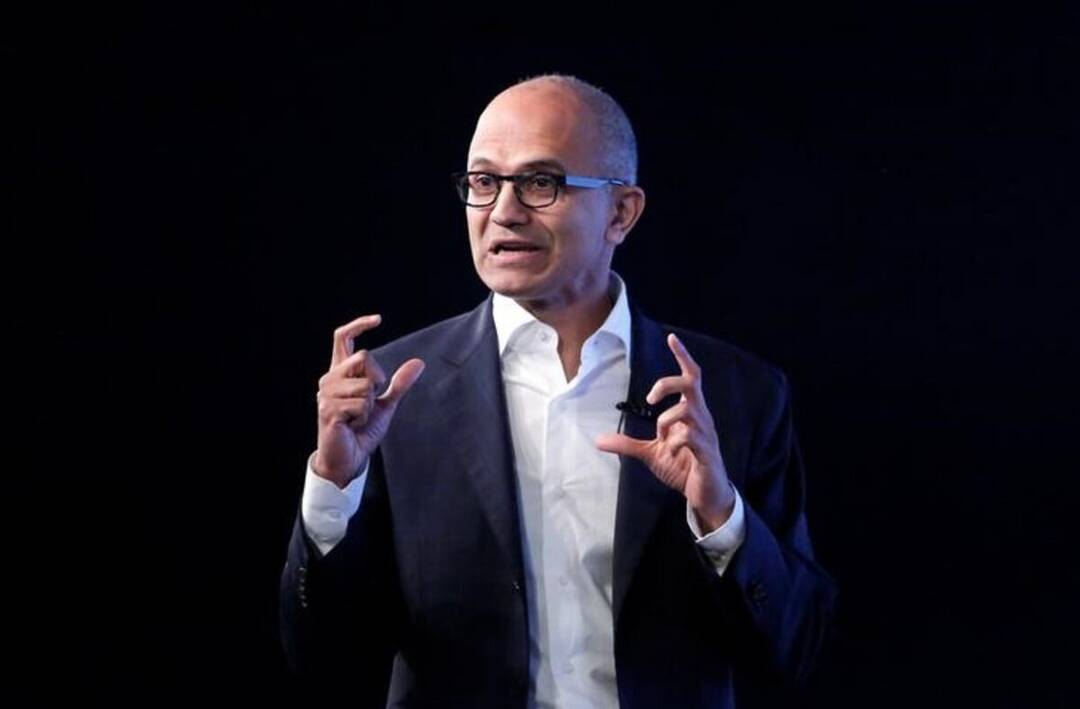
The world of artificial intelligence (AI) has been abuzz with debates and discussions about the potential and limitations of this technology. While some experts tout AI as a revolutionary force that will transform the way we live and work, others are more skeptical, highlighting the potential risks and downsides. However, according to Microsoft CEO Satya Nadella, it’s time to move beyond these debates and focus on the real-world impact of AI.
In a recent statement, Nadella emphasized the need to “get beyond the arguments of slop vs sophistication” when it comes to AI. He argued that the power of AI models is not the most important factor, but rather how people choose to apply them. “What matters isn’t the power of any…model, but how people choose to apply it,” he stated. This shift in focus from the technology itself to its practical applications is a crucial one, as it recognizes that AI is a tool that can be used for a wide range of purposes, both positive and negative.
Nadella also stressed the need to develop a new equilibrium that accounts for humans being equipped with these new cognitive amplifier tools as we relate to each other. This is a key point, as AI is not just a technology that will be used in isolation, but one that will be integrated into our daily lives and interactions. As such, it’s essential to consider how AI will affect our relationships, our work, and our society as a whole.
One of the main challenges in moving beyond the AI slop debates is the need to balance the potential benefits of AI with the potential risks. On the one hand, AI has the potential to bring about significant improvements in productivity, efficiency, and innovation. For example, AI-powered tools can help automate routine tasks, freeing up humans to focus on more complex and creative work. AI can also help us analyze large amounts of data, identify patterns, and make predictions, which can be useful in a wide range of fields, from healthcare to finance.
On the other hand, there are also concerns about the potential risks of AI, such as job displacement, bias, and loss of privacy. For instance, as AI takes over routine tasks, there is a risk that many jobs will become obsolete, leaving workers without employment. Additionally, AI systems can perpetuate and amplify existing biases if they are trained on biased data, which can lead to discriminatory outcomes. Finally, the use of AI can also raise concerns about privacy, as AI systems often require access to large amounts of personal data in order to function effectively.
To address these challenges, Nadella’s call to move beyond the AI slop debates and focus on the real-world impact of AI is a timely one. By shifting the focus from the technology itself to its practical applications, we can begin to develop a more nuanced understanding of the benefits and risks of AI. This, in turn, can help us to develop more effective strategies for mitigating the risks and maximizing the benefits of AI.
So, what does this mean in practice? For one, it means that developers and users of AI need to be more mindful of the potential risks and benefits of AI. This includes being transparent about how AI systems work, ensuring that they are fair and unbiased, and taking steps to protect user privacy. It also means that we need to invest in education and training programs that help workers develop the skills they need to work effectively with AI.
Furthermore, it means that we need to develop new social norms and regulations that account for the impact of AI on our society. This includes developing guidelines for the use of AI in areas such as healthcare, finance, and education, as well as establishing regulations to prevent the misuse of AI. By working together to develop these norms and regulations, we can help to ensure that AI is used in ways that benefit society as a whole.
In conclusion, Microsoft CEO Satya Nadella’s call to move beyond the AI slop debates and focus on the real-world impact of AI is a crucial one. By shifting the focus from the technology itself to its practical applications, we can begin to develop a more nuanced understanding of the benefits and risks of AI. This, in turn, can help us to develop more effective strategies for mitigating the risks and maximizing the benefits of AI. As we move forward in this new era of AI, it’s essential that we prioritize the development of a new equilibrium that accounts for humans being equipped with these new cognitive amplifier tools as we relate to each other.
About the Author