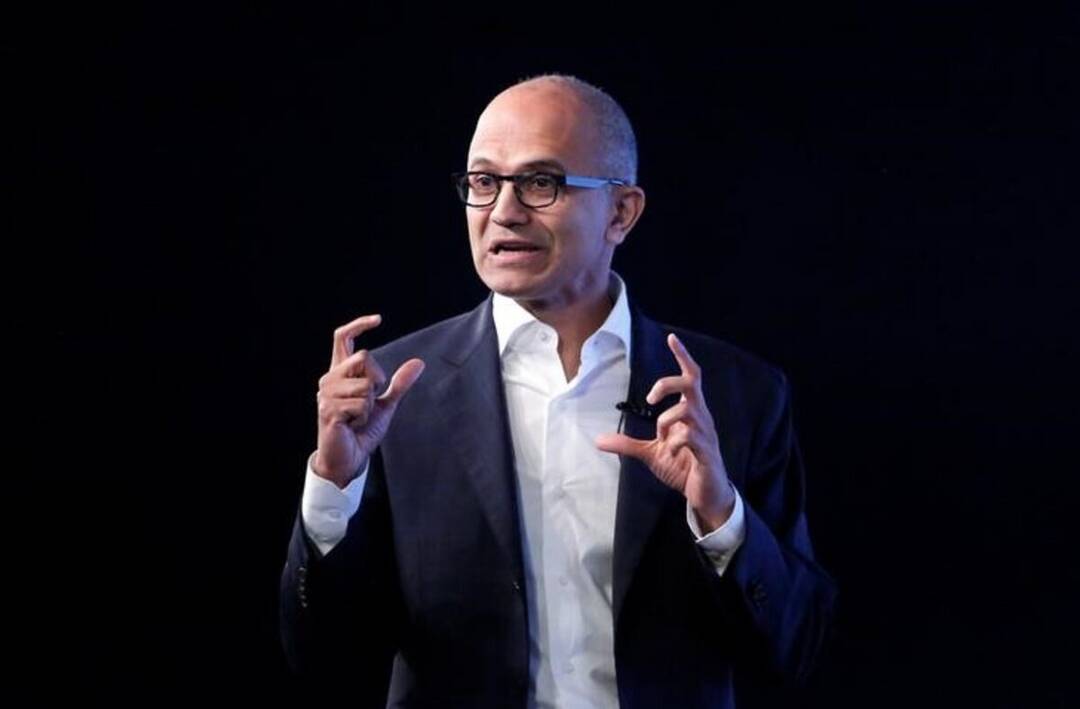
We need to move beyond AI slop debates: Microsoft CEO Nadella
The world of artificial intelligence (AI) has been abuzz with debates and discussions about the potential and limitations of this technology. While some experts have hailed AI as a revolutionary force that can transform industries and improve lives, others have raised concerns about its potential risks and downsides. However, according to Microsoft CEO Satya Nadella, it’s time to move beyond these debates and focus on the real-world impact of AI.
In a recent statement, Nadella emphasized the need to “get beyond the arguments of slop vs sophistication” when it comes to AI. He believes that the power of AI models is not the most important factor, but rather how people choose to apply them. “What matters isn’t the power of any…model, but how people choose to apply it,” he stated. This shift in focus is crucial, as it can help us unlock the true potential of AI and ensure that it is used for the betterment of society.
Nadella’s comments come at a time when AI is becoming increasingly pervasive in our lives. From virtual assistants like Siri and Alexa to self-driving cars and personalized product recommendations, AI is transforming the way we live, work, and interact with each other. However, despite its many benefits, AI has also raised concerns about job displacement, bias, and accountability.
One of the key challenges facing the AI community is the need to develop a new equilibrium that accounts for humans being equipped with these new cognitive amplifier tools as we relate to each other. As Nadella noted, “We need to…develop a new equilibrium…that accounts for humans being equipped with these new cognitive amplifier tools as we relate to each other.” This requires a fundamental shift in how we think about work, education, and social relationships, and how we can harness the power of AI to augment human capabilities rather than replacing them.
So, what does this new equilibrium look like? For starters, it requires a recognition that AI is not a replacement for human intelligence, but rather a tool that can augment and enhance it. By leveraging AI, humans can focus on higher-level tasks that require creativity, empathy, and critical thinking, while leaving routine and repetitive tasks to machines.
Another key aspect of this new equilibrium is the need for transparency and accountability in AI development and deployment. As AI systems become more pervasive, it’s essential to ensure that they are fair, unbiased, and transparent, and that their decision-making processes are explainable and accountable. This requires a multidisciplinary approach that brings together experts from fields like computer science, social science, philosophy, and ethics to develop AI systems that are aligned with human values and principles.
Furthermore, the development of this new equilibrium requires a significant investment in education and re-skilling programs that can help workers develop the skills they need to work effectively with AI. This includes not only technical skills like programming and data analysis, but also soft skills like communication, collaboration, and creativity. By investing in these programs, we can ensure that workers are equipped to thrive in an AI-driven economy, and that the benefits of AI are shared by all.
In conclusion, Microsoft CEO Satya Nadella’s comments highlight the need to move beyond the debates and discussions about AI and focus on its real-world impact. By developing a new equilibrium that accounts for humans being equipped with these new cognitive amplifier tools, we can unlock the true potential of AI and ensure that it is used for the betterment of society. This requires a fundamental shift in how we think about work, education, and social relationships, and a recognition that AI is a tool that can augment and enhance human capabilities, rather than replacing them.
As we move forward in this journey, it’s essential to keep in mind the potential risks and downsides of AI, and to develop strategies for mitigating them. However, by working together and leveraging the power of AI, we can create a future that is more equitable, just, and prosperous for all.
About the Author