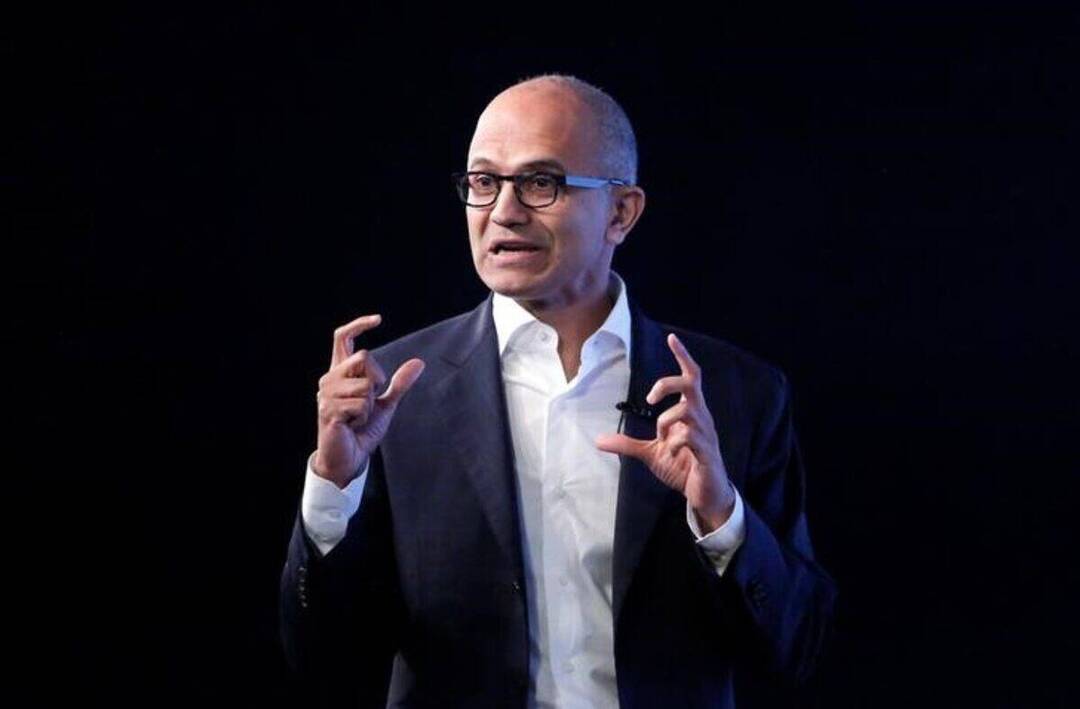
We need to move beyond AI slop debates: Microsoft CEO Nadella
The world of artificial intelligence (AI) has been abuzz with debates and discussions about the potential and limitations of this technology. While some experts argue that AI has the potential to revolutionize various aspects of our lives, others are more skeptical about its capabilities. However, according to Microsoft CEO Satya Nadella, it’s time to move beyond these debates and focus on the real-world impact of AI.
In a recent statement, Nadella emphasized the need to “get beyond the arguments of slop vs sophistication” when it comes to AI. He believes that the power of AI models is not the most important factor, but rather how people choose to apply them. “What matters isn’t the power of any individual model, but how people choose to apply it,” he stated. This shift in focus is crucial, as it acknowledges that AI is not an end in itself, but rather a tool that can be used to achieve specific goals and improve people’s lives.
Nadella’s comments come at a time when AI is becoming increasingly ubiquitous in various industries, from healthcare and finance to education and transportation. As AI models become more advanced and widely available, it’s essential to consider how they can be used to drive positive change and improve outcomes. Rather than getting bogged down in debates about the technical capabilities of AI, we should be focusing on how to harness its potential to address real-world problems.
One of the key challenges in achieving this goal is developing a new equilibrium that accounts for humans being equipped with these new cognitive amplifier tools as we relate to each other. As Nadella noted, “We need to…develop a new equilibrium…that accounts for humans being equipped with these new cognitive amplifier tools as we relate to each other.” This requires a fundamental shift in how we think about the relationship between humans and technology, and how we can use AI to augment and enhance human capabilities, rather than simply replacing them.
So, what does this new equilibrium look like? For starters, it requires a deeper understanding of how AI can be used to support and enhance human decision-making, rather than simply automating tasks. It also involves developing new social norms and protocols for how we interact with each other in a world where AI is increasingly present. This might involve establishing clear guidelines for the use of AI in different contexts, such as in the workplace or in education, and ensuring that AI systems are designed and developed with transparency, accountability, and fairness in mind.
Another critical aspect of developing this new equilibrium is ensuring that the benefits of AI are shared widely and equitably. As AI becomes more pervasive, there is a risk that its benefits will be concentrated in the hands of a few individuals or organizations, exacerbating existing social and economic inequalities. To avoid this, we need to prioritize investments in education and training programs that help people develop the skills they need to work effectively with AI, as well as implementing policies that promote greater access to AI technologies and their benefits.
Ultimately, the key to moving beyond the “slop vs sophistication” debates in AI is to focus on the real-world impact of this technology. By prioritizing practical applications and outcomes, we can begin to unlock the full potential of AI and create a future where this technology is used to drive positive change and improve people’s lives. As Nadella’s comments make clear, this requires a fundamental shift in how we think about AI and its relationship to human society. By working together to develop a new equilibrium that accounts for the possibilities and challenges of AI, we can create a brighter future for all.
About the Author