We need to move beyond AI slop debates: Microsoft CEO Nadella
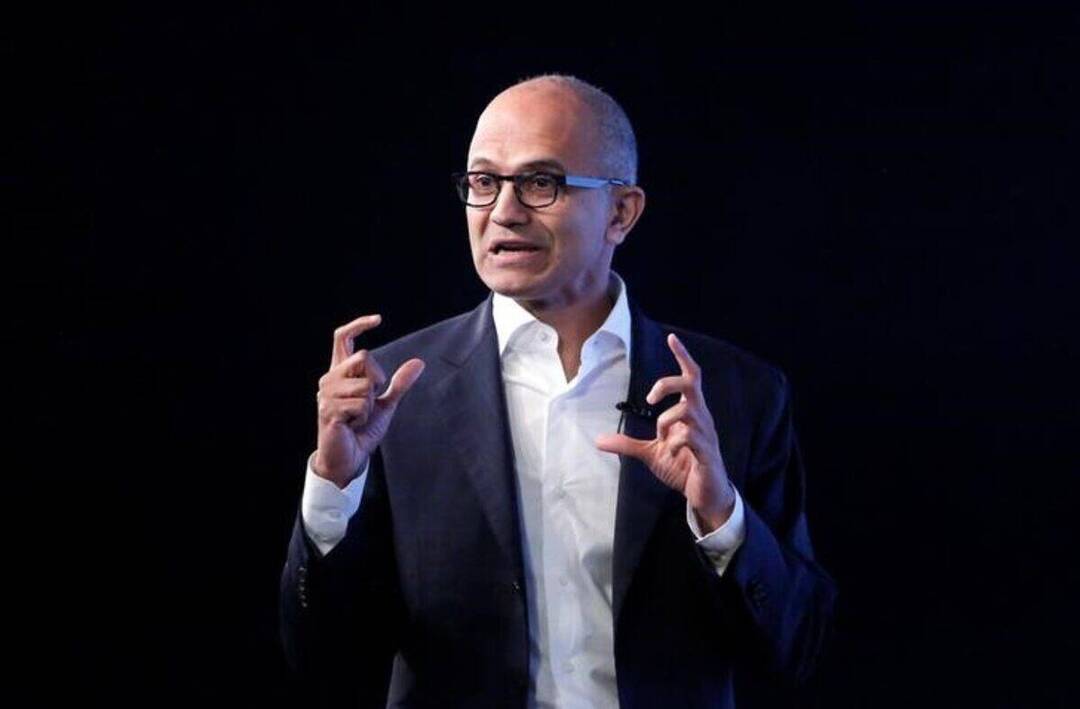
The world of artificial intelligence (AI) has been abuzz with debates and discussions about the potential and limitations of this technology. While some experts have hailed AI as a revolutionary force that will transform the way we live and work, others have raised concerns about its potential risks and drawbacks. However, according to Microsoft CEO Satya Nadella, it’s time to move beyond these debates and focus on the real-world impact of AI.
In a recent statement, Nadella said that the world needs to “get beyond the arguments of slop vs sophistication”. He emphasized that the power of any AI model is not the most important factor, but rather how people choose to apply it. “What matters isn’t the power of any…model, but how people choose to apply it,” he stated. This shift in focus is crucial, as it acknowledges that AI is not an end in itself, but rather a tool that can be used to achieve specific goals and outcomes.
Nadella’s comments come at a time when AI is becoming increasingly ubiquitous in our daily lives. From virtual assistants like Siri and Alexa to self-driving cars and personalized product recommendations, AI is being used in a wide range of applications. However, despite its growing presence, there is still a lot of uncertainty and debate about the potential risks and benefits of AI.
One of the main concerns about AI is that it could displace human workers, particularly in industries where tasks are repetitive or can be easily automated. However, Nadella argues that AI can also be used to augment human capabilities, rather than replace them. “We need to…develop a new equilibrium…that accounts for humans being equipped with these new cognitive amplifier tools as we relate to each other,” he added.
This idea of using AI as a cognitive amplifier is an interesting one, as it suggests that AI can be used to enhance human abilities, rather than replace them. For example, AI can be used to analyze large datasets and provide insights that would be difficult or impossible for humans to achieve on their own. This can be particularly useful in fields like medicine, where AI can be used to analyze medical images and help doctors diagnose diseases more accurately.
Another area where AI can have a significant impact is in education. AI-powered adaptive learning systems can be used to personalize education for individual students, providing them with tailored learning experiences that are designed to meet their specific needs and abilities. This can be particularly useful for students who may be struggling with certain subjects or concepts, as AI can provide them with additional support and guidance.
However, in order to realize the full potential of AI, we need to move beyond the current debates and focus on the real-world impact of this technology. This means investing in education and training programs that can help workers develop the skills they need to work with AI, as well as developing new policies and regulations that can help mitigate the risks associated with AI.
Ultimately, the future of AI will depend on how we choose to use it. If we use AI to augment human capabilities, rather than replace them, we can create a future where AI enhances our lives and helps us achieve our goals. However, if we fail to develop a new equilibrium that accounts for the impact of AI on human relationships, we risk creating a future where AI exacerbates existing social and economic inequalities.
In conclusion, Nadella’s comments highlight the need to move beyond the current debates about AI and focus on the real-world impact of this technology. By using AI as a cognitive amplifier, we can enhance human abilities and create a future where AI helps us achieve our goals. However, this will require a concerted effort to develop new policies, regulations, and education programs that can help us realize the full potential of AI.
About the Author