We need to move beyond AI slop debates: Microsoft CEO Nadella
The world of artificial intelligence (AI) has been abuzz with debates and discussions about the potential benefits and drawbacks of this technology. While some experts argue that AI has the potential to revolutionize industries and improve our lives, others claim that it is nothing more than a “slop” that lacks sophistication. However, according to Microsoft CEO Satya Nadella, it’s time to move beyond these debates and focus on the real-world impact of AI.
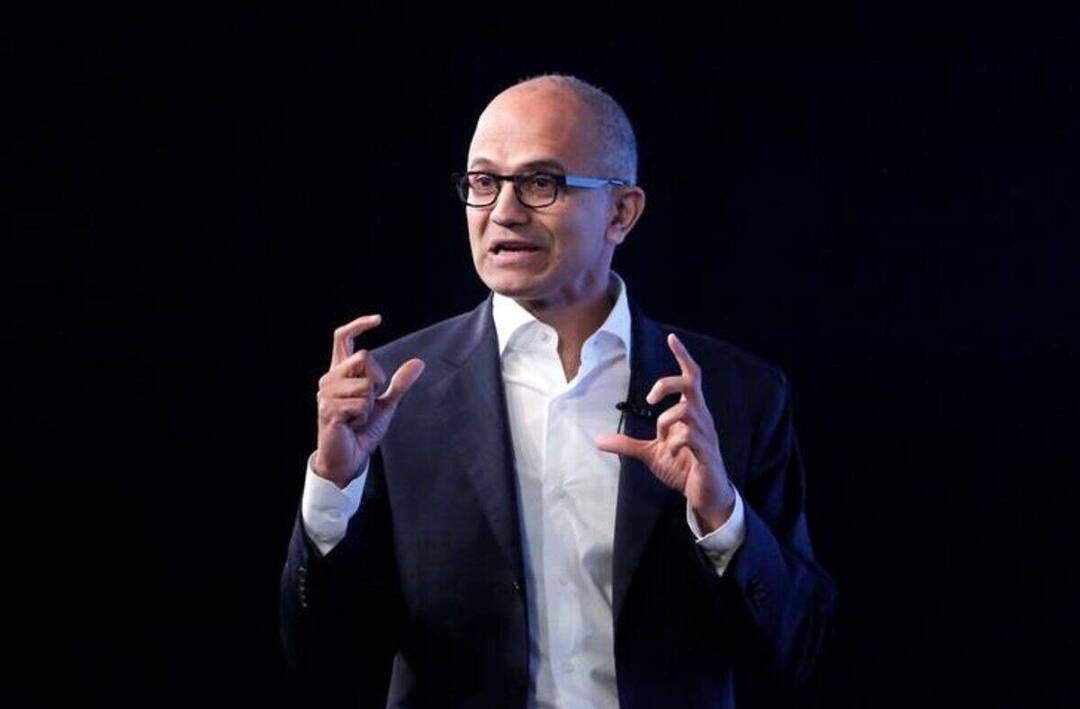
In a recent statement, Nadella said that the world needs to “get beyond the arguments of slop vs sophistication”. He emphasized that what matters isn’t the power of any particular AI model, but how people choose to apply it. This statement highlights the importance of considering the practical applications of AI and how it can be used to drive positive change in the world.
Nadella also stressed the need to develop a new equilibrium that accounts for humans being equipped with these new cognitive amplifier tools as we relate to each other. This equilibrium is crucial in ensuring that AI is developed and used in a way that complements human capabilities, rather than replacing them. By doing so, we can unlock the full potential of AI and create a future where humans and machines work together in harmony.
The debate about AI slop vs sophistication has been ongoing for some time, with some experts arguing that current AI systems lack the nuance and complexity of human intelligence. However, Nadella’s statement suggests that this debate is missing the point. Rather than focusing on the limitations of AI, we should be exploring ways to harness its potential and use it to drive innovation and progress.
One of the key areas where AI can have a significant impact is in the workplace. By automating routine tasks and providing insights and analysis, AI can help workers to be more productive and efficient. This, in turn, can lead to increased economic growth and competitiveness. However, to achieve this, we need to develop AI systems that are designed to augment human capabilities, rather than replace them.
Nadella’s call to move beyond AI slop debates is also timely, given the growing concern about the potential risks and challenges associated with AI. From job displacement to bias and discrimination, there are many potential pitfalls that need to be addressed. By focusing on the practical applications of AI and how it can be used to drive positive change, we can work towards mitigating these risks and creating a future where AI benefits everyone.
Furthermore, the development of AI is not just a technical challenge, but also a societal one. As AI becomes increasingly ubiquitous, we need to consider the social and cultural implications of this technology. This includes ensuring that AI systems are transparent, accountable, and fair, and that they are designed to promote diversity and inclusion.
In conclusion, Microsoft CEO Satya Nadella’s statement highlights the need to move beyond the debates about AI slop vs sophistication and focus on the real-world impact of this technology. By developing AI systems that are designed to augment human capabilities and drive positive change, we can unlock the full potential of AI and create a future where humans and machines work together in harmony. As we continue to explore the possibilities of AI, it’s essential to keep Nadella’s words in mind and work towards creating a future where AI benefits everyone.
To achieve this, we need to adopt a more nuanced and multifaceted approach to AI development, one that takes into account the complex interplay between technology, society, and human values. This requires a collaborative effort from industry leaders, policymakers, and civil society organizations to ensure that AI is developed and used in a way that promotes the greater good.
Ultimately, the future of AI is not just about the technology itself, but about the kind of world we want to create. By moving beyond the debates about AI slop vs sophistication and focusing on the real-world impact of this technology, we can work towards creating a future that is more equitable, just, and prosperous for all.
About the Author