We need to move beyond AI slop debates: Microsoft CEO Nadella
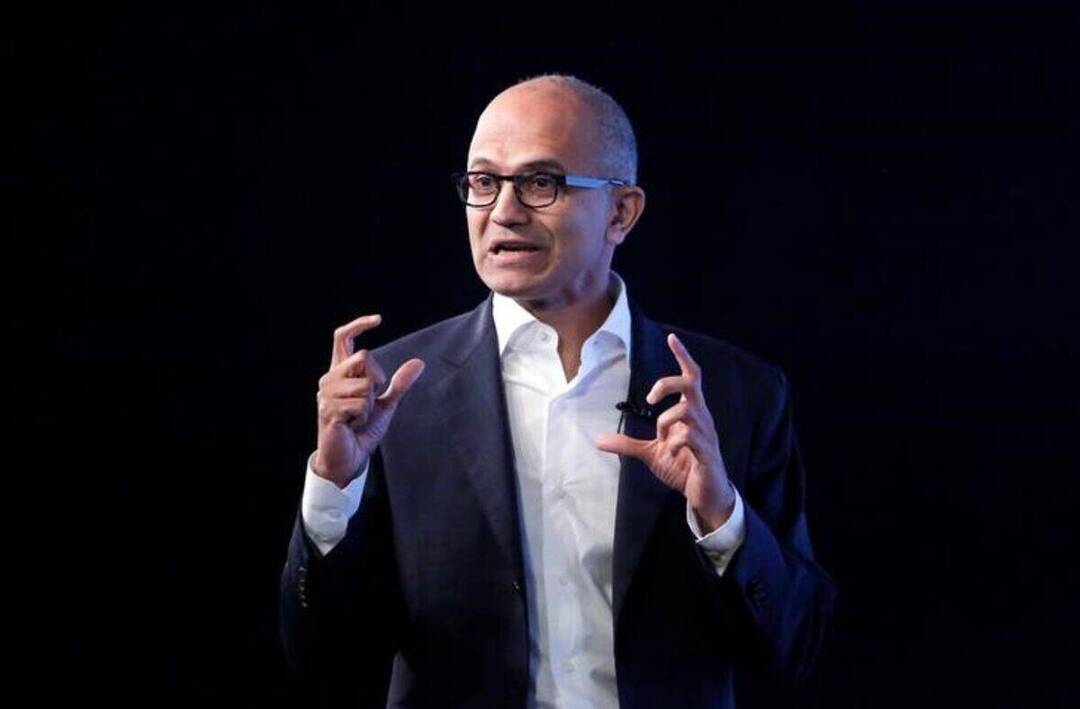
The world of artificial intelligence (AI) has been abuzz with debates and discussions about the potential and pitfalls of this emerging technology. While some experts have hailed AI as a revolutionary force that will transform industries and improve lives, others have raised concerns about its potential to displace jobs, perpetuate biases, and undermine human relationships. However, according to Microsoft CEO Satya Nadella, it’s time to move beyond these debates and focus on the real-world impact of AI.
In a recent statement, Nadella said that the world needs to “get beyond the arguments of slop vs sophistication.” He emphasized that the power of AI models is not the most important factor, but rather how people choose to apply them. “What matters isn’t the power of any…model, but how people choose to apply it,” he stated. This statement highlights the need to shift the focus from the technical capabilities of AI to its practical applications and the benefits it can bring to society.
Nadella also stressed the need to develop a new equilibrium that accounts for humans being equipped with these new cognitive amplifier tools as we relate to each other. This means that we need to think about how AI can be used to augment human capabilities, rather than replacing them. By doing so, we can create a more harmonious and productive relationship between humans and machines.
The debate about AI has often been framed as a binary choice between “slop” and “sophistication.” On one hand, there are those who believe that AI will lead to a future of abundance and leisure, where machines do all the work and humans are free to pursue their passions. On the other hand, there are those who warn that AI will displace jobs, exacerbate income inequality, and undermine human dignity. However, Nadella’s statement suggests that this debate is overly simplistic and that the reality is more nuanced.
In reality, AI is a tool that can be used for a wide range of purposes, from automating routine tasks to augmenting human creativity and decision-making. The key is to develop AI systems that are transparent, explainable, and aligned with human values. This requires a multidisciplinary approach that involves not just technologists, but also social scientists, philosophers, and policymakers.
One of the main challenges in developing AI systems that are beneficial to society is ensuring that they are fair, transparent, and accountable. This requires a deep understanding of the social and cultural context in which AI is being deployed. For example, AI systems that are trained on biased data can perpetuate and even amplify existing social inequalities. Therefore, it’s essential to develop AI systems that are designed with diversity, equity, and inclusion in mind.
Another challenge is ensuring that AI is used to augment human capabilities, rather than replacing them. This requires a fundamental shift in how we think about work and the role of machines in the workplace. Rather than seeing AI as a threat to jobs, we should see it as an opportunity to create new forms of work that are more creative, more fulfilling, and more productive.
Nadella’s statement is a call to action for the AI community to move beyond the debates and focus on the real-world impact of AI. It’s a reminder that AI is not just a technical challenge, but a social and cultural one. By working together to develop AI systems that are transparent, explainable, and aligned with human values, we can create a future where AI enhances human life, rather than controlling it.
In conclusion, the debate about AI is complex and multifaceted. While there are valid concerns about the potential risks and challenges of AI, there are also tremendous opportunities for AI to improve lives and transform industries. As Nadella said, “We need to…develop a new equilibrium…that accounts for humans being equipped with these new cognitive amplifier tools as we relate to each other.” By shifting the focus from the technical capabilities of AI to its practical applications and benefits, we can create a more harmonious and productive relationship between humans and machines.
About the Author