We need to move beyond AI slop debates: Microsoft CEO Nadella
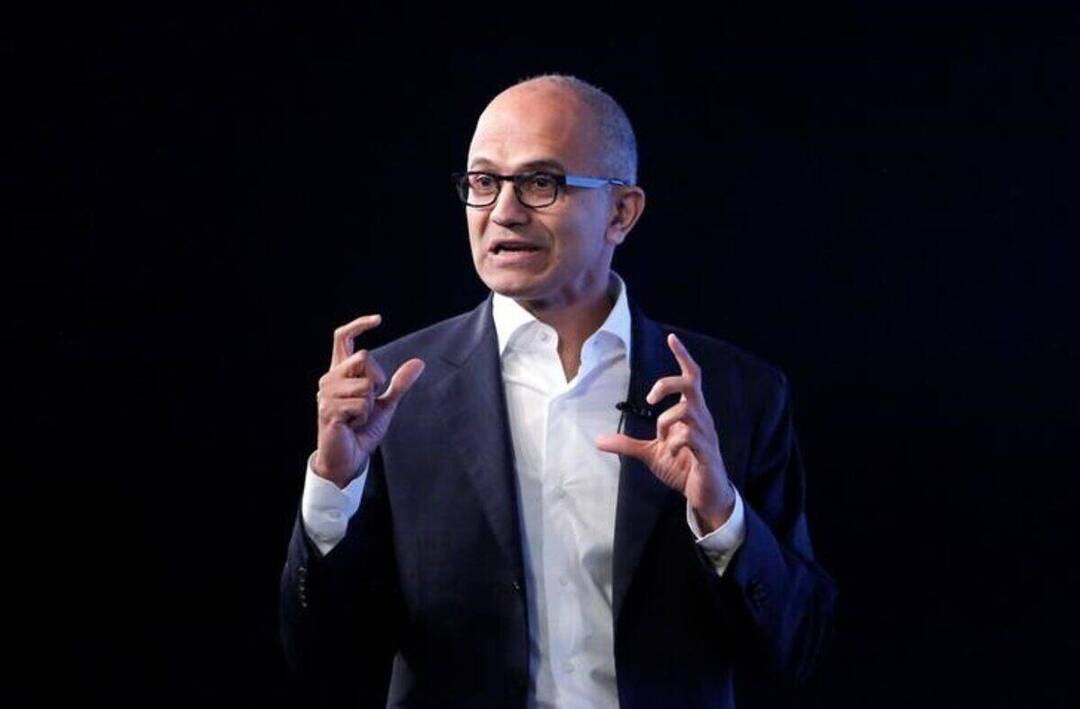
The world of Artificial Intelligence (AI) has been abuzz with debates about the potential and limitations of this technology. While some experts tout AI as a revolutionary force that will transform industries and improve lives, others are more skeptical, warning about the dangers of relying too heavily on machines. However, according to Microsoft CEO Satya Nadella, it’s time to move beyond these debates and focus on the real-world impact of AI.
In a recent statement, Nadella said that the world needs to “get beyond the arguments of slop vs sophistication.” He emphasized that what matters isn’t the power of any particular AI model, but how people choose to apply it. “We need to…develop a new equilibrium…that accounts for humans being equipped with these new cognitive amplifier tools as we relate to each other,” he added.
Nadella’s comments come at a time when AI is becoming increasingly ubiquitous in our daily lives. From virtual assistants like Siri and Alexa to self-driving cars and personalized product recommendations, AI is transforming the way we live, work, and interact with each other. However, this rapid progress has also raised concerns about the potential risks and downsides of AI, such as job displacement, bias, and loss of human agency.
The “slop vs sophistication” debate that Nadella refers to is a common theme in AI discussions. On one hand, some experts argue that AI systems are only as good as the data they are trained on, and that many current AI applications are little more than sophisticated versions of traditional rule-based systems. On the other hand, others claim that AI has the potential to revolutionize industries and solve complex problems that have long stumped humans.
However, Nadella’s statement suggests that this debate is misplaced. Rather than arguing about the technical capabilities of AI, we should be focusing on how to harness its potential to drive positive change in the world. This requires a more nuanced understanding of the complex interplay between humans and machines, and a willingness to experiment and learn as we go.
One key area where AI can have a significant impact is in augmenting human capabilities. By providing people with access to powerful cognitive tools, AI can help us to be more productive, creative, and innovative. For example, AI-powered writing assistants can help authors to generate ideas, organize their thoughts, and refine their language. Similarly, AI-based design tools can enable architects and engineers to create more efficient, sustainable, and beautiful buildings and products.
However, to realize this potential, we need to develop a new equilibrium that takes into account the role of humans in the AI-driven world. This means recognizing that AI is not a replacement for human judgment, empathy, and creativity, but rather a tool that can be used to augment and support these qualities. It also requires us to think critically about the potential risks and downsides of AI, and to develop strategies for mitigating them.
For instance, as AI becomes more pervasive in the workplace, there is a risk that it could exacerbate existing social and economic inequalities. To avoid this, we need to ensure that the benefits of AI are shared widely, and that workers who are displaced by automation are provided with the training and support they need to adapt to new roles.
Ultimately, the future of AI will depend on our ability to develop a more sophisticated understanding of its potential and limitations. By moving beyond the “slop vs sophistication” debate and focusing on the real-world impact of AI, we can unlock its full potential to drive positive change in the world. As Nadella’s statement suggests, this requires a willingness to experiment, learn, and adapt, as well as a commitment to developing a new equilibrium that accounts for the complex interplay between humans and machines.
In conclusion, the world of AI is at a crossroads. While there are many debates and discussions about the potential and limitations of this technology, it’s time to move beyond these arguments and focus on the real-world impact of AI. By recognizing the potential of AI to augment human capabilities, and by developing a new equilibrium that takes into account the role of humans in the AI-driven world, we can unlock its full potential to drive positive change in the world.
About the Author