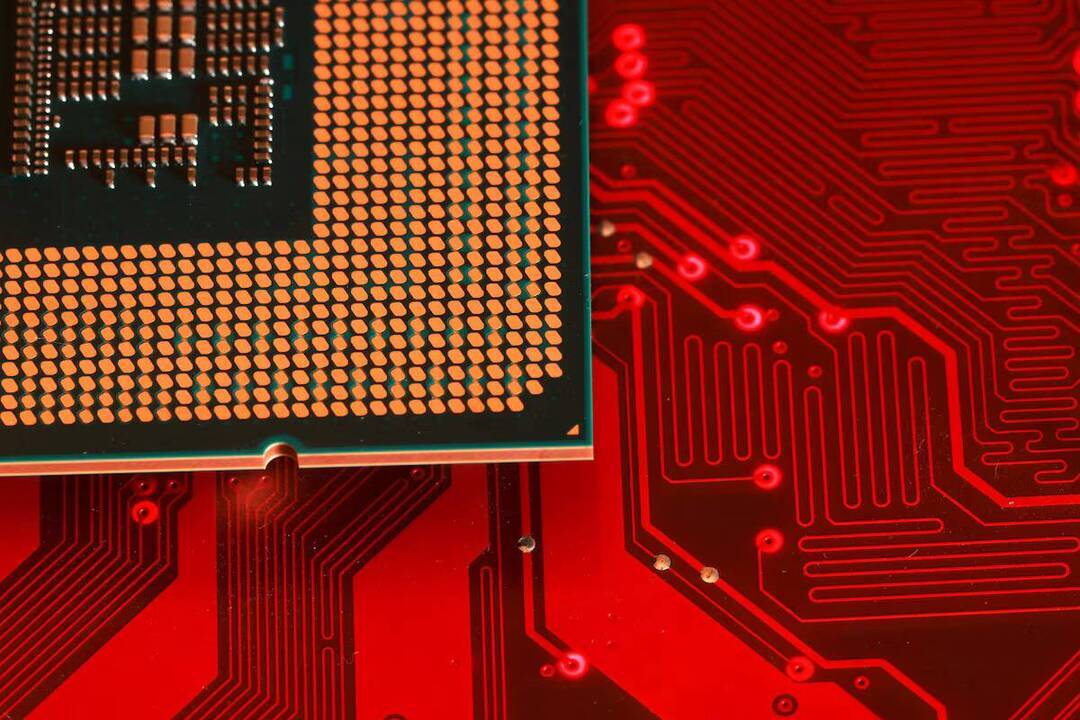
US to impose tariffs on Chinese chip imports in 2027
The United States has announced its decision to impose tariffs on Chinese semiconductor imports, with the implementation date set for June 2027. This move is a significant development in the ongoing trade tensions between the two nations, particularly in the technology sector. The US Trade Representative stated that China’s aggressive pursuit of dominance in the semiconductor industry is “unreasonable and burdens or restricts US commerce,” thereby justifying the imposition of tariffs.
The semiconductor industry is a critical component of the global technology ecosystem, with applications ranging from consumer electronics to advanced military equipment. The US has long been a leader in this field, but China has been rapidly expanding its capabilities in recent years. The Chinese government has identified the semiconductor industry as a strategic priority, with significant investments and subsidies aimed at boosting domestic production and reducing reliance on foreign suppliers.
The US Trade Representative’s statement highlights the concerns surrounding China’s trade practices, which are seen as unfair and detrimental to American businesses. The imposition of tariffs is intended to level the playing field and protect US companies from unfair competition. However, the move is likely to have far-reaching implications for the global technology industry, with potential consequences for consumers, manufacturers, and economies around the world.
The tariff rate for Chinese semiconductor imports will be announced at least 30 days in advance, providing some clarity for businesses and investors. This notice period will allow companies to adjust their supply chains and pricing strategies in anticipation of the tariffs. However, the uncertainty surrounding the tariff rate and the potential impact on the industry is likely to persist until the official announcement is made.
The delay in imposing tariffs until June 2027 suggests that the US is seeking to balance its trade objectives with the need to maintain stability in the global technology ecosystem. The semiconductor industry is highly interconnected, with complex supply chains and dependencies that span multiple countries. A sudden or drastic change in trade policies could have unintended consequences, such as disruptions to global supply chains or increased prices for consumers.
The US decision to impose tariffs on Chinese semiconductor imports is also likely to have significant implications for the ongoing trade negotiations between the two nations. The US-China trade relationship has been marked by tensions and disputes in recent years, with both countries imposing tariffs and engaging in a series of tit-for-tat measures. The latest development is likely to add to the complexity of these negotiations, with potential consequences for other sectors and industries.
In the broader context, the US move to impose tariffs on Chinese semiconductor imports reflects the growing competition between the two nations for technological supremacy. The semiconductor industry is a critical component of this competition, with both countries seeking to establish themselves as leaders in the development and production of advanced technologies. The imposition of tariffs is a significant escalation of this competition, with potential implications for the future of the global technology industry.
As the world’s two largest economies, the US and China have a profound impact on the global economy and trade landscape. Their trade policies and decisions have far-reaching consequences, affecting not only their own economies but also those of other nations. The imposition of tariffs on Chinese semiconductor imports is a significant development that will be closely watched by businesses, investors, and policymakers around the world.
In conclusion, the US decision to impose tariffs on Chinese semiconductor imports in 2027 marks a significant escalation of trade tensions between the two nations. The move is intended to protect US companies from unfair competition and level the playing field, but it is likely to have far-reaching implications for the global technology industry. As the world waits for the official announcement of the tariff rate, businesses and investors will be closely watching the developments in this critical sector.
News Source: https://www.reuters.com/world/china/us-impose-tariffs-chips-china-2025-12-23/
About the Author