Trump’s ‘drill baby drill’ energy policy saved AI industry: Huang
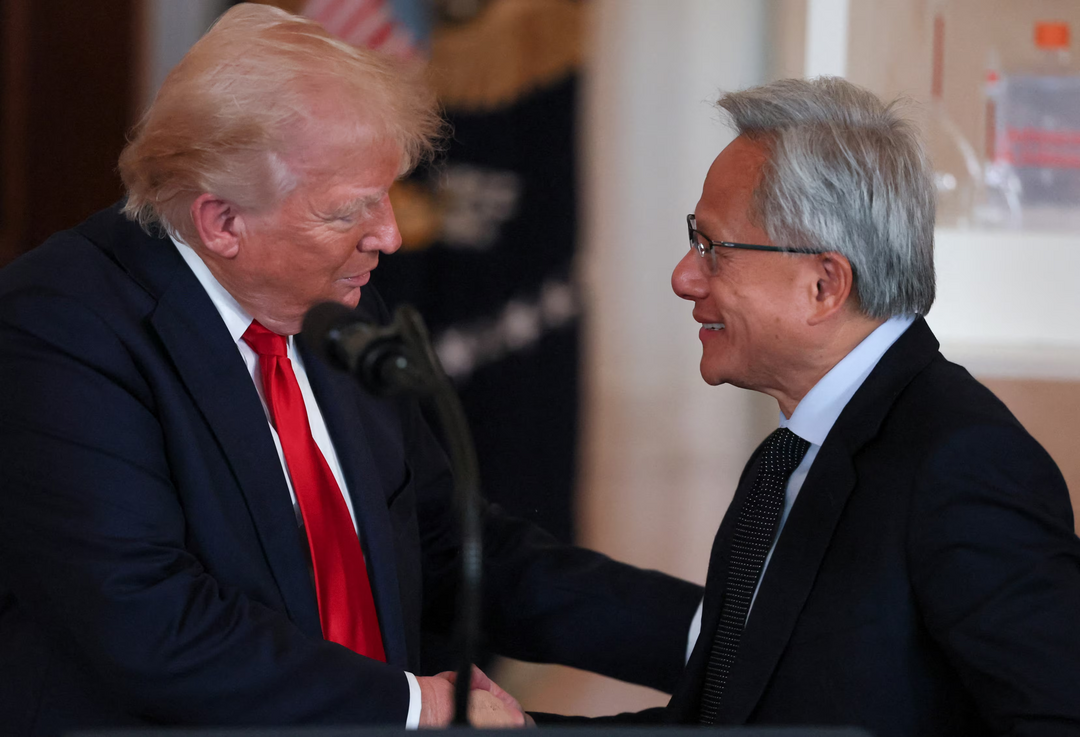
The artificial intelligence (AI) industry has been growing at an unprecedented rate in recent years, with advancements in machine learning, natural language processing, and computer vision. However, according to NVIDIA CEO Jensen Huang, the industry’s success can be attributed, in part, to the energy policies of former US President Donald Trump. In a recent statement, Huang praised Trump’s pro-growth energy policy, saying that it played a crucial role in saving the AI industry.
Huang’s comments came as a surprise to many, given the controversy surrounding Trump’s energy policies. The former President’s “drill baby drill” slogan, which emphasized the need for increased oil and gas production, was met with criticism from environmental groups and Democrats. However, according to Huang, Trump’s policies had a positive impact on the AI industry.
“He came into office and the first thing…he said was ‘drill, baby, drill’,” Huang said. “His point is…we need energy growth. If not for his…policies, we’d not be able to build factories for AI…We surely wouldn’t be able to build supercomputer factories,” he added. Huang’s statement suggests that Trump’s energy policies, which aimed to increase domestic oil and gas production, helped to reduce energy costs and increase the availability of power, making it possible for companies like NVIDIA to build and operate large-scale manufacturing facilities.
The connection between energy policy and the AI industry may not be immediately apparent, but it is rooted in the fact that AI systems require massive amounts of computational power to operate. Training a single AI model can require thousands of hours of computing time, which in turn requires significant amounts of energy. As the demand for AI systems has grown, so too has the need for powerful and efficient computing hardware. Companies like NVIDIA, which specialize in the production of graphics processing units (GPUs) and other high-performance computing hardware, have had to build large-scale manufacturing facilities to meet this demand.
However, building and operating these facilities requires access to reliable and affordable energy sources. This is where Trump’s energy policies come in. By promoting domestic oil and gas production, Trump’s policies helped to increase the availability of energy and reduce costs. This, in turn, made it possible for companies like NVIDIA to build and operate the large-scale manufacturing facilities needed to produce the high-performance computing hardware required for AI systems.
Huang’s comments are significant, not only because they highlight the importance of energy policy in the development of the AI industry but also because they suggest that the industry’s growth may be more fragile than previously thought. If the US had not had access to affordable and reliable energy sources, it is possible that the AI industry may not have grown at the same rate. This raises important questions about the sustainability of the AI industry and the need for policymakers to consider the energy implications of their decisions.
The AI industry is not just a US phenomenon; it is a global industry with companies and research institutions all over the world. However, the US has played a leading role in the development of AI, and companies like NVIDIA have been at the forefront of this effort. As the industry continues to grow and evolve, it will be important for policymakers to consider the energy implications of their decisions and to work towards creating a sustainable and reliable energy infrastructure.
In conclusion, NVIDIA CEO Jensen Huang’s comments about the role of Trump’s energy policy in saving the AI industry are a reminder of the complex and often unexpected ways in which policy decisions can impact different industries. While Trump’s “drill baby drill” slogan may have been met with criticism from environmental groups, it appears to have had a positive impact on the AI industry. As the industry continues to grow and evolve, it will be important for policymakers to consider the energy implications of their decisions and to work towards creating a sustainable and reliable energy infrastructure.
About the Author