Trump’s ‘drill baby drill’ energy policy saved AI industry: Huang
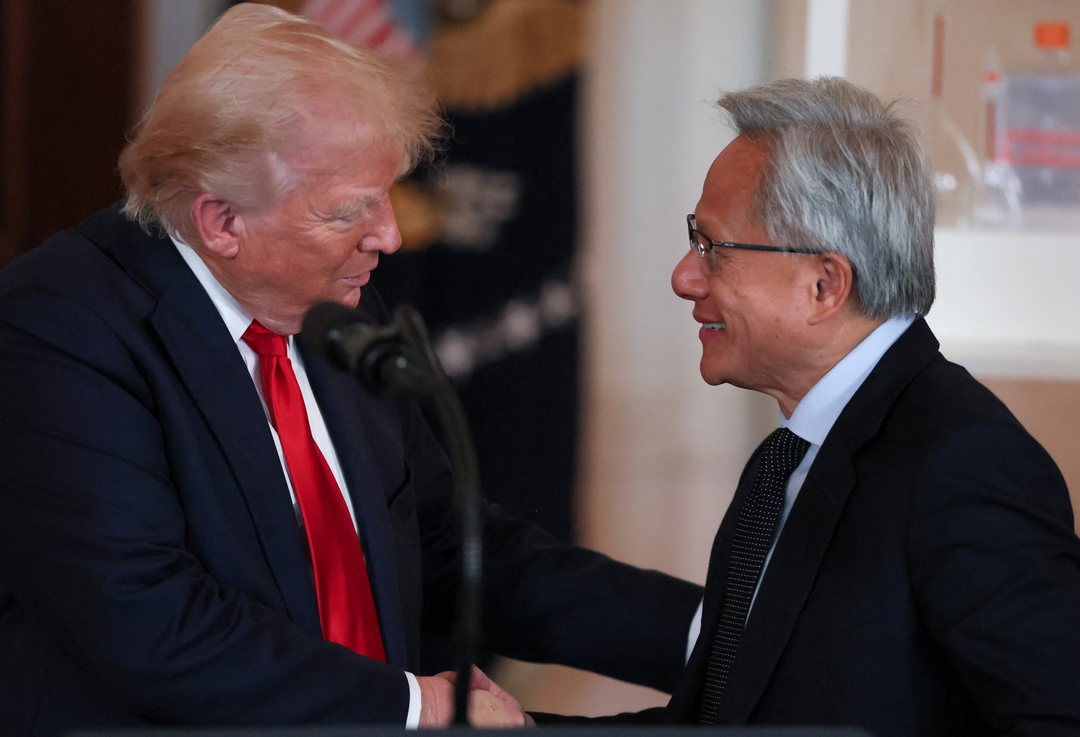
The artificial intelligence (AI) industry has been growing at an unprecedented rate in recent years, with advancements in technology and innovations in the field of machine learning and deep learning. However, according to NVIDIA CEO Jensen Huang, the AI industry owes a debt of gratitude to former US President Donald Trump. In a recent statement, Huang praised Trump’s pro-growth energy policy, which he believes saved the AI industry.
Huang’s comments came after an alleged meeting with Trump, where he expressed his appreciation for the former President’s “drill, baby, drill” energy policy. For those who may not be familiar, “drill, baby, drill” was a catchy slogan used by Trump during his presidential campaign, emphasizing the need for increased oil and gas production in the United States. The policy was aimed at reducing the country’s dependence on foreign oil and promoting domestic energy production.
According to Huang, Trump’s energy policy was a game-changer for the AI industry. “He came into office and the first thing…he said was ‘drill, baby, drill’. His point is…we need energy growth,” Huang said. “If not for his…policies, we’d not be able to build factories for AI…We surely wouldn’t be able to build supercomputer factories,” he added.
So, how exactly did Trump’s energy policy save the AI industry? To understand this, we need to delve into the world of AI and its energy requirements. AI systems, particularly those used for deep learning and machine learning, require massive amounts of computational power and energy to operate. The training of AI models, for instance, requires powerful computers and massive datasets, which in turn require significant amounts of energy to process.
The production of AI systems, including graphics processing units (GPUs), central processing units (CPUs), and other components, also requires energy-intensive manufacturing processes. The fabrication of these components requires large amounts of electricity, which is often generated by burning fossil fuels. Therefore, a stable and reliable supply of energy is crucial for the production of AI systems.
Trump’s “drill, baby, drill” policy, which aimed to increase domestic oil and gas production, helped to ensure a stable supply of energy for the AI industry. The policy led to an increase in domestic energy production, which in turn reduced the country’s dependence on foreign oil and promoted energy security. This had a positive impact on the AI industry, as it ensured a reliable supply of energy for the production of AI systems and the training of AI models.
Furthermore, Trump’s energy policy also helped to reduce energy costs, which is a significant expense for AI companies. The increased production of domestic energy led to a decrease in energy prices, making it more economical for AI companies to produce and train AI systems. This, in turn, helped to drive innovation and growth in the AI industry.
Huang’s comments have sparked a debate about the impact of Trump’s energy policy on the AI industry. While some have praised Trump’s policy for promoting energy security and reducing energy costs, others have criticized it for its environmental impact. The increased production of fossil fuels has contributed to climate change, which is a major concern for many in the tech industry.
Despite these criticisms, Huang’s comments highlight the importance of energy policy in promoting the growth of the AI industry. As the industry continues to evolve and grow, it will require a stable and reliable supply of energy to power its operations. Policymakers must therefore consider the energy requirements of the AI industry when developing energy policies.
In conclusion, NVIDIA CEO Jensen Huang’s comments about Trump’s energy policy saving the AI industry have sparked an interesting debate about the role of energy policy in promoting the growth of the AI industry. While Trump’s “drill, baby, drill” policy has been criticized for its environmental impact, it has also helped to ensure a stable supply of energy for the AI industry. As the industry continues to grow and evolve, it will be important for policymakers to consider the energy requirements of the AI industry and develop policies that promote energy security and reduce energy costs.
About the Author