Trump Imposes 25% Tariff on Imports of Some Advanced AI Chips
In a move that is expected to have significant implications for the technology industry, US President Donald Trump on Wednesday announced the imposition of a 25% tariff on certain advanced AI chips, including the NVIDIA H200 and AMD MI325X. The decision, which was made citing economic and national security risks arising from insufficient domestic production, is aimed at promoting the development of a robust domestic technology supply chain in the United States.
According to the White House, the tariff will apply to imports of advanced computing chips that are used in a variety of applications, including artificial intelligence, machine learning, and data analytics. However, chips imported to support the buildout of the US technology supply chain will be exempt from the tariff, the White House said. This exemption is intended to ensure that the development of the domestic technology industry is not hindered by the lack of access to critical components.
The decision to impose a tariff on advanced AI chips is part of a broader effort by the Trump administration to promote the development of a robust domestic technology industry. The administration has been concerned about the country’s reliance on foreign suppliers for critical technology components, and has been working to promote the development of domestic manufacturing capabilities.
The imposition of the tariff is also seen as a response to the growing economic and national security risks posed by the country’s reliance on foreign suppliers. The US has been concerned about the potential for foreign countries to disrupt the supply of critical components, and has been working to reduce its dependence on foreign suppliers.
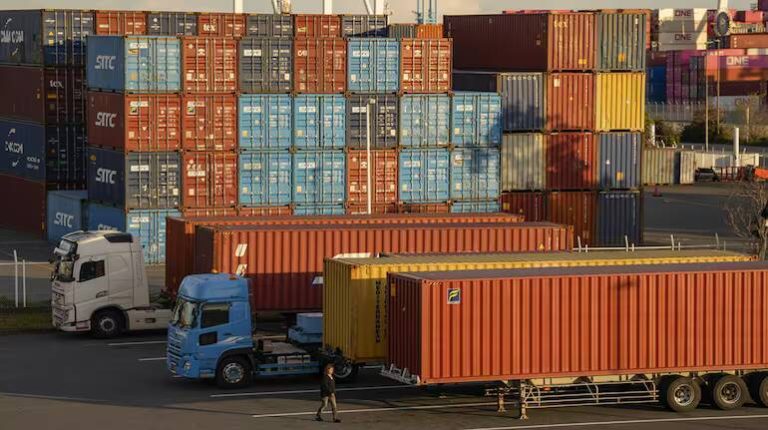
The impact of the tariff on the technology industry is expected to be significant. Companies that rely on imports of advanced AI chips, such as NVIDIA and AMD, are likely to be affected by the tariff. The tariff may also lead to an increase in the cost of products that rely on these chips, such as data center equipment and supercomputers.
However, the tariff may also have a positive impact on the domestic technology industry. By promoting the development of domestic manufacturing capabilities, the tariff may help to create new jobs and stimulate economic growth. The tariff may also help to reduce the country’s reliance on foreign suppliers, and promote the development of a more robust and secure technology supply chain.
The reaction to the tariff from the technology industry has been mixed. Some companies have expressed concern about the potential impact of the tariff on their businesses, while others have welcomed the move as a way to promote the development of the domestic technology industry.
The imposition of the tariff is also seen as a significant development in the ongoing trade tensions between the US and other countries. The US has been imposing tariffs on a range of imports from countries such as China and the EU, and has been working to negotiate new trade agreements that promote the interests of the US technology industry.
In conclusion, the imposition of a 25% tariff on imports of some advanced AI chips is a significant development that is expected to have a major impact on the technology industry. The move is part of a broader effort by the Trump administration to promote the development of a robust domestic technology industry, and to reduce the country’s reliance on foreign suppliers. While the tariff may have a negative impact on some companies, it is also seen as a way to promote the development of a more robust and secure technology supply chain, and to create new jobs and stimulate economic growth.
About the Author