Trump Imposes 25% Tariff on Imports of Some Advanced AI Chips
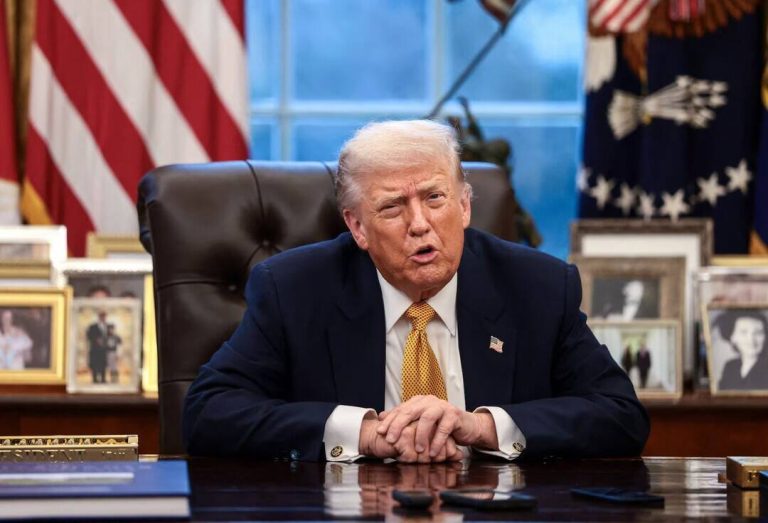
In a move that is expected to have significant implications for the technology industry, US President Donald Trump on Wednesday imposed a 25% tariff on certain advanced AI chips, including the NVIDIA H200 and AMD MI325X. The decision, which was announced by the White House, cited economic and national security risks arising from insufficient domestic production as the reason for the tariff.
The affected chips are used in a variety of applications, including artificial intelligence, machine learning, and high-performance computing. The NVIDIA H200, for example, is a popular choice among datacenter operators and cloud providers, while the AMD MI325X is used in a range of applications, from gaming to professional visualization.
According to the White House, the tariff is intended to address the economic and national security risks posed by the United States’ reliance on foreign sources for these critical components. The administration has long been concerned about the potential risks associated with relying on foreign suppliers for advanced technology, and this move is seen as a way to encourage domestic production and reduce dependence on foreign sources.
However, the move is likely to have significant implications for the technology industry, particularly for companies that rely heavily on imported chips. The 25% tariff will increase the cost of these chips, which could lead to higher prices for consumers and reduced demand. This, in turn, could have a negative impact on the industry as a whole, potentially slowing innovation and growth.
It’s worth noting that chips imported to support the buildout of the US technology supply chain won’t be affected by the tariff. This means that companies that are working to establish domestic production capabilities will not be subject to the same tariffs as those that are importing chips for other purposes. This is seen as a way to encourage domestic production and investment in the US technology industry.
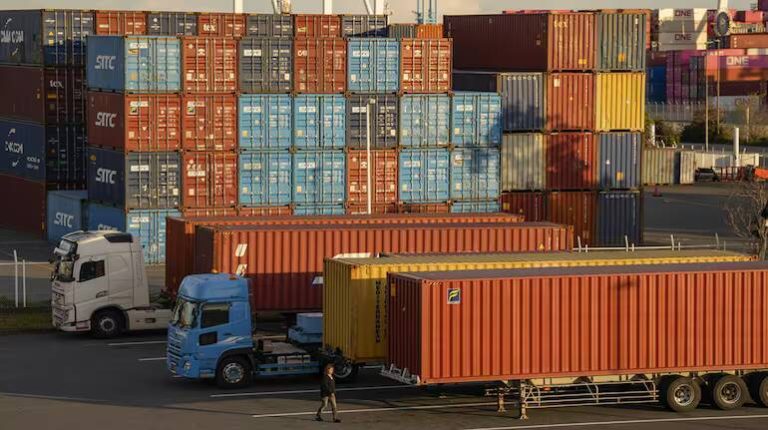
The move is also likely to have significant implications for the global trade landscape. The US has long been a major importer of advanced technology components, and this move could potentially disrupt global supply chains. Countries that export these components to the US, such as China and South Korea, may be negatively impacted by the tariff, which could lead to retaliatory measures and potentially escalate trade tensions.
The technology industry has been quick to respond to the news, with many companies expressing concern about the potential impact of the tariff. Some have argued that the move will increase costs and reduce competitiveness, while others have expressed concerns about the potential impact on innovation and growth.
In a statement, the Semiconductor Industry Association (SIA) expressed concern about the potential impact of the tariff, saying that it “could have unintended consequences, including higher costs for consumers and reduced competitiveness for US companies.” The SIA also noted that the move could potentially disrupt global supply chains and lead to retaliatory measures from other countries.
Others have argued that the move is necessary to address the economic and national security risks posed by the US’s reliance on foreign sources for advanced technology. They point out that the US has a critical need for domestic production of these components, and that the tariff is a necessary step to encourage investment and production in the US.
As the news continues to unfold, it’s clear that the impact of the tariff will be significant. The technology industry will be watching closely as the situation develops, and companies will be working to understand the implications of the move and how to respond.
In the meantime, the US government has made it clear that it is committed to supporting the development of domestic production capabilities for advanced technology components. The White House has announced a range of initiatives aimed at encouraging investment and production in the US, including funding for research and development and support for companies that are working to establish domestic production capabilities.
As the US continues to navigate the complex and evolving landscape of global trade, it’s clear that the imposition of the 25% tariff on advanced AI chips is just the beginning. The move is likely to have significant implications for the technology industry, and companies will need to be prepared to adapt to the changing landscape.
About the Author