Trump Imposes 25% Tariff on Imports of Some Advanced AI Chips
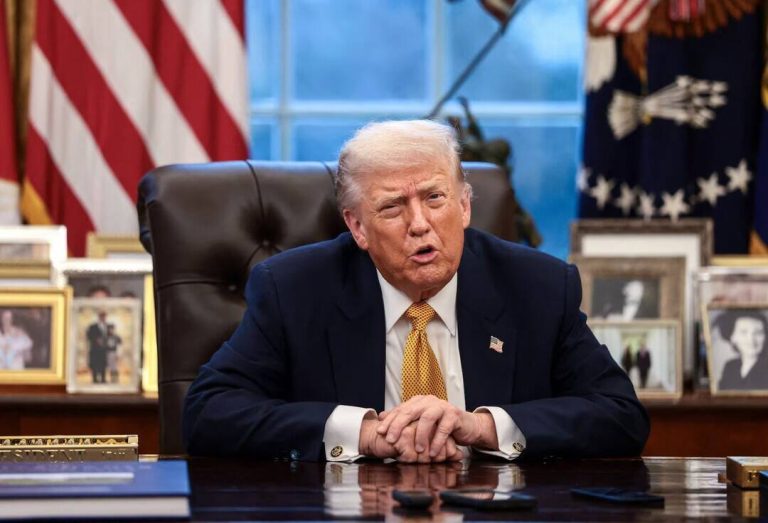
In a move aimed at bolstering domestic production and mitigating economic and national security risks, US President Donald Trump on Wednesday imposed a 25% tariff on certain advanced AI chips. The decision targets specific high-tech products, including the NVIDIA H200 and AMD MI325X, which are crucial components in the development and operation of artificial intelligence (AI) systems. This move is part of a broader strategy to enhance the resilience of the US technology supply chain by encouraging the production of critical components within the country.
The White House justified the imposition of the tariff by citing the economic and national security risks that arise from the insufficient domestic production of these advanced chips. The reliance on foreign suppliers for such critical components can expose the US to potential vulnerabilities, including supply chain disruptions and the risk of technological espionage. By incentivizing domestic production, the Trump administration aims to reduce these risks and ensure that the US maintains a competitive edge in the rapidly evolving field of AI.
The tariff, however, will not apply to chips imported for the purpose of supporting the buildout of the US technology supply chain. This exemption is designed to encourage investment in domestic manufacturing capabilities, thereby fostering a more robust and self-sufficient tech industry. The White House has signaled its commitment to supporting companies that are willing to invest in the US, with the goal of creating a more resilient and innovative technology sector.
The imposition of the tariff on advanced AI chips reflects a growing trend of protectionist policies aimed at safeguarding national interests in the tech sector. As the global economy becomes increasingly dependent on advanced technologies, governments around the world are taking steps to ensure that their countries are not left behind in the race for technological supremacy. The US, in particular, has been vocal about its concerns regarding the dominance of foreign companies in critical sectors, including semiconductor manufacturing.
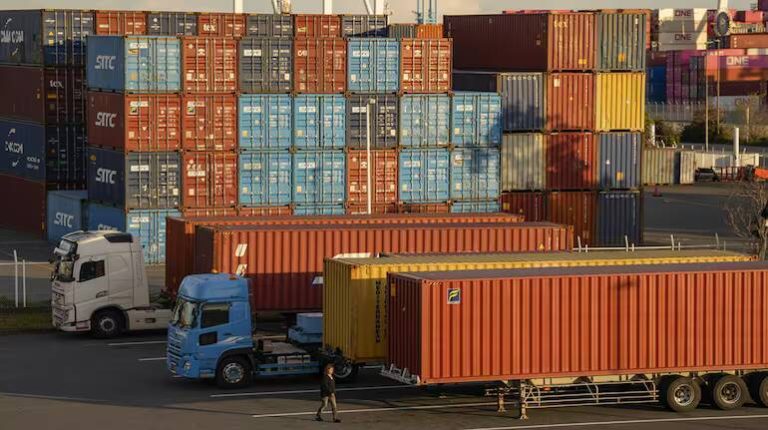
The impact of the tariff on the global tech industry is likely to be significant. Companies that rely heavily on the importation of advanced AI chips, such as those in the data center and cloud computing sectors, may face increased costs and supply chain disruptions. This could lead to higher prices for consumers and potentially slow the pace of innovation in the field of AI. On the other hand, the tariff could also create opportunities for US-based companies to expand their manufacturing capabilities and gain a competitive advantage in the global market.
The reaction from industry leaders has been mixed, with some expressing concern about the potential impact on the global supply chain and others welcoming the move as a necessary step to protect US interests. The Semiconductor Industry Association (SIA) has warned that tariffs on advanced chips could have unintended consequences, including higher costs for consumers and reduced competitiveness for US companies. On the other hand, some US-based manufacturers have expressed support for the tariff, citing the need to level the playing field and create a more favorable business environment for domestic production.
As the global tech industry continues to evolve at a rapid pace, the imposition of the tariff on advanced AI chips serves as a reminder of the complex interplay between technology, economics, and national security. The move by the Trump administration underscores the importance of ensuring that critical components are produced domestically, in order to mitigate risks and maintain a competitive edge. However, it also highlights the need for careful consideration of the potential impacts on the global supply chain and the tech industry as a whole.
In conclusion, the imposition of a 25% tariff on certain advanced AI chips marks a significant development in the US government’s efforts to bolster domestic production and reduce reliance on foreign suppliers. While the move is intended to address economic and national security risks, it is likely to have far-reaching consequences for the global tech industry. As companies and governments navigate this new landscape, it will be essential to balance the need for protectionism with the importance of maintaining a vibrant and innovative tech sector.
About the Author