Trump Imposes 25% Tariff on Imports of Some Advanced AI Chips
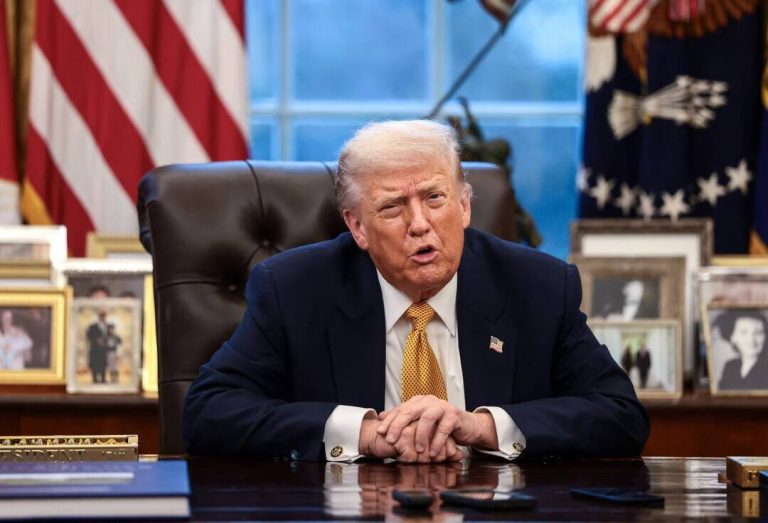
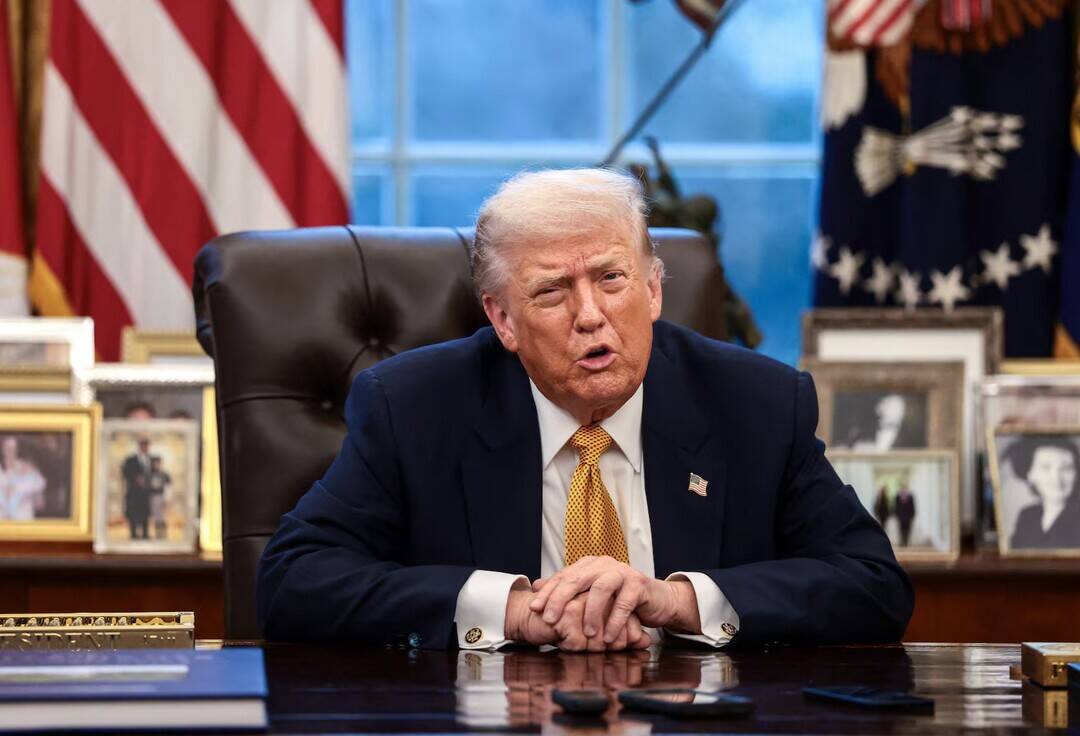
In a move that is set to have significant implications for the tech industry, US President Donald Trump on Wednesday imposed a 25% tariff on certain advanced AI chips, including the NVIDIA H200 and AMD MI325X. The decision, which was announced by the White House, cites economic and national security risks arising from insufficient domestic production as the reason for the tariff.
According to the White House, the tariff is aimed at addressing the country’s reliance on foreign-made advanced computing chips, which are used in a wide range of applications, including artificial intelligence, machine learning, and data analytics. The administration believes that the lack of domestic production of these chips poses a significant risk to the country’s economic and national security, as it makes the US vulnerable to supply chain disruptions and potential espionage.
The tariff will apply to certain advanced AI chips, including those used in high-performance computing, autonomous vehicles, and other cutting-edge technologies. However, chips imported to support the buildout of the US technology supply chain will not be affected, the White House said. This means that companies that are working to establish domestic production of these chips will not be subject to the tariff, providing an incentive for them to invest in US-based manufacturing.
The move is seen as a significant escalation of the US trade policy, which has been focused on reducing the country’s trade deficit and promoting domestic production. The Trump administration has been vocal about its concerns regarding the country’s reliance on foreign-made technology, and has taken several steps to address this issue, including imposing tariffs on imports of steel and aluminum.
The impact of the tariff on the tech industry is likely to be significant, with many companies relying on imported chips to power their products and services. The tariff is expected to increase the cost of these chips, which could lead to higher prices for consumers and reduced profit margins for companies. However, the administration believes that the long-term benefits of promoting domestic production will outweigh the short-term costs.
The decision to impose a tariff on advanced AI chips has been welcomed by some industry leaders, who believe that it will help to promote domestic production and reduce the country’s reliance on foreign-made technology. However, others have expressed concerns that the tariff will harm the competitiveness of US companies, which will be forced to pay higher prices for the chips they need to power their products and services.
The move is also seen as a significant development in the ongoing trade tensions between the US and other countries, particularly China. The US has been critical of China’s trade practices, including its requirement that foreign companies transfer their technology to Chinese partners in order to do business in the country. The imposition of a tariff on advanced AI chips is seen as a way for the US to level the playing field and promote domestic production, rather than relying on imports from countries with which it has significant trade deficits.
In conclusion, the imposition of a 25% tariff on imports of certain advanced AI chips is a significant development that is likely to have far-reaching implications for the tech industry. While the move is seen as a way to promote domestic production and reduce the country’s reliance on foreign-made technology, it is also likely to increase costs for companies and consumers. As the US continues to navigate the complex and ever-changing landscape of international trade, it remains to be seen how this decision will play out and what the long-term consequences will be.
News Source: https://www.reuters.com/world/us/trump-imposes-25-tariff-imports-some-advanced-computing-chips-2026-01-14/
About the Author