Trump Imposes 25% Tariff on Imports of Some Advanced AI Chips
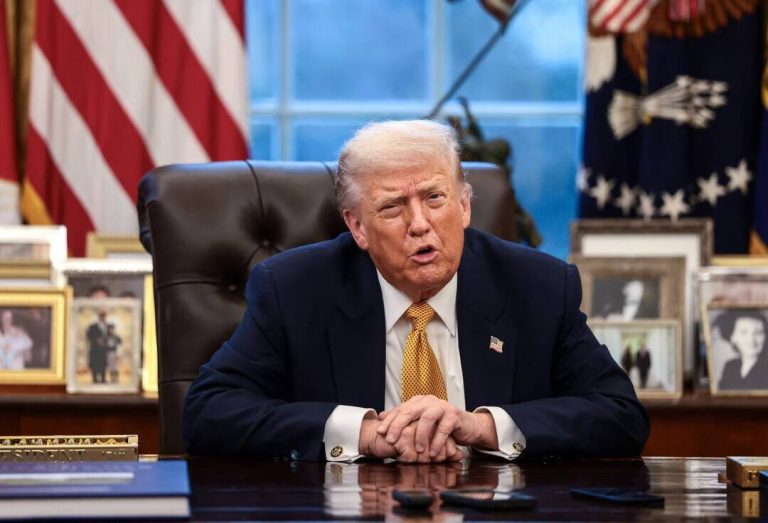
In a move that is set to have significant implications for the technology industry, US President Donald Trump on Wednesday imposed a 25% tariff on certain advanced AI chips, including the NVIDIA H200 and AMD MI325X. The decision, which was announced by the White House, cited economic and national security risks arising from insufficient domestic production as the reason for the tariff.
The tariff, which will affect a range of advanced computing chips used in applications such as artificial intelligence, machine learning, and data analytics, is intended to encourage the development of a more robust domestic technology supply chain. According to the White House, the move is necessary to reduce the country’s reliance on foreign-made chips, which are seen as a critical component of the US technology sector.
The NVIDIA H200 and AMD MI325X chips, which are among the most advanced AI chips on the market, are used in a range of applications, including cloud computing, autonomous vehicles, and medical research. The imposition of a 25% tariff on these chips is likely to increase their cost, which could have a significant impact on the companies that rely on them.
However, the White House has stated that chips imported to support the buildout of the US technology supply chain will not be affected by the tariff. This move is intended to encourage the development of a more robust domestic technology sector, while also reducing the country’s reliance on foreign-made chips.
The imposition of the tariff has been welcomed by some industry leaders, who see it as a necessary step to protect the US technology sector from the risks associated with insufficient domestic production. “The US needs to take steps to protect its technology sector from the risks associated with relying on foreign-made chips,” said one industry executive. “This tariff is a step in the right direction, and we hope it will encourage the development of a more robust domestic technology supply chain.”
However, others have expressed concerns about the impact of the tariff on the industry. “The imposition of a 25% tariff on advanced AI chips will increase their cost, which could have a significant impact on the companies that rely on them,” said another industry executive. “This could lead to higher prices for consumers, and could also reduce the competitiveness of US companies in the global market.”
The move is also likely to have significant implications for the global technology industry, which is heavily reliant on the US market. Companies such as NVIDIA and AMD, which are among the largest manufacturers of advanced AI chips, are likely to be affected by the tariff, as are companies that rely on these chips, such as Google, Amazon, and Facebook.
The imposition of the tariff is also likely to lead to a response from other countries, which may impose their own tariffs on US-made technology products. This could lead to a trade war, which could have significant implications for the global economy.
In conclusion, the imposition of a 25% tariff on certain advanced AI chips by US President Donald Trump is a significant move that is set to have far-reaching implications for the technology industry. While the move is intended to protect the US technology sector from the risks associated with insufficient domestic production, it is also likely to have significant implications for the global industry, and could lead to a trade war.
The impact of the tariff will depend on a range of factors, including the response of other countries, and the ability of US companies to adapt to the new trade environment. However, one thing is clear: the imposition of the tariff is a significant move that will have significant implications for the technology industry, and will be closely watched by industry leaders and policymakers around the world.
As the situation continues to unfold, it will be important to monitor the impact of the tariff, and to assess its implications for the US technology sector, and the global industry as a whole. The move is a significant one, and is set to have far-reaching implications for the technology industry, and the global economy.
About the Author