Trump Imposes 25% Tariff on Imports of Some Advanced AI Chips
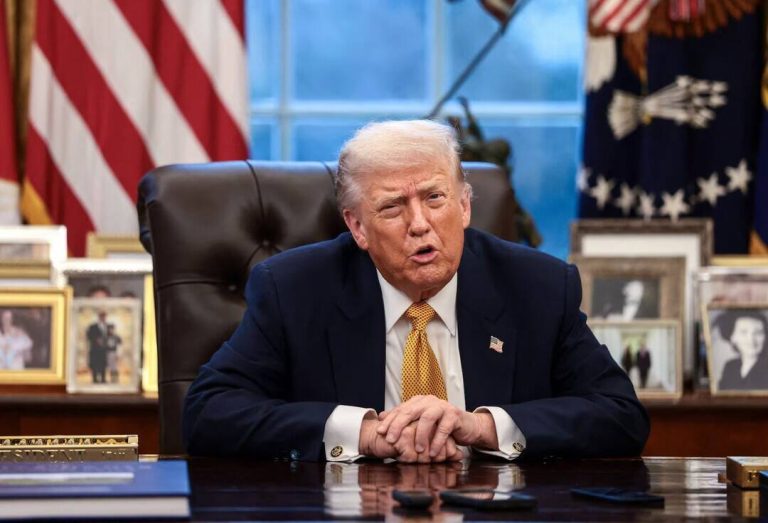
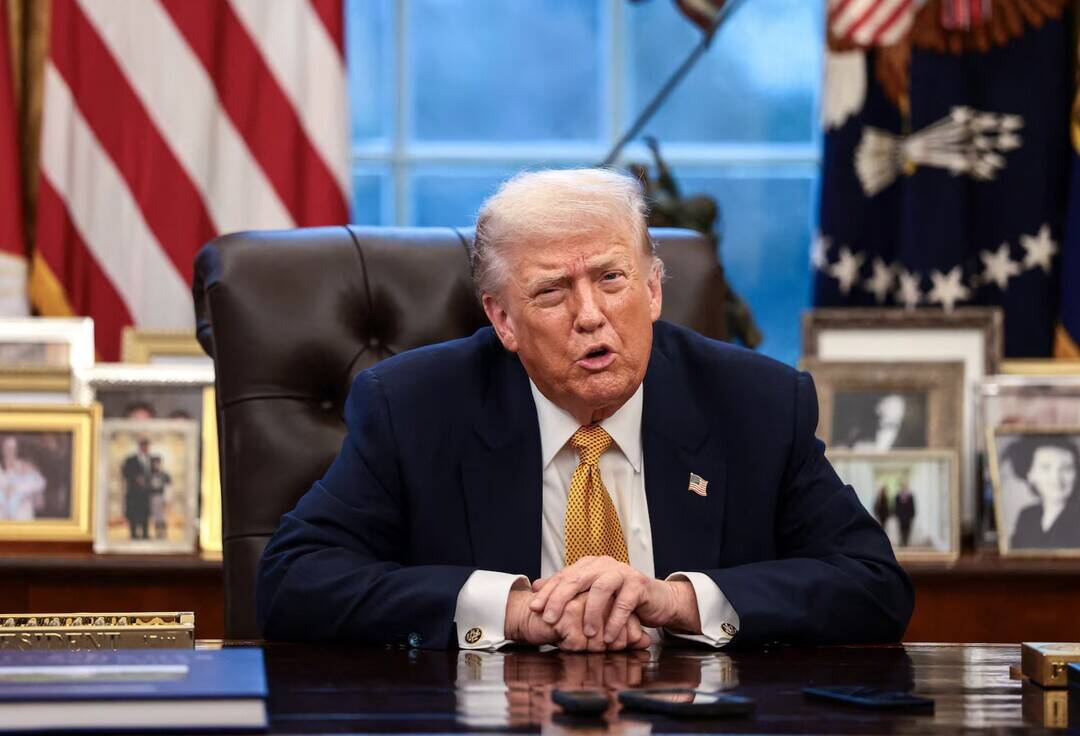
In a move that is expected to have significant implications for the technology industry, US President Donald Trump on Wednesday imposed a 25% tariff on certain advanced AI chips, including the NVIDIA H200 and AMD MI325X. The decision, which was announced by the White House, cites economic and national security risks arising from insufficient domestic production as the reason for the tariff.
According to the White House, the tariff is aimed at addressing the growing concern that the United States is too reliant on foreign countries, particularly China, for the production of advanced computing chips. These chips are used in a wide range of applications, including artificial intelligence, machine learning, and data analytics, and are considered critical to the development of emerging technologies such as autonomous vehicles and smart cities.
The tariff will apply to certain advanced AI chips that are used in high-performance computing applications, including those used in data centers, cloud computing, and supercomputing. However, chips imported to support the buildout of the US technology supply chain will not be affected, the White House said. This means that companies that are working to establish or expand their manufacturing presence in the United States will not be subject to the tariff.
The move is seen as a way to encourage domestic production of advanced computing chips and to reduce the country’s reliance on foreign suppliers. The White House has argued that the tariff is necessary to protect national security and to prevent the United States from becoming too dependent on foreign countries for critical technologies.
The impact of the tariff is expected to be significant, with many companies in the technology industry likely to be affected. NVIDIA and AMD, the two companies whose chips are specifically mentioned in the announcement, are likely to be among the hardest hit. Both companies have significant manufacturing operations outside of the United States, and the tariff could increase the cost of their products for US customers.
Other companies that are likely to be affected include data center operators and cloud computing providers, who rely heavily on advanced computing chips to power their operations. These companies may be forced to absorb the increased cost of the tariff, or pass it on to their customers in the form of higher prices.
The reaction to the tariff has been mixed, with some industry executives and experts arguing that it is a necessary step to protect national security and promote domestic production. Others have expressed concerns that the tariff could harm the US technology industry, by increasing costs and reducing competitiveness.
Some have also argued that the tariff could have unintended consequences, such as encouraging companies to establish manufacturing operations in other countries that are not subject to the tariff. This could ultimately lead to a reduction in US manufacturing jobs and a decrease in the country’s competitiveness in the global technology industry.
The move is also seen as a part of a broader effort by the Trump administration to address concerns about the security of the US technology supply chain. In recent years, there have been growing concerns about the potential risks associated with relying on foreign countries, particularly China, for the production of critical technologies.
The US government has taken a number of steps to address these concerns, including the establishment of a new agency to oversee the security of the US technology supply chain. The agency, which is known as the Office of the Director of National Intelligence, is responsible for identifying and mitigating risks to the US technology supply chain, and for working with industry partners to promote domestic production of critical technologies.
In conclusion, the imposition of a 25% tariff on certain advanced AI chips is a significant move that is expected to have far-reaching implications for the technology industry. While the move is seen as a way to promote domestic production and reduce the country’s reliance on foreign suppliers, it is also likely to have significant costs and unintended consequences. As the industry continues to evolve and grow, it will be important to monitor the impact of the tariff and to work towards finding solutions that balance the need for national security with the need for competitiveness and innovation.
About the Author