Somalians turned out to have higher IQ than we thought: Trump on $19-bn daycare fraud
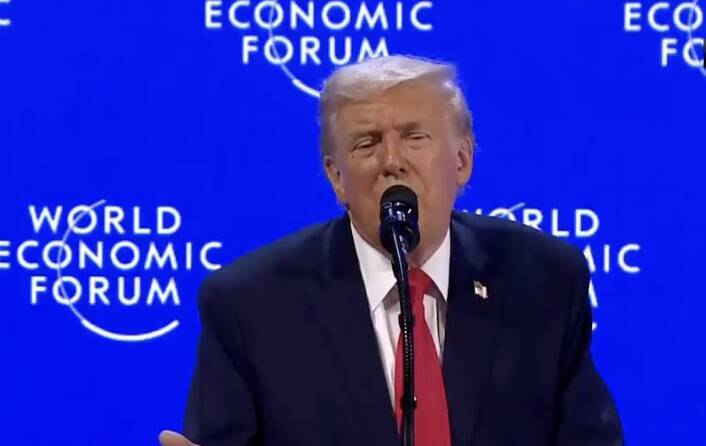
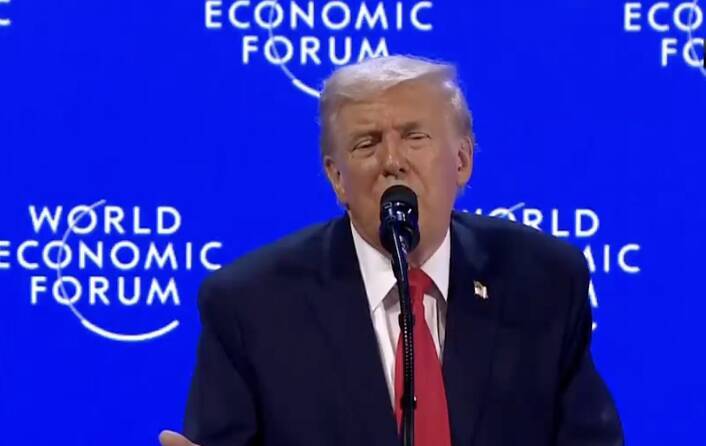
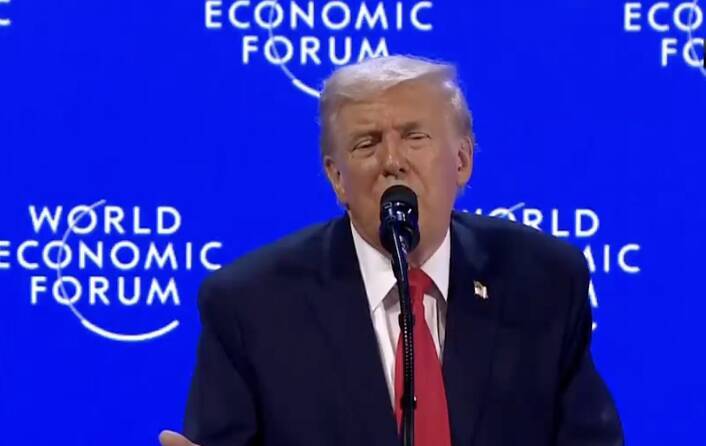
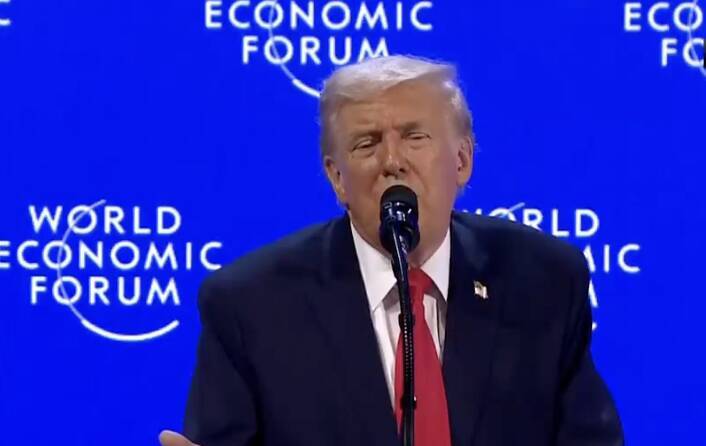
In a recent speech at the World Economic Forum (WEF), US President Donald Trump made some startling claims about Somalian-Americans, sparking widespread controversy and outrage. Trump alleged that Somalian-Americans had committed a staggering $19-billion daycare fraud in the state of Minnesota. His remarks not only raised eyebrows but also drew sharp criticism from various quarters, with many accusing him of peddling misinformation and perpetuating racist stereotypes.
According to Trump, “Can you believe that? Somalians turned out to have a higher IQ than we thought…They are pirates.” These comments have been widely condemned as not only factually incorrect but also deeply offensive. The notion that an entire community can be reduced to a single stereotype, in this case, pirates, is not only inaccurate but also hurtful. It is essential to recognize that such statements can have far-reaching consequences, perpetuating negative attitudes and reinforcing harmful prejudices.
Trump’s comments also targeted Ilhan Omar, a Congresswoman from Minnesota, who was born in Somalia. Referring to her, Trump said, “This fake congressperson…comes from a country that’s not a country and she’s telling us how to run America.” These remarks are not only personal attacks on Omar but also reflect a broader pattern of xenophobic and anti-immigrant sentiment. By questioning Omar’s legitimacy as a Congressperson and implying that she is not American enough, Trump is tapping into a long history of nativist rhetoric that seeks to exclude and marginalize certain groups.
The allegations of a $19-billion daycare fraud, however, remain unsubstantiated. There is no credible evidence to support Trump’s claims, and many experts have pointed out that such a massive scam would have been detected and reported by now. It is essential to approach such claims with a healthy dose of skepticism, recognizing that they may be motivated by a desire to demonize and scapegoat certain communities rather than a genuine concern for facts or truth.
Moreover, Trump’s comments have been widely criticized for their racist and xenophobic undertones. By implying that Somalians are inherently more intelligent or cunning than others, Trump is perpetuating a stereotype that has no basis in fact. Intelligence is a complex and multifaceted trait that cannot be reduced to simplistic or essentialized notions of racial or ethnic identity. Furthermore, by labeling Somalians as “pirates,” Trump is drawing on a long history of negative stereotypes and racist tropes that have been used to justify colonialism, slavery, and other forms of oppression.
The impact of such rhetoric should not be underestimated. Trump’s comments have the potential to fuel hate crimes, discrimination, and other forms of violence against Somalian-Americans and other marginalized communities. By perpetuating negative stereotypes and reinforcing harmful prejudices, Trump is contributing to a toxic climate of intolerance and xenophobia that can have far-reaching and devastating consequences.
In conclusion, Trump’s comments on Somalian-Americans and the alleged $19-billion daycare fraud are not only factually incorrect but also deeply offensive and hurtful. By peddling misinformation and perpetuating racist stereotypes, Trump is contributing to a climate of intolerance and xenophobia that can have far-reaching consequences. It is essential to recognize the harm caused by such rhetoric and to challenge it vigorously, promoting a more nuanced and accurate understanding of the complex issues at stake.
Source: https://x.com/atrupar/status/2013986907684839660
About the Author