Scientists create world’s smallest programmable robots, share pics
In a groundbreaking achievement, researchers from the Universities of Pennsylvania and Michigan have successfully created the world’s smallest fully programmable and autonomous robots. These microscopic swimming machines are capable of independently sensing and responding to their surroundings, paving the way for a new generation of tiny robots that can be used in a variety of applications.
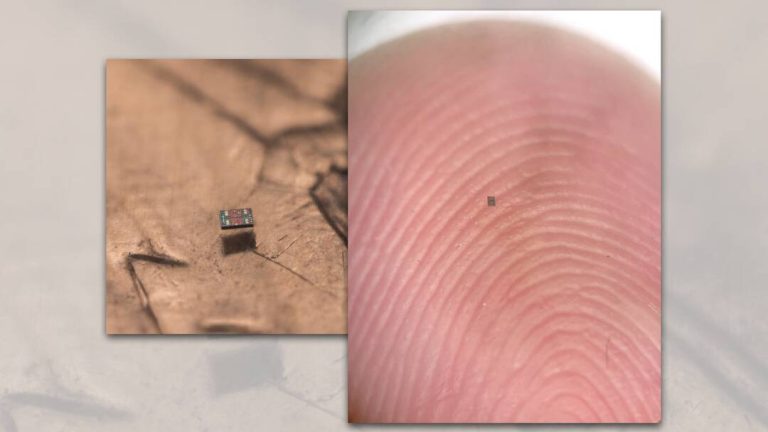
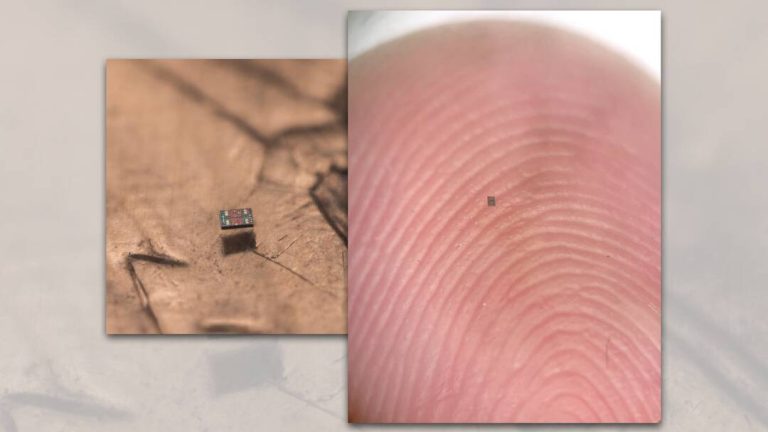
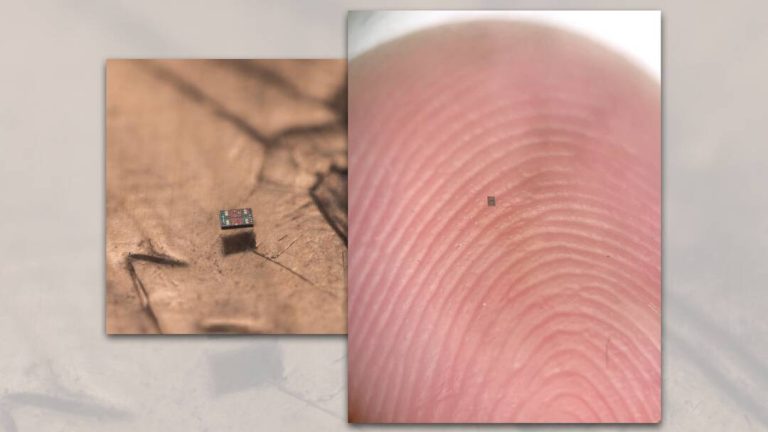
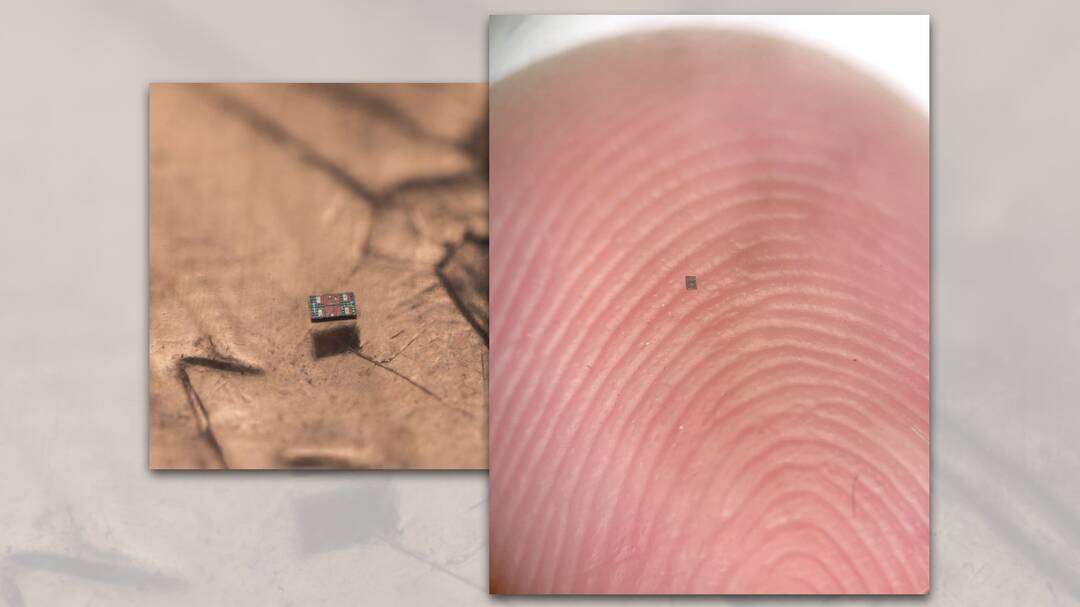
The robot, which is barely visible to the naked eye, measures a mere 0.2 by 0.3 by 0.05 millimeters, making it one of the smallest robots ever created. Despite its tiny size, the robot is fully programmable and can be controlled using a computer program. This means that the robot can be programmed to perform a variety of tasks, from swimming through fluids to interacting with its environment.
One of the most impressive aspects of this tiny robot is its ability to sense and respond to its surroundings. The robot is equipped with sensors that allow it to detect changes in its environment, such as changes in temperature or light. This allows the robot to adapt to its surroundings and make decisions based on the information it receives.
The researchers behind this project have released pictures of the tiny robot, giving us a glimpse into the incredible technology that has gone into creating it. The pictures show the robot swimming through a fluid, its tiny body glinting in the light. It’s hard to believe that something so small can be so powerful and capable.
The cost of producing these tiny robots is also remarkably low, with each unit costing just a penny. This makes them potentially affordable for a wide range of applications, from medical research to environmental monitoring.
The potential uses for these tiny robots are vast and varied. They could be used to swim through the bloodstream to deliver medication or to interact with cells in the body. They could also be used to monitor environmental pollutants or to study the behavior of microorganisms.
The researchers behind this project are excited about the potential of their creation. “These microscopic swimming machines can independently sense and respond to their surroundings,” they stated. “This is a major breakthrough in the field of robotics and has the potential to revolutionize a wide range of applications.”
The creation of these tiny robots is the result of a collaboration between researchers from the Universities of Pennsylvania and Michigan. The team used a combination of advanced materials and technologies to create the robots, including 3D printing and microfabrication.
The robots are made up of a flexible polymer material that allows them to move and flex in response to their surroundings. They are also equipped with tiny sensors and actuators that allow them to sense and respond to their environment.
The researchers used a computer program to control the robots, allowing them to program the robots to perform specific tasks. The program uses a complex algorithm to control the movement of the robots, taking into account factors such as the robot’s speed, direction, and position.
The creation of these tiny robots is a major achievement in the field of robotics and has the potential to revolutionize a wide range of applications. From medical research to environmental monitoring, these robots could be used to study and interact with the world at a microscopic level.
In conclusion, the creation of the world’s smallest fully programmable and autonomous robots is a groundbreaking achievement that has the potential to revolutionize a wide range of applications. These tiny robots are capable of independently sensing and responding to their surroundings, and can be programmed to perform a variety of tasks. With their low cost and potential for widespread use, these robots could have a major impact on fields such as medical research, environmental monitoring, and beyond.
For more information on this story, visit: https://www.seas.upenn.edu/stories/penn-and-umich-create-worlds-smallest-programmable-autonomous-robots/
About the Author