Scientists create world’s smallest programmable robots, share pics
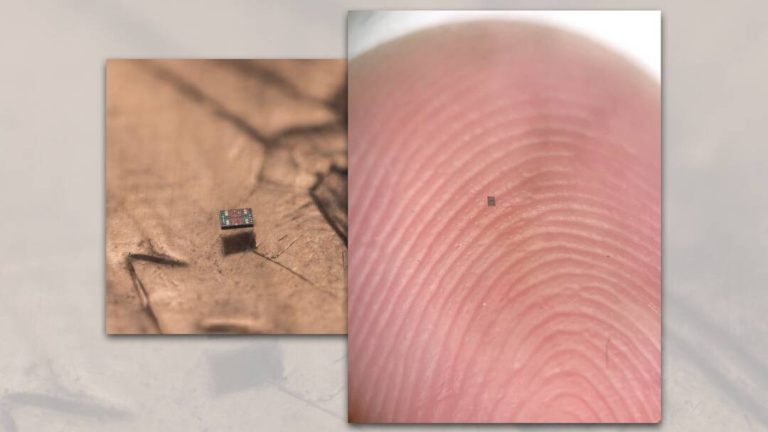
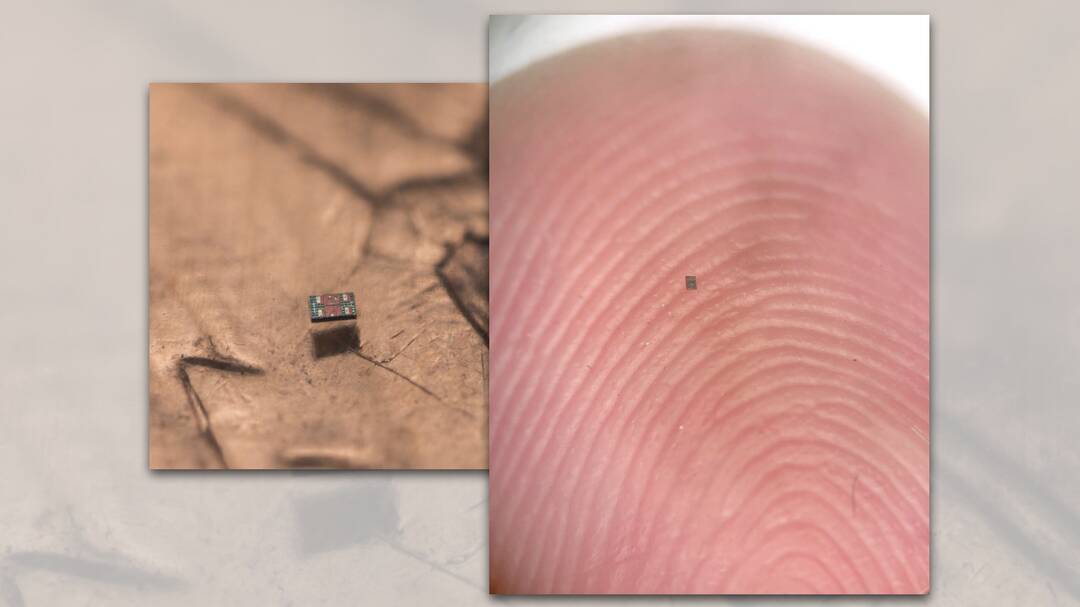
In a groundbreaking achievement, researchers from the Universities of Pennsylvania and Michigan have successfully created the world’s smallest fully programmable and autonomous robots. These microscopic swimming machines are capable of independently sensing and responding to their surroundings, paving the way for a new era of miniaturized robotics. The robots, which are barely visible to the naked eye, measure a mere 0.2 by 0.3 by 0.05 millimeters, making them smaller than a grain of salt.
The creation of these tiny robots is a significant breakthrough in the field of robotics, as it demonstrates the ability to design and manufacture robots that are not only small but also fully functional and autonomous. According to the researchers, the robots can be programmed to perform a variety of tasks, from swimming through fluids to interacting with their environment. This level of programmability and autonomy is unprecedented in robots of this size, and it opens up new possibilities for applications in fields such as medicine, environmental monitoring, and manufacturing.
One of the most impressive aspects of these robots is their ability to sense and respond to their surroundings. They are equipped with sensors that allow them to detect changes in their environment, such as changes in temperature, light, or chemical composition. This allows them to adapt and respond to their surroundings in real-time, making them highly versatile and useful for a wide range of applications.
The robots are also incredibly inexpensive to produce, with a cost of just one penny per unit. This makes them an attractive option for large-scale applications, where the cost of traditional robots might be prohibitive. The low cost and small size of these robots also make them ideal for use in applications where traditional robots might be too large or cumbersome, such as in medical devices or wearable technology.
The researchers behind this breakthrough are thrilled with the potential of their creation. “These microscopic swimming machines can independently sense and respond to their surroundings,” they stated. “This is a major achievement in the field of robotics, and it has the potential to revolutionize the way we approach a wide range of applications.”
The development of these tiny robots is the result of a collaboration between researchers from the Universities of Pennsylvania and Michigan. The team used advanced manufacturing techniques, such as 3D printing and microfabrication, to create the robots. They also developed new programming languages and algorithms that allow the robots to be controlled and coordinated.
The potential applications of these robots are vast and varied. In medicine, they could be used to deliver targeted treatments or to monitor health conditions. In environmental monitoring, they could be used to track changes in water or air quality. In manufacturing, they could be used to inspect and maintain equipment or to assemble tiny components.
The creation of these tiny robots is also a significant achievement in the field of artificial intelligence. The robots’ ability to sense and respond to their surroundings is a key aspect of artificial intelligence, and it demonstrates the potential for AI to be used in a wide range of applications.
In addition to their potential applications, the robots are also incredibly impressive from a technical standpoint. The fact that they can be programmed and controlled remotely, and that they can interact with their environment in real-time, is a testament to the advanced technology that has gone into their development.
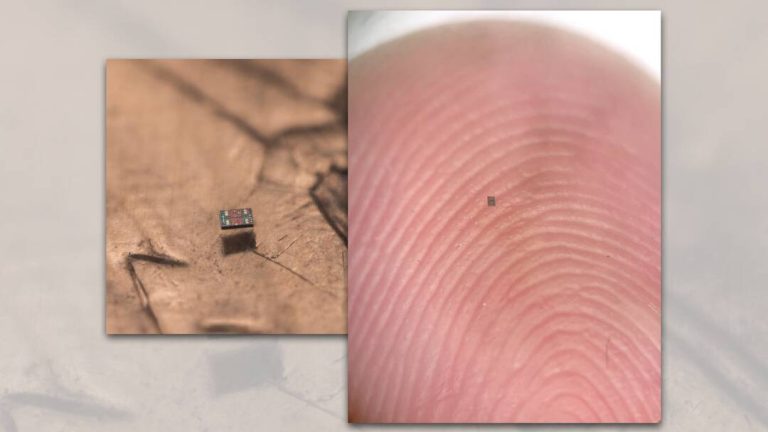
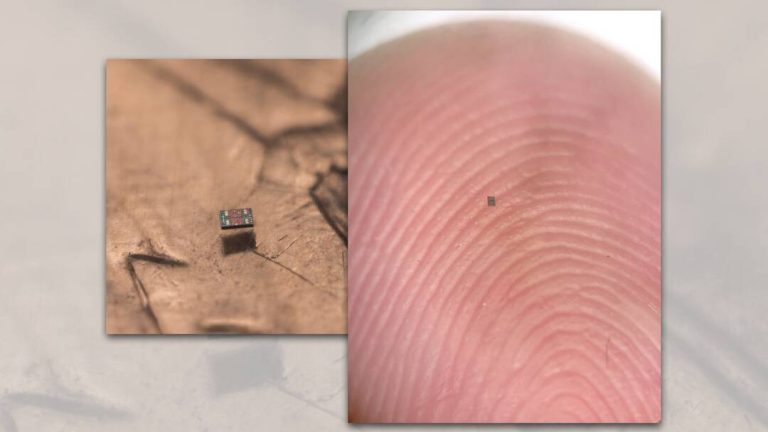
The researchers have shared pictures of the robots, which show their tiny size and intricate design. The pictures are a fascinating glimpse into the world of miniaturized robotics, and they demonstrate the incredible advances that have been made in this field.
In conclusion, the creation of the world’s smallest fully programmable and autonomous robots is a significant breakthrough in the field of robotics. These tiny machines have the potential to revolutionize a wide range of applications, from medicine to manufacturing, and they demonstrate the incredible advances that have been made in the field of artificial intelligence. With their tiny size, low cost, and advanced capabilities, these robots are an exciting development that is sure to have a major impact in the years to come.
News source: https://www.seas.upenn.edu/stories/penn-and-umich-create-worlds-smallest-programmable-autonomous-robots/
About the Author