Scientists create world’s smallest programmable robots, share pics
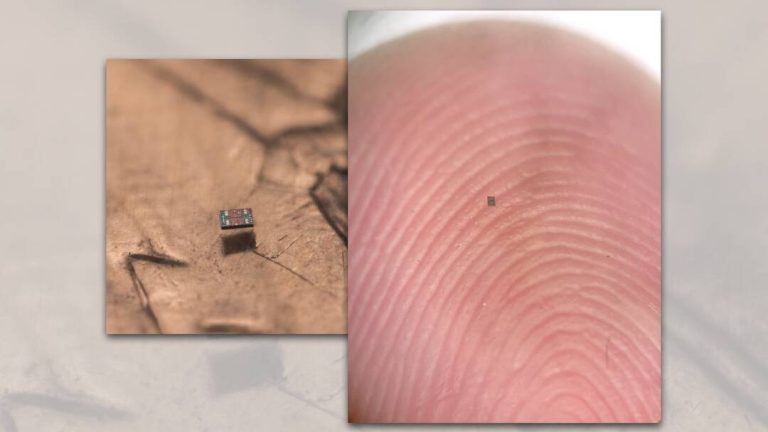
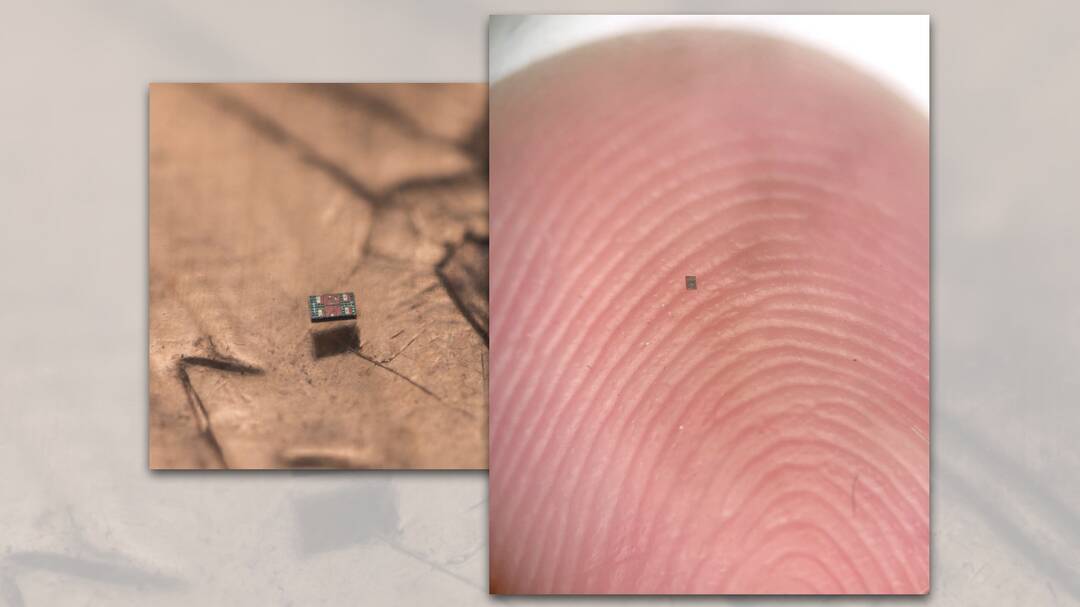
In a groundbreaking achievement, researchers from the Universities of Pennsylvania and Michigan have successfully created the world’s smallest fully programmable and autonomous robots. These microscopic machines, which are barely visible to the naked eye, have the ability to independently sense and respond to their surroundings, paving the way for a new era of miniature robotics.
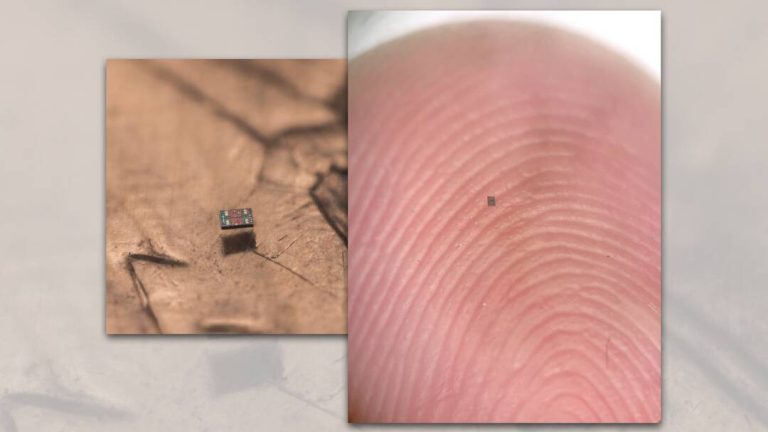
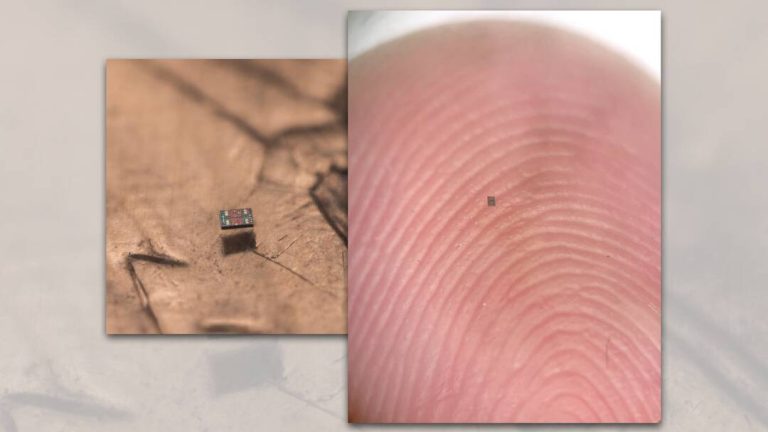
The robots, which measure a mere 0.2 by 0.3 by 0.05 millimeters, are so small that they can be mass-produced at a cost of just one penny per unit. This breakthrough has significant implications for a wide range of fields, including medicine, environmental monitoring, and consumer electronics.
According to the researchers, the robots are capable of swimming through fluids and navigating through complex environments, all while being controlled by a sophisticated programming system. This allows the robots to perform a variety of tasks, from sensing and tracking changes in their surroundings to interacting with other robots and devices.
One of the key features of these microscopic robots is their ability to sense and respond to their environment. They are equipped with advanced sensors that allow them to detect changes in temperature, pH, and other factors, and can adjust their behavior accordingly. This makes them ideal for applications such as environmental monitoring, where they can be used to track changes in water or air quality.
The robots are also highly versatile and can be programmed to perform a wide range of tasks. For example, they can be used to deliver drugs or other payloads to specific locations within the body, or to interact with other robots and devices to achieve complex tasks.
The development of these microscopic robots is the result of a collaboration between researchers from the Universities of Pennsylvania and Michigan. The team used advanced fabrication techniques to create the robots, which are made from a combination of materials including metals, polymers, and ceramics.
The researchers believe that their creation has the potential to revolutionize a wide range of fields, from medicine to consumer electronics. “These microscopic swimming machines can independently sense and respond to their surroundings,” they stated. “This breakthrough has significant implications for a wide range of applications, from environmental monitoring to medical diagnostics.”
The robots are also highly efficient and can operate for long periods of time using minimal power. This makes them ideal for applications where power consumption is a concern, such as in wearable devices or implantable sensors.
The creation of these microscopic robots is a significant achievement that has the potential to transform a wide range of industries. With their advanced sensors, programmable behavior, and low cost, they are poised to revolutionize fields such as medicine, environmental monitoring, and consumer electronics.
In the field of medicine, these robots could be used to deliver targeted therapies, such as cancer treatments or gene therapies. They could also be used to monitor health conditions, such as diabetes or heart disease, and provide real-time feedback to patients and healthcare providers.
In environmental monitoring, these robots could be used to track changes in water or air quality, and provide early warnings of potential hazards. They could also be used to monitor soil health and provide insights into the impact of climate change on ecosystems.
In consumer electronics, these robots could be used to create new types of interactive devices, such as smart home appliances or wearable sensors. They could also be used to create new types of gaming experiences, such as interactive toys or virtual reality interfaces.
Overall, the creation of the world’s smallest fully programmable and autonomous robots is a significant achievement that has the potential to transform a wide range of industries. With their advanced sensors, programmable behavior, and low cost, they are poised to revolutionize fields such as medicine, environmental monitoring, and consumer electronics.
The researchers have shared pictures of the robots, which can be seen swimming through fluids and navigating through complex environments. The images provide a glimpse into the fascinating world of microscopic robotics and demonstrate the potential of these tiny machines to transform a wide range of fields.
In conclusion, the creation of the world’s smallest fully programmable and autonomous robots is a groundbreaking achievement that has significant implications for a wide range of fields. With their advanced sensors, programmable behavior, and low cost, these microscopic machines are poised to revolutionize industries such as medicine, environmental monitoring, and consumer electronics.
About the Author