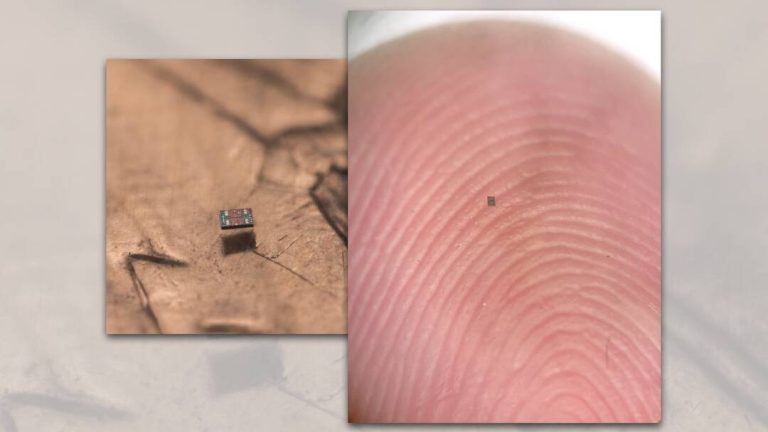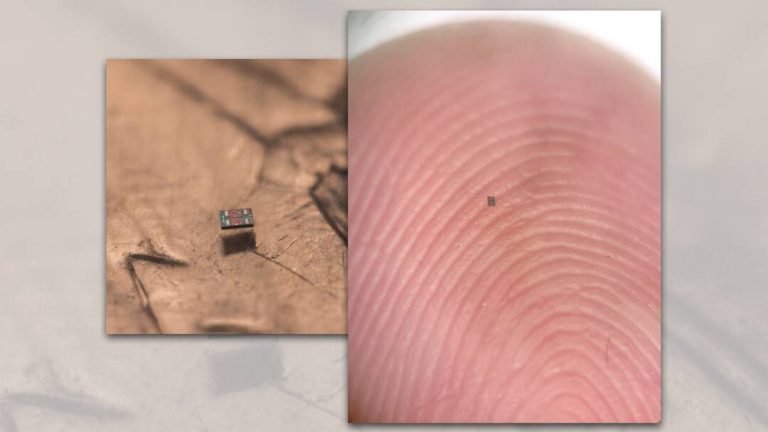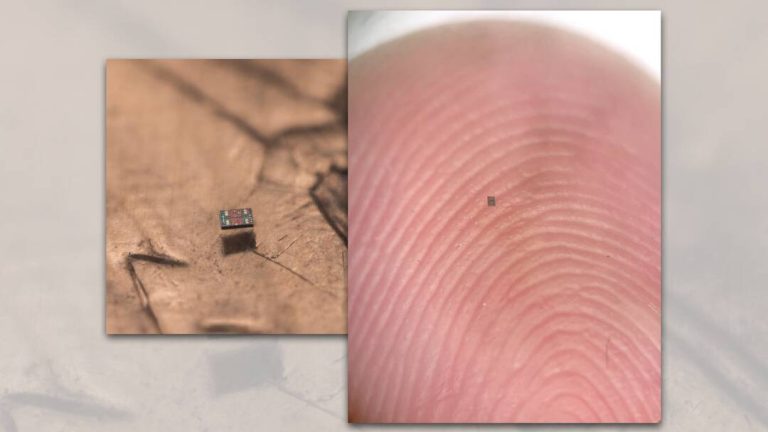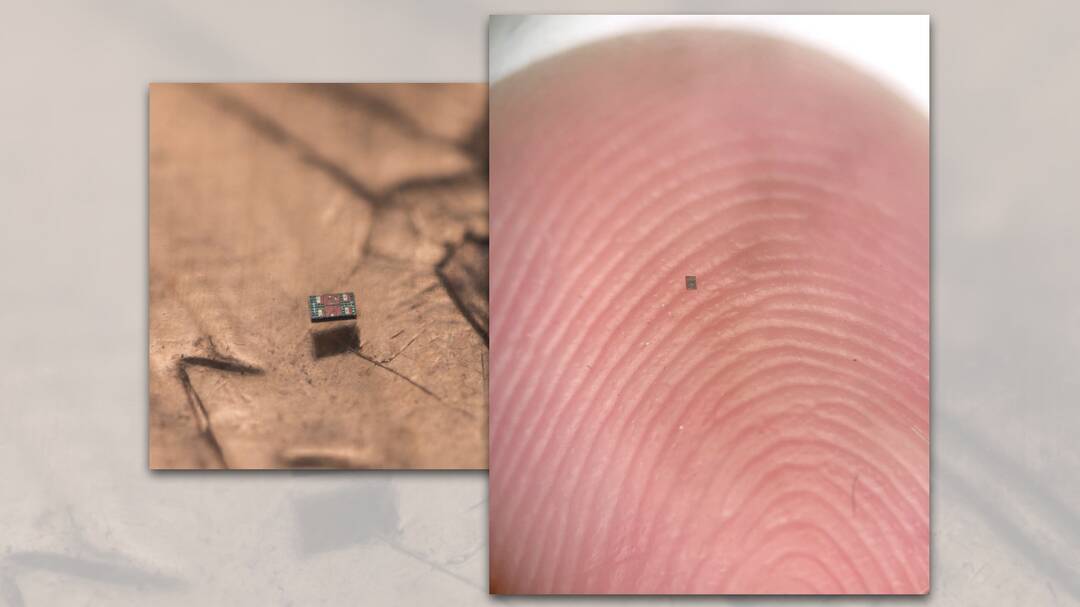
Scientists create world’s smallest programmable robots, share pics
In a groundbreaking achievement, researchers from the Universities of Pennsylvania and Michigan have successfully created the world’s smallest fully programmable and autonomous robots. These microscopic swimming machines are capable of independently sensing and responding to their surroundings, marking a significant milestone in the field of robotics. The robots, which are barely visible to the naked eye, measure a mere 0.2 by 0.3 by 0.05 millimeters in size and can be manufactured at a cost of just one penny per unit.
The creation of these tiny robots is a testament to the rapid advancements being made in the field of robotics and artificial intelligence. The researchers behind this project have developed a new approach to building robots that are not only smaller but also more efficient and capable of performing complex tasks. The robots are equipped with a range of sensors and actuators that allow them to navigate and interact with their environment in a highly autonomous manner.
One of the key features of these robots is their ability to swim through fluids with ease, making them ideal for applications in fields such as medicine and environmental monitoring. The robots can be programmed to perform a range of tasks, from navigating through narrow channels to detecting and responding to specific stimuli. This level of programmability and autonomy is unprecedented in robots of this size, and it opens up a wide range of possibilities for their use in various industries and applications.
The researchers used a novel manufacturing technique to create the robots, which involves layering and patterning different materials to create the desired shape and structure. This approach allows for the creation of complex geometries and functionalities that would be difficult or impossible to achieve using traditional manufacturing methods. The result is a robot that is not only incredibly small but also highly sophisticated and capable.
The potential applications of these tiny robots are vast and varied. In the field of medicine, they could be used to deliver targeted therapies or to navigate through the bloodstream to detect and treat diseases. In environmental monitoring, they could be used to track and respond to changes in water quality or to detect and clean up pollutants. The robots could also be used in search and rescue operations, where their small size and agility would allow them to navigate through rubble and debris to locate survivors.
The cost-effectiveness of these robots is also a significant factor in their potential impact. At a cost of just one penny per unit, they are an order of magnitude cheaper than many other types of robots on the market. This makes them highly accessible to researchers, industries, and individuals who may not have the resources to invest in more expensive robotic systems.
The researchers behind this project are excited about the potential of their creation and are already exploring new applications and uses for the robots. They are also working to further miniaturize the robots and to improve their functionality and capabilities. As the field of robotics continues to evolve and advance, it is likely that we will see even more innovative and groundbreaking developments in the years to come.
In conclusion, the creation of the world’s smallest fully programmable and autonomous robots is a significant achievement that has the potential to revolutionize a wide range of industries and applications. The researchers from the Universities of Pennsylvania and Michigan have demonstrated the power of innovation and collaboration, and their work is sure to inspire and motivate others to push the boundaries of what is possible in the field of robotics.
For more information on this groundbreaking project, please visit the news source at https://www.seas.upenn.edu/stories/penn-and-umich-create-worlds-smallest-programmable-autonomous-robots/
The development of these tiny robots is a testament to human ingenuity and the relentless pursuit of innovation. As we continue to explore the possibilities of robotics and artificial intelligence, it is exciting to think about the potential applications and implications of these technologies. From healthcare and environmental monitoring to search and rescue and beyond, the potential uses of these tiny robots are vast and varied.
The future of robotics is likely to be shaped by advancements in areas such as artificial intelligence, machine learning, and nanotechnology. As these fields continue to evolve and intersect, we can expect to see even more sophisticated and capable robots that are capable of performing complex tasks with greater precision and autonomy.
The creation of the world’s smallest fully programmable and autonomous robots is a significant milestone in the history of robotics, and it marks an important step forward in the development of more sophisticated and capable robotic systems. As researchers and engineers continue to push the boundaries of what is possible, we can expect to see even more innovative and groundbreaking developments in the years to come.
In the meantime, the potential applications of these tiny robots are vast and varied, and it will be exciting to see how they are used in different industries and applications. From the lab to the factory floor, these robots have the potential to revolutionize the way we work and interact with the world around us.
The researchers behind this project have demonstrated the power of collaboration and innovation, and their work is sure to inspire and motivate others to pursue careers in science, technology, engineering, and mathematics (STEM). As we continue to explore the possibilities of robotics and artificial intelligence, it is exciting to think about the potential discoveries and innovations that await us in the years to come.
For more information on this groundbreaking project, please visit the news source at https://www.seas.upenn.edu/stories/penn-and-umich-create-worlds-smallest-programmable-autonomous-robots/
News Source: https://www.seas.upenn.edu/stories/penn-and-umich-create-worlds-smallest-programmable-autonomous-robots/
About the Author