Scientists create world’s smallest programmable robots, share pics
In a groundbreaking achievement, researchers from the Universities of Pennsylvania and Michigan have successfully created the world’s smallest fully programmable and autonomous robots. These microscopic swimming machines are capable of independently sensing and responding to their surroundings, paving the way for a new generation of miniature robots that can be used in a wide range of applications.
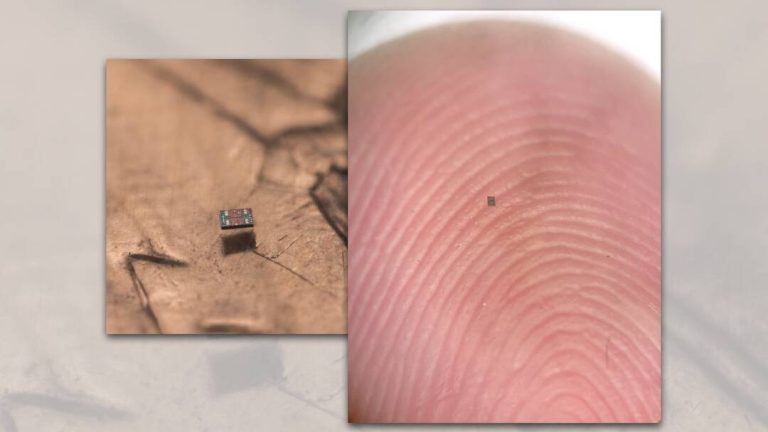
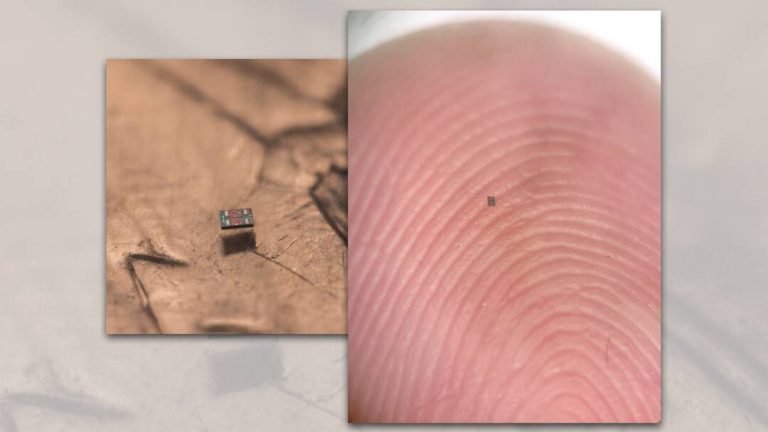
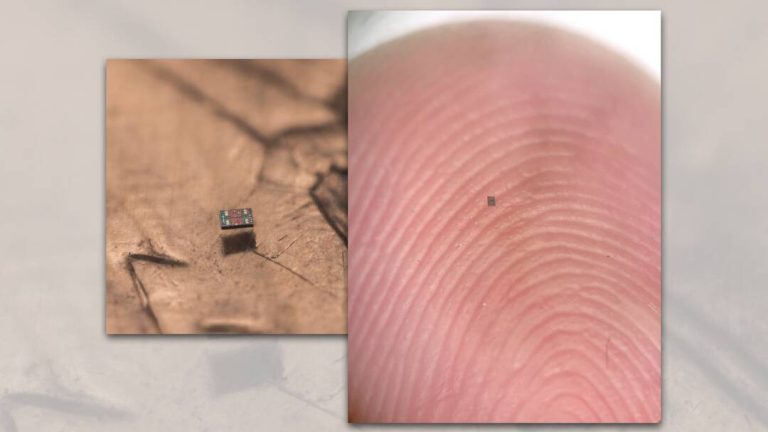
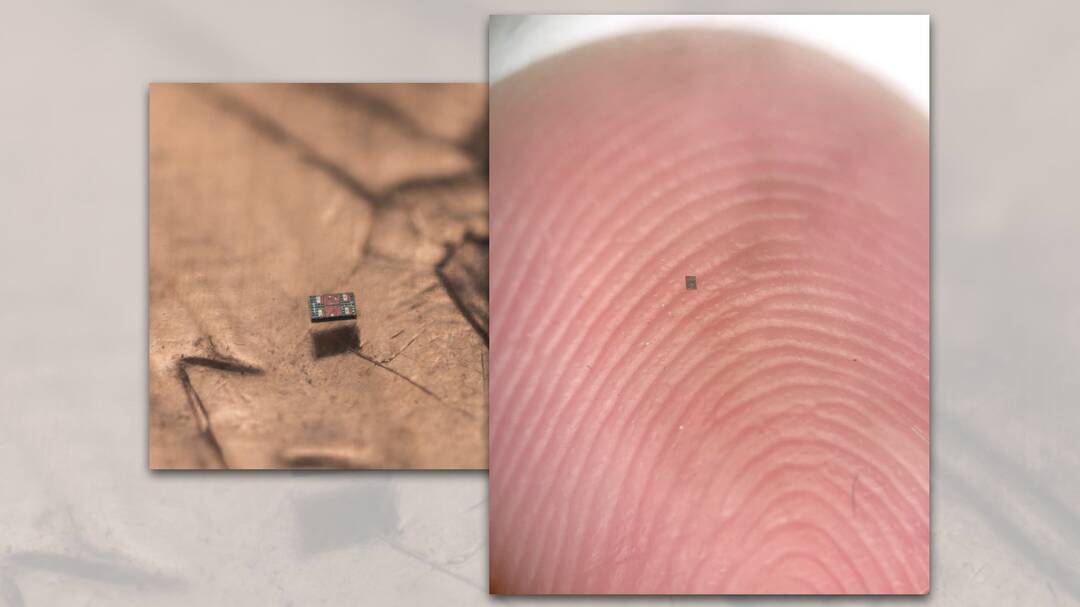
The robot, which measures a mere 0.2 by 0.3 by 0.05 millimeters, is barely visible to the naked eye. Despite its incredibly small size, the robot is fully programmable and can be controlled to perform a variety of tasks. The researchers behind the project have stated that the robot can “independently sense and respond to their surroundings,” making it a significant breakthrough in the field of robotics.
One of the most impressive aspects of the robot is its cost. According to the researchers, each unit costs just a penny, making it an extremely affordable option for a wide range of applications. The low cost of the robot is due in part to its simple design, which uses a combination of materials and manufacturing techniques to create a highly efficient and effective machine.
The robot’s design is based on a combination of microelectromechanical systems (MEMS) and soft robotics. The MEMS components provide the robot’s sensing and actuation capabilities, while the soft robotics components allow the robot to move and interact with its surroundings. The researchers used a technique called “microassembly” to combine the different components of the robot, which involves using tiny amounts of material to create complex structures.
The robot’s programming is based on a simple yet effective algorithm that allows it to sense and respond to its surroundings. The algorithm uses a combination of sensors and actuators to control the robot’s movement and interaction with its environment. The researchers have demonstrated the robot’s capabilities by programming it to perform a variety of tasks, including swimming through a fluid and interacting with other objects.
The potential applications of the robot are vast and varied. The researchers envision using the robot in a wide range of fields, including medicine, environmental monitoring, and consumer products. For example, the robot could be used to deliver medication to specific locations within the body, or to monitor water quality in remote locations.
The robot’s small size and low cost also make it an attractive option for use in swarms. By deploying large numbers of the robots, researchers could create complex systems that can interact and adapt to their surroundings in real-time. This could have significant implications for a wide range of fields, including search and rescue, environmental monitoring, and consumer products.
The researchers behind the project are excited about the potential of their creation and are already working on new applications and improvements. “We’re just starting to scratch the surface of what’s possible with these robots,” said one of the researchers. “We’re looking forward to exploring new ways to use them and to pushing the boundaries of what’s possible with miniature robotics.”
The creation of the world’s smallest programmable robot is a significant achievement that has the potential to revolutionize a wide range of fields. With its small size, low cost, and advanced capabilities, the robot is poised to make a major impact on the world of robotics and beyond.
In conclusion, the world’s smallest programmable robot is a groundbreaking achievement that has the potential to revolutionize a wide range of fields. With its small size, low cost, and advanced capabilities, the robot is poised to make a major impact on the world of robotics and beyond. As researchers continue to explore new applications and improvements, it will be exciting to see what the future holds for this tiny but powerful machine.
News Source: https://www.seas.upenn.edu/stories/penn-and-umich-create-worlds-smallest-programmable-autonomous-robots/
About the Author