Scientists create world’s smallest programmable robots, share pics
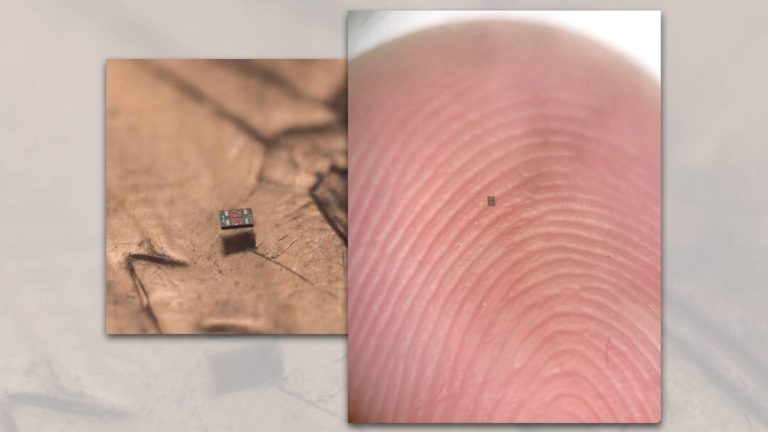
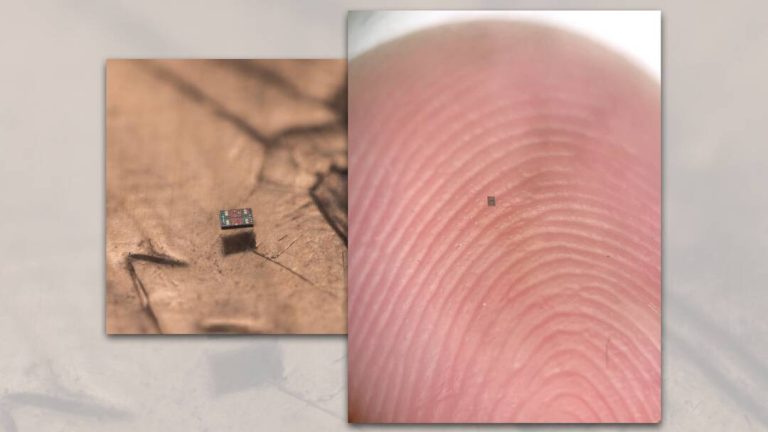
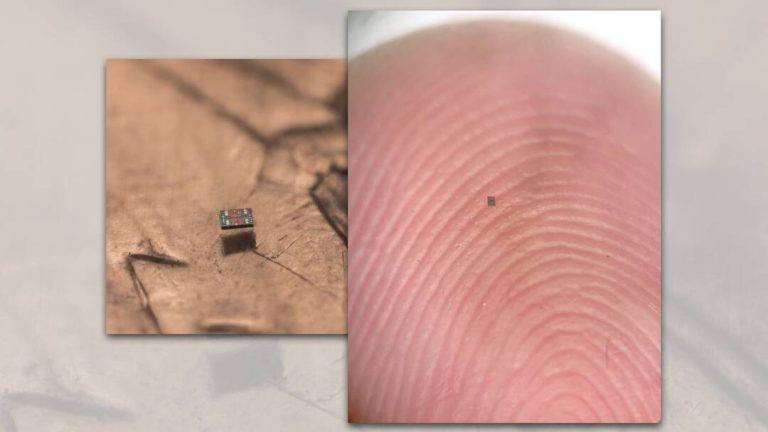
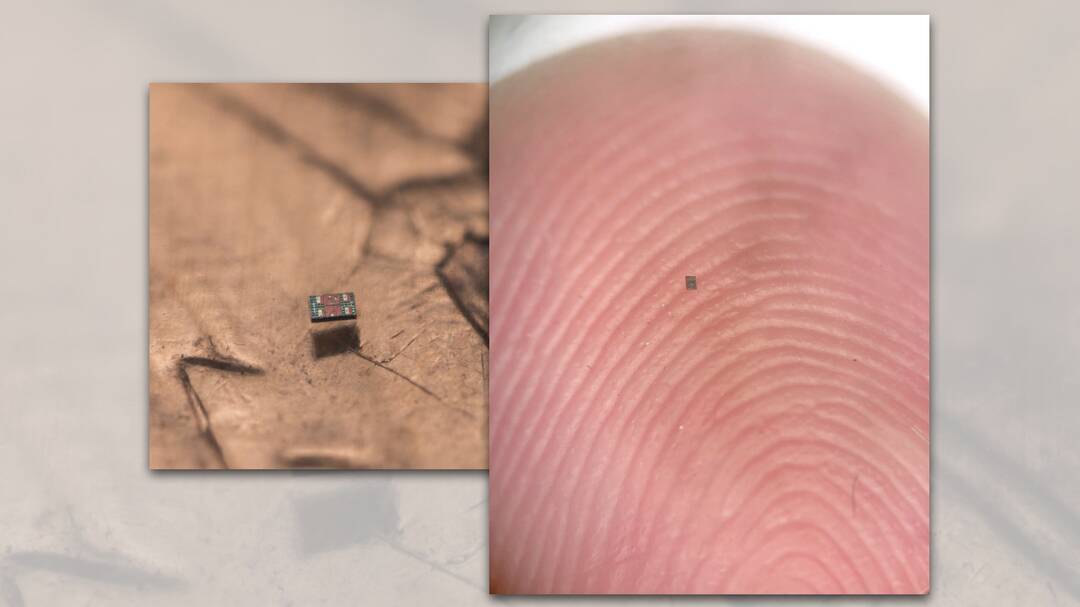
In a groundbreaking achievement, researchers from the Universities of Pennsylvania and Michigan have successfully created the world’s smallest fully programmable and autonomous robots. These microscopic swimming machines are capable of independently sensing and responding to their surroundings, opening up new possibilities for a wide range of applications. The robot, which measures a mere 0.2 by 0.3 by 0.05 millimeters, is barely visible to the naked eye and costs a staggering penny per unit.
The creation of these tiny robots is a significant breakthrough in the field of robotics and artificial intelligence. The researchers have designed the robots to be fully programmable, allowing them to perform a variety of tasks and adapt to different situations. This level of autonomy and programmability is unprecedented in robots of this size, and it has the potential to revolutionize the way we approach robotics and artificial intelligence.
One of the most significant advantages of these tiny robots is their ability to sense and respond to their surroundings. They are equipped with sensors that allow them to detect changes in their environment and adjust their behavior accordingly. This ability to adapt to different situations makes them highly versatile and useful for a wide range of applications.
The researchers have shared pictures of the robots, which show their incredibly small size and complex design. The robots are made up of a series of tiny components, including sensors, actuators, and a power source. Despite their small size, the robots are capable of performing a wide range of tasks, from swimming through fluids to interacting with their environment.
The potential applications of these tiny robots are vast and varied. They could be used in a wide range of fields, including medicine, environmental monitoring, and search and rescue operations. For example, they could be used to swim through the bloodstream to deliver medication or to monitor water quality in remote areas.
The cost of the robots is also a significant factor in their potential impact. At a cost of just one penny per unit, they are highly affordable and could be used in large numbers to perform complex tasks. This could be particularly useful in applications where a large number of robots are needed to achieve a specific goal, such as searching for survivors in a disaster zone.
The researchers behind the project are excited about the potential of their creation and are already exploring new ways to use the robots. They believe that the tiny robots could have a significant impact on a wide range of fields and are working to develop new applications and technologies.
The creation of the world’s smallest programmable robots is a significant achievement that has the potential to revolutionize the field of robotics and artificial intelligence. The researchers’ ability to create robots that are not only small but also fully programmable and autonomous is a major breakthrough, and it opens up new possibilities for a wide range of applications.
In conclusion, the world’s smallest programmable robots are a significant achievement that has the potential to make a major impact on a wide range of fields. Their ability to sense and respond to their surroundings, combined with their small size and affordability, makes them highly versatile and useful. As the researchers continue to develop new applications and technologies, it will be exciting to see the impact that these tiny robots have on the world.
The researchers’ work on the tiny robots is a testament to the power of innovation and the potential for breakthroughs in science and technology. As we continue to push the boundaries of what is possible, we can expect to see even more exciting developments in the field of robotics and artificial intelligence.
For more information on the world’s smallest programmable robots, including pictures and videos, please visit the University of Pennsylvania’s website. The researchers’ work on the project is a significant achievement, and it will be exciting to see the impact that these tiny robots have on the world.
News Source: https://www.seas.upenn.edu/stories/penn-and-umich-create-worlds-smallest-programmable-autonomous-robots/
About the Author