Scientists create world’s smallest programmable robots, share pics
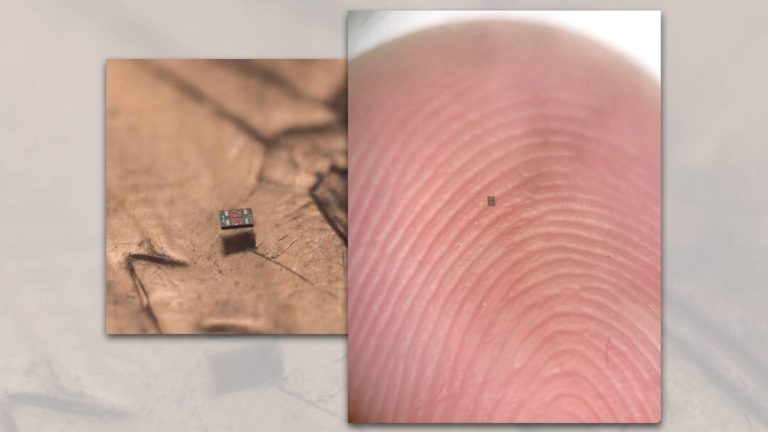
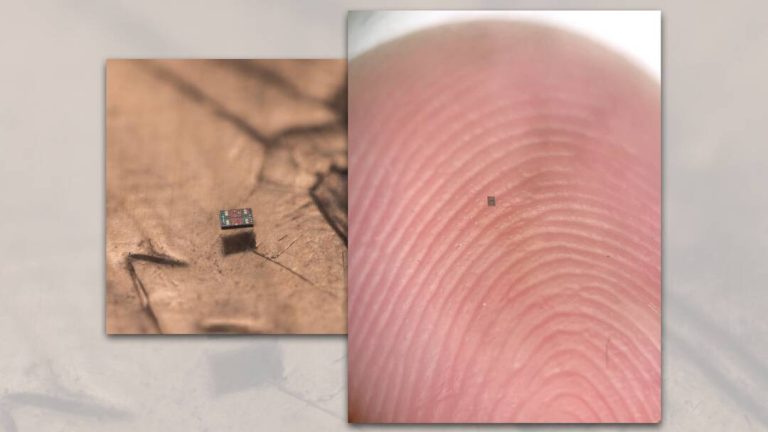
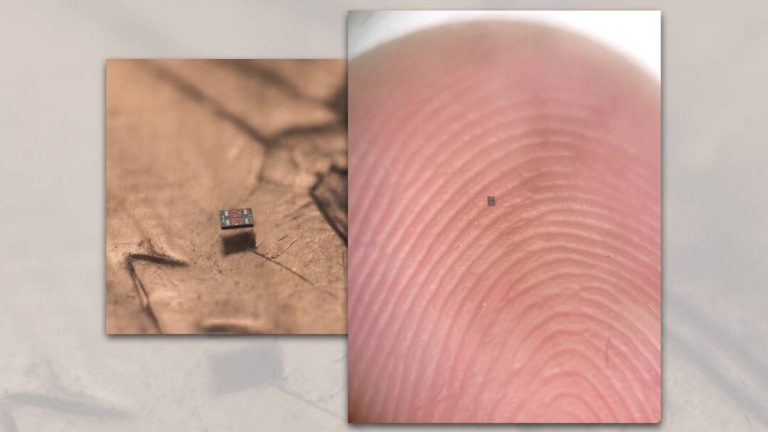
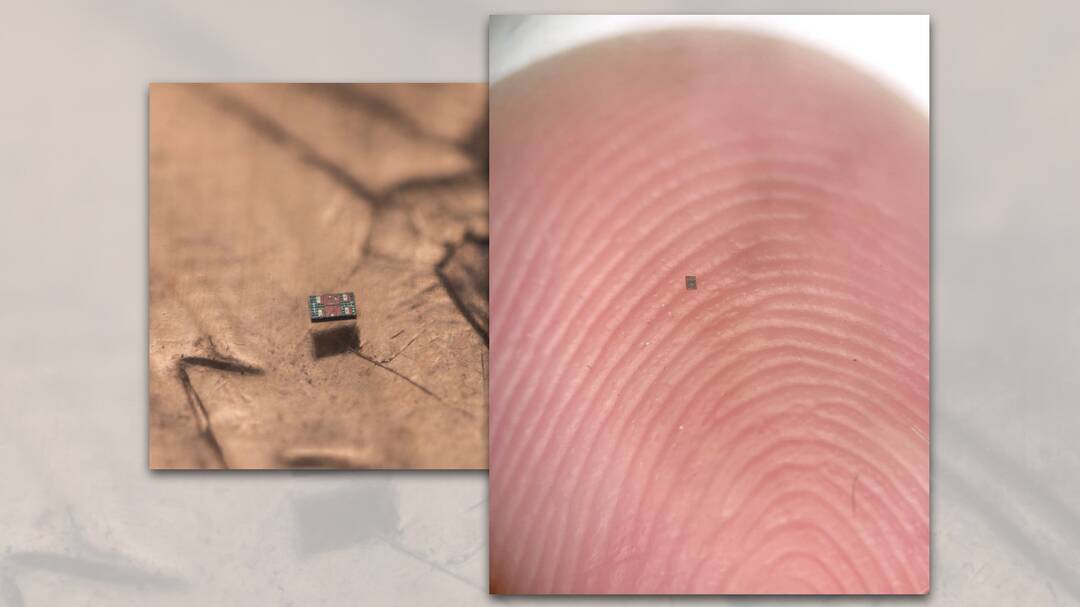
In a groundbreaking achievement, researchers from the Universities of Pennsylvania and Michigan have successfully created the world’s smallest fully programmable and autonomous robots. These microscopic swimming machines are capable of independently sensing and responding to their surroundings, paving the way for a new era of innovation in the field of robotics. The robots, which measure a mere 0.2 by 0.3 by 0.05 millimeters, are barely visible to the naked eye and can be produced at a cost of just one penny per unit.
The creation of these tiny robots is a significant breakthrough, as it demonstrates the ability to design and manufacture complex systems at the microscale. The robots are equipped with a range of sensors and actuators that allow them to navigate and interact with their environment in a highly autonomous manner. This level of autonomy is made possible by the use of advanced programming algorithms and control systems, which enable the robots to make decisions and adapt to changing circumstances in real-time.
One of the key challenges in developing these robots was finding a way to power them. Traditional power sources, such as batteries, are too large and heavy for robots of this size, so the researchers had to develop alternative solutions. They achieved this by using a technique called “optical trapping,” which involves using a laser to create a kind of “optical tweezers” that can manipulate and move the robots. This approach allows the robots to be powered and controlled remotely, without the need for any physical connections.
The potential applications of these tiny robots are vast and varied. They could be used in a range of fields, from medicine and healthcare to environmental monitoring and surveillance. For example, they could be used to deliver targeted treatments to specific cells or tissues, or to monitor water quality and detect pollutants. They could also be used to explore and map complex environments, such as pipelines or buildings, and to search for and retrieve small objects.
The development of these robots is also a significant step forward in the field of swarm robotics. Swarm robotics involves the use of large numbers of simple robots that work together to achieve complex tasks. By using many small robots, rather than a single large one, it is possible to achieve greater flexibility, adaptability, and robustness. The tiny robots developed by the researchers at the Universities of Pennsylvania and Michigan are ideal for use in swarm robotics applications, as they are small, cheap, and highly autonomous.
The researchers behind this breakthrough are excited about the possibilities that these tiny robots offer. “These microscopic swimming machines can independently sense and respond to their surroundings,” they stated. “This is a major step forward in the development of autonomous systems, and we are eager to see where this technology will take us.”
The creation of these tiny robots is a testament to the power of human ingenuity and the importance of interdisciplinary research. The researchers involved in this project came from a range of backgrounds, including engineering, computer science, and biology, and they worked together to develop a truly innovative solution. This kind of collaboration and creativity is essential for driving progress in the field of robotics and for developing new technologies that can benefit society as a whole.
In conclusion, the development of the world’s smallest fully programmable and autonomous robots is a significant achievement that has the potential to revolutionize a range of fields. These tiny robots are capable of independently sensing and responding to their surroundings, and they can be produced at a cost of just one penny per unit. With their potential applications in medicine, environmental monitoring, and swarm robotics, these robots are an exciting example of the innovative solutions that can be achieved through interdisciplinary research and collaboration.
Image Credits: The researchers have shared pictures of the tiny robots, which can be seen navigating through complex environments and interacting with their surroundings. The images are a testament to the incredible level of detail and precision that has gone into the design and manufacture of these robots.
The development of these tiny robots is a significant step forward in the field of robotics, and it has the potential to inspire a new generation of researchers and engineers. As we continue to push the boundaries of what is possible with robotics and artificial intelligence, it will be exciting to see where this technology takes us and what new innovations it enables.
For more information on this breakthrough, please visit the University of Pennsylvania’s website, where the researchers have shared more details about their work and the potential applications of these tiny robots.
News Source: https://www.seas.upenn.edu/stories/penn-and-umich-create-worlds-smallest-programmable-autonomous-robots/
About the Author