Scientists create world’s smallest programmable robots, share pics
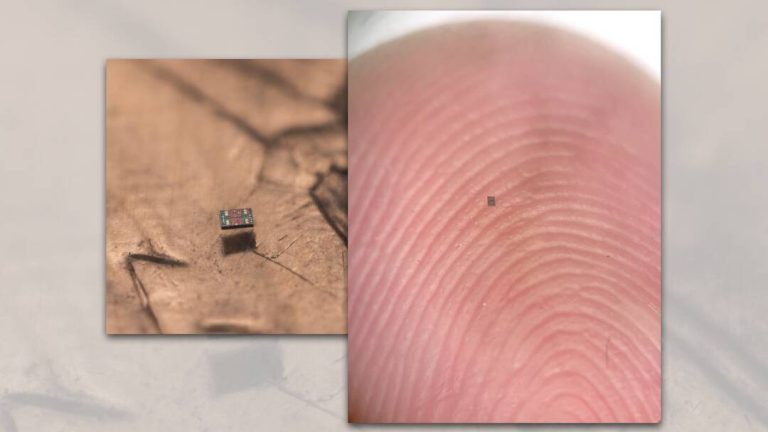
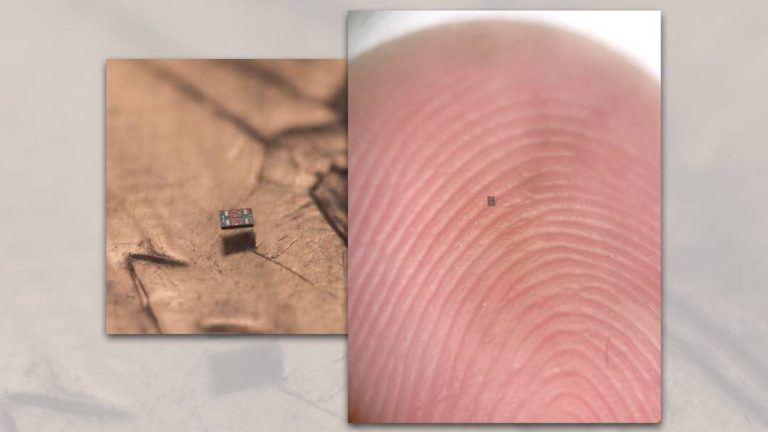
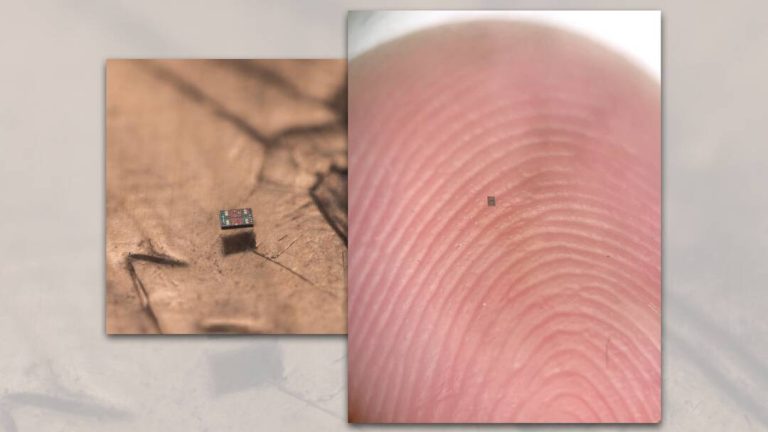
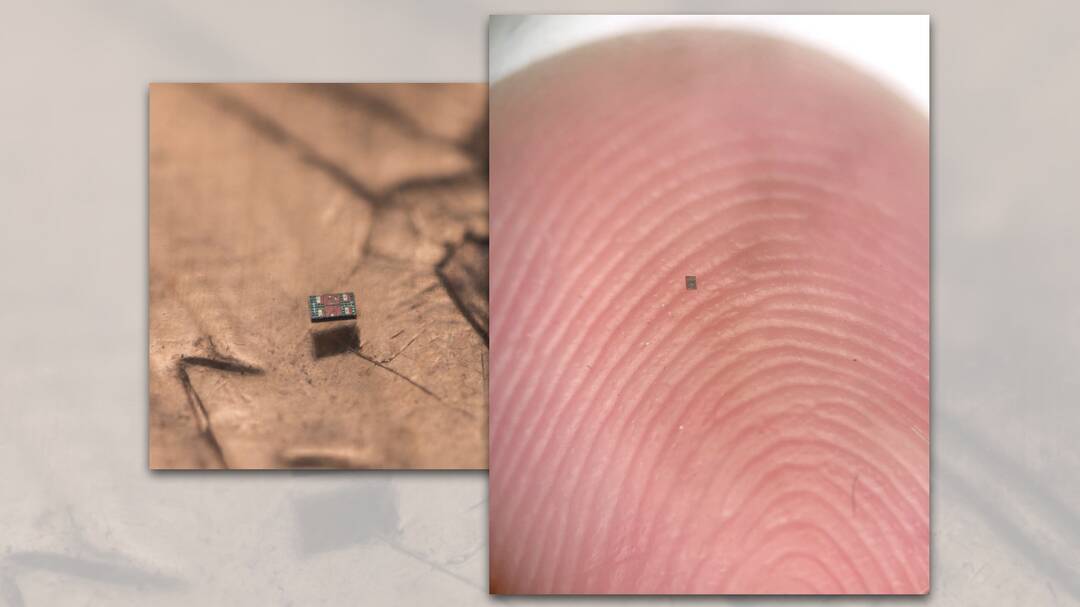
In a groundbreaking achievement, researchers from the Universities of Pennsylvania and Michigan have successfully created the world’s smallest fully programmable and autonomous robots. These microscopic machines, which are barely visible to the naked eye, have the ability to independently sense and respond to their surroundings, making them a significant breakthrough in the field of robotics.
The robots, measuring a mere 0.2 by 0.3 by 0.05 millimeters, are not only small but also incredibly affordable, with a production cost of just one penny per unit. This makes them an exciting prospect for a wide range of applications, from medical research to environmental monitoring.
According to the researchers, these microscopic swimming machines are capable of navigating through complex environments and responding to various stimuli, such as changes in temperature, light, or chemical composition. This is made possible by a sophisticated system of sensors and actuators that allow the robots to detect and react to their surroundings in real-time.
One of the most significant advantages of these tiny robots is their ability to operate independently, without the need for external control or power sources. This makes them ideal for applications where traditional robots would be impractical or impossible to use, such as in tight spaces or in areas with limited access.
The creation of these tiny robots is the result of a collaborative effort between researchers from the University of Pennsylvania and the University of Michigan. The team used a combination of advanced materials and manufacturing techniques to design and build the robots, which are made up of a thin layer of silicon and a series of tiny actuators and sensors.
The researchers believe that their creation has the potential to revolutionize a wide range of fields, from medicine to environmental science. For example, the robots could be used to deliver targeted treatments to specific areas of the body, or to monitor water quality in remote or hard-to-reach areas.
The development of these tiny robots is also expected to have a significant impact on the field of robotics as a whole. By pushing the boundaries of what is possible in terms of size and complexity, the researchers are helping to pave the way for a new generation of robots that are smaller, smarter, and more autonomous than ever before.
In addition to their potential applications, the tiny robots are also an impressive achievement in terms of engineering and design. The researchers had to overcome a number of significant challenges in order to create machines that are not only small but also fully functional and autonomous.
The team used a range of advanced techniques, including 3D printing and microfabrication, to create the robots’ complex components and systems. They also had to develop new methods for powering and controlling the robots, as traditional approaches would be impractical or impossible at such a small scale.
The result of their efforts is a robot that is not only incredibly small but also remarkably sophisticated. The machines are capable of navigating through complex environments, avoiding obstacles, and responding to a wide range of stimuli.
The researchers have shared pictures of their creation, which provide a fascinating glimpse into the world of microscopic robotics. The images show the robots in action, swimming through fluids and responding to different stimuli.
Overall, the creation of the world’s smallest fully programmable and autonomous robots is a significant achievement that has the potential to revolutionize a wide range of fields. The researchers’ use of advanced materials and manufacturing techniques has made it possible to create machines that are not only small but also incredibly sophisticated and capable.
As research in this area continues to evolve, it will be exciting to see the potential applications and implications of these tiny robots. From medicine to environmental science, the possibilities are endless, and the potential for these machines to make a positive impact on our world is vast.
About the Author