Scientists create world’s smallest programmable robots, share pics
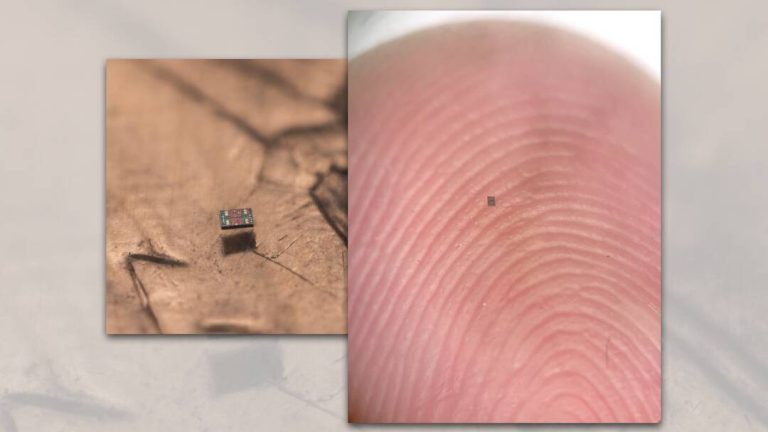
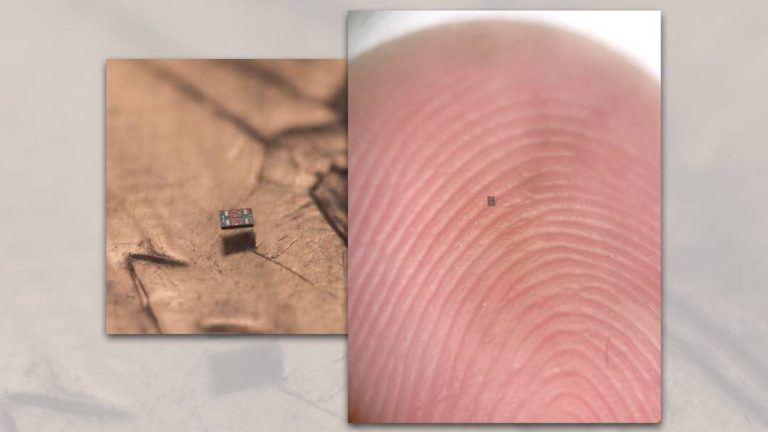
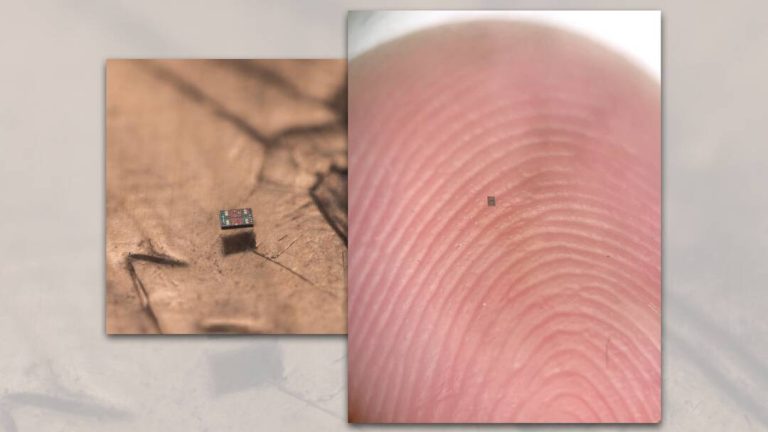
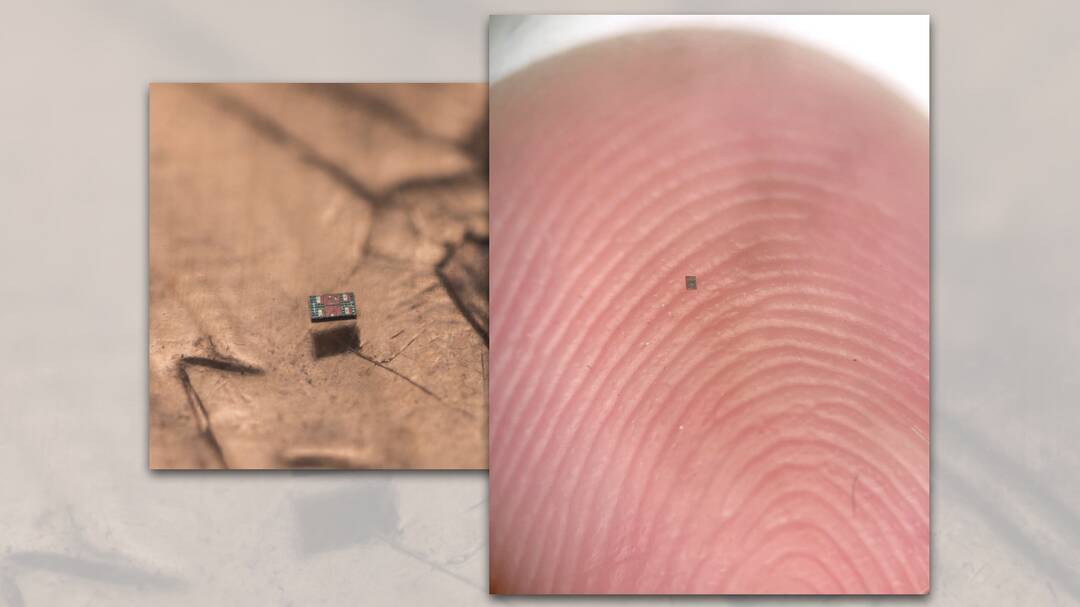
In a groundbreaking achievement, researchers from the Universities of Pennsylvania and Michigan have successfully created the world’s smallest fully programmable and autonomous robots. These microscopic swimming machines are capable of independently sensing and responding to their surroundings, paving the way for a new era in robotics and artificial intelligence. The robots, which are barely visible to the naked eye, measure a mere 0.2 by 0.3 by 0.05 millimeters, making them the smallest of their kind.
The development of these tiny robots is a significant breakthrough, as they can be programmed to perform a variety of tasks, from navigating through complex environments to interacting with other robots. According to the researchers, the robots can “independently sense and respond to their surroundings,” allowing them to adapt to changing situations and make decisions in real-time. This level of autonomy is unprecedented in robots of this size, and it has the potential to revolutionize the field of robotics.
One of the most impressive aspects of these robots is their cost. Each unit costs only a penny, making them incredibly affordable and accessible. This low cost, combined with their small size and programmability, makes them ideal for a wide range of applications, from medical research to environmental monitoring.
The robots are equipped with a range of sensors and actuators that allow them to navigate and interact with their environment. They are powered by a tiny battery that provides enough energy for them to swim and maneuver through liquids. The researchers have also developed a sophisticated programming language that allows them to control the robots’ movements and behaviors.
The potential applications of these tiny robots are vast and varied. They could be used to deliver targeted medication to specific cells or tissues, or to monitor water quality and detect pollutants. They could also be used to explore and map complex environments, such as pipes or other confined spaces.
The development of these robots is the result of a collaboration between researchers from the Universities of Pennsylvania and Michigan. The team, which includes engineers, computer scientists, and biologists, has been working on the project for several years. They have used a range of techniques, including 3D printing and microfabrication, to create the robots’ tiny components and assemble them into a functioning system.
The researchers have shared pictures of the robots, which show their tiny size and intricate details. The images provide a glimpse into the fascinating world of micro-robotics, where tiny machines can be designed and built to perform complex tasks.
The creation of these tiny robots is a significant achievement that has the potential to transform a wide range of fields, from medicine to environmental science. As the researchers continue to develop and refine their technology, we can expect to see even more innovative applications of these tiny machines.
In conclusion, the development of the world’s smallest fully programmable and autonomous robots is a groundbreaking achievement that has the potential to revolutionize the field of robotics. With their tiny size, low cost, and sophisticated programming language, these robots are poised to make a significant impact on a wide range of applications. As researchers continue to explore the possibilities of micro-robotics, we can expect to see even more innovative and exciting developments in the years to come.
News Source: https://www.seas.upenn.edu/stories/penn-and-umich-create-worlds-smallest-programmable-autonomous-robots/
About the Author