Scientists create world’s smallest programmable robots, share pics
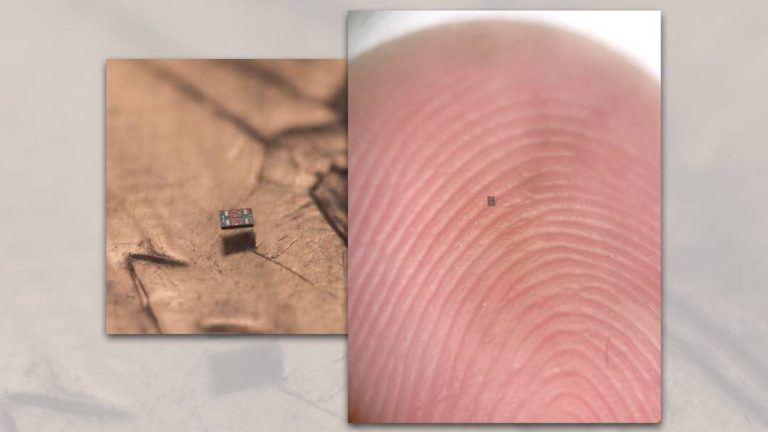
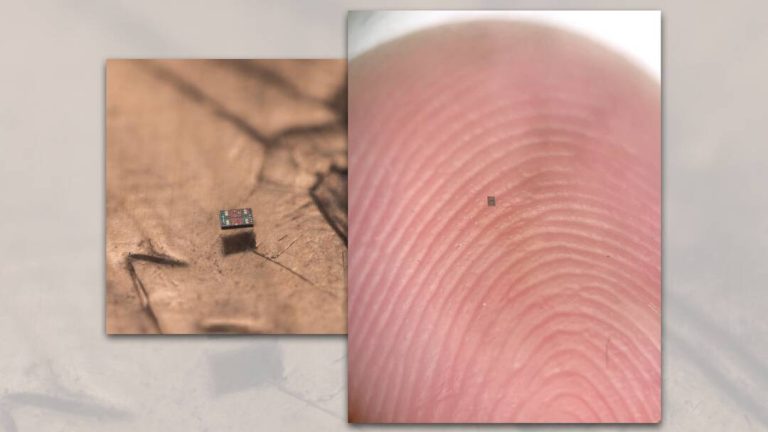
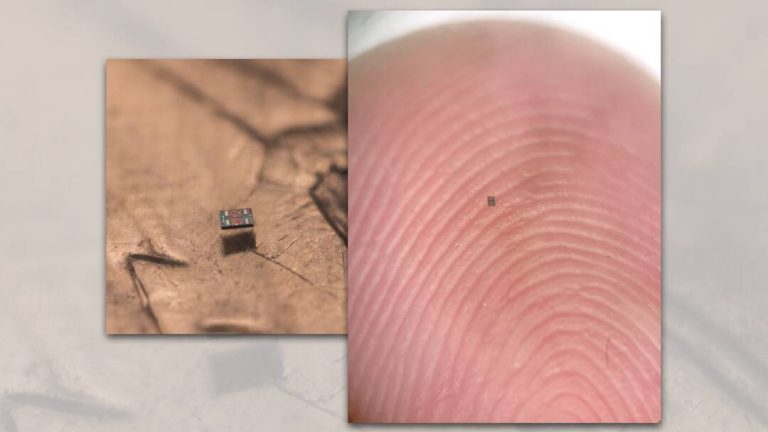
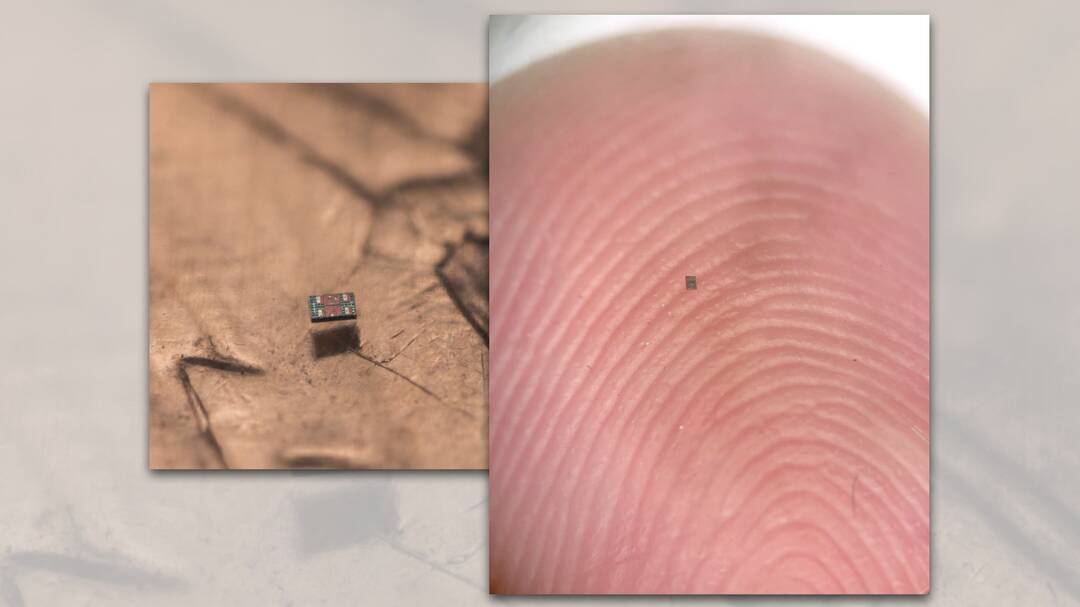
In a groundbreaking achievement, researchers from the Universities of Pennsylvania and Michigan have successfully created the world’s smallest fully programmable and autonomous robots. These microscopic machines are capable of independently sensing and responding to their surroundings, marking a significant milestone in the field of robotics. The robots, which are barely visible to the naked eye, measure a mere 0.2 by 0.3 by 0.05 millimeters, and are incredibly affordable, with a production cost of just one penny per unit.
The development of these tiny robots is a testament to the advancements in technology and engineering, and has the potential to revolutionize various fields, including medicine, environmental monitoring, and search and rescue operations. The researchers behind this innovation have stated that their creation can “independently sense and respond to their surroundings,” making them highly versatile and adaptable to different situations.
One of the most significant features of these robots is their ability to swim through fluids, allowing them to navigate through complex environments with ease. This capability makes them ideal for applications such as targeted drug delivery, where they can swim through the bloodstream to reach specific areas of the body. Additionally, their small size and autonomous nature enable them to access areas that are difficult or impossible for larger robots to reach.
The robots’ programming capabilities also make them highly customizable, allowing researchers to tailor their behavior to specific tasks and environments. This flexibility, combined with their low production cost, makes them an attractive option for a wide range of applications, from environmental monitoring to search and rescue operations.
The development of these microscopic robots is the result of a collaborative effort between researchers from the Universities of Pennsylvania and Michigan. The team, which consists of experts in robotics, engineering, and materials science, has been working on this project for several years, and their hard work has finally paid off.
The robots’ design is based on a novel architecture that allows them to move and respond to their surroundings in a highly efficient and effective manner. The team used advanced materials and manufacturing techniques to create the robots’ tiny components, which are smaller than a grain of salt.
The implications of this breakthrough are far-reaching and exciting. With the ability to create robots that are smaller, cheaper, and more autonomous than ever before, researchers can now explore new frontiers in robotics and automation. The potential applications of these robots are vast, and it is likely that we will see them being used in a wide range of fields in the near future.
For example, these robots could be used to monitor water quality in rivers and lakes, or to detect toxic chemicals in the environment. They could also be used to deliver targeted treatments to patients, or to search for survivors in disaster zones. The possibilities are endless, and it is up to researchers and engineers to explore and develop these applications.
In conclusion, the creation of the world’s smallest fully programmable and autonomous robots is a significant achievement that has the potential to revolutionize various fields. The robots’ tiny size, autonomous nature, and programming capabilities make them highly versatile and adaptable to different situations. With their low production cost and potential for widespread adoption, these robots are likely to have a major impact on the world of robotics and beyond.
The researchers behind this innovation have shared pictures of their creation, giving us a glimpse into the fascinating world of microscopic robotics. The images show the robots’ tiny components and their ability to swim through fluids, highlighting their impressive capabilities.
As we look to the future, it is exciting to think about the potential applications of these robots and the impact they could have on our daily lives. With continued advancements in technology and engineering, it is likely that we will see even more innovative developments in the field of robotics, and the creation of the world’s smallest fully programmable and autonomous robots is just the beginning.
News Source: https://www.seas.upenn.edu/stories/penn-and-umich-create-worlds-smallest-programmable-autonomous-robots/
About the Author