Scientists create world’s smallest programmable robots, share pics
The field of robotics has witnessed a significant breakthrough with the creation of the world’s smallest fully programmable and autonomous robots. Researchers from the Universities of Pennsylvania and Michigan have successfully developed microscopic swimming machines that can independently sense and respond to their surroundings. These robots, which are barely visible to the naked eye, have the potential to revolutionize various fields such as medicine, environmental monitoring, and more.
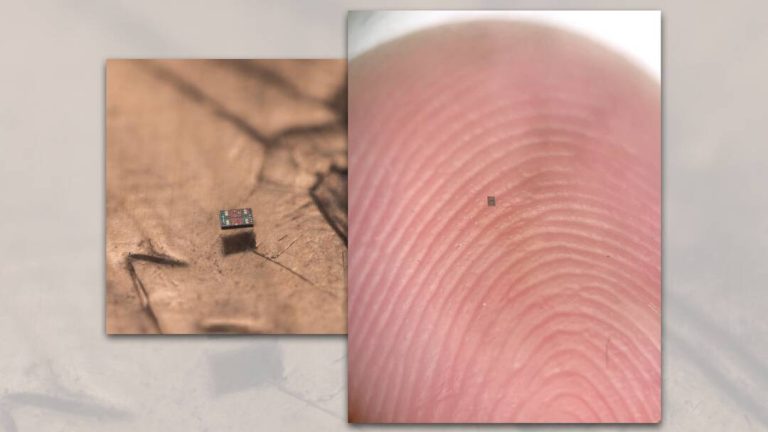
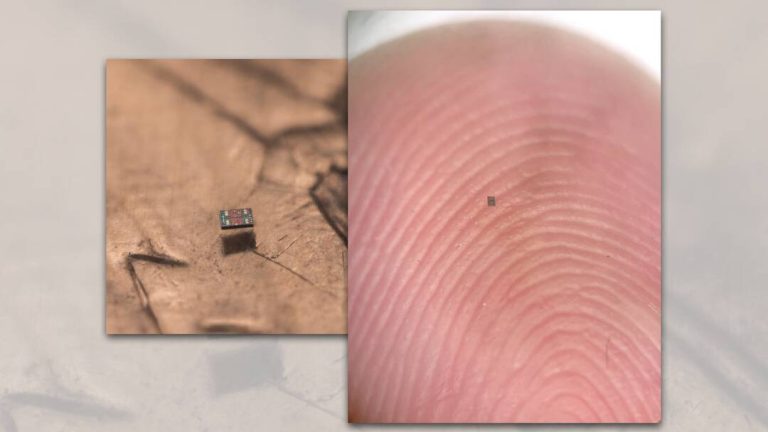
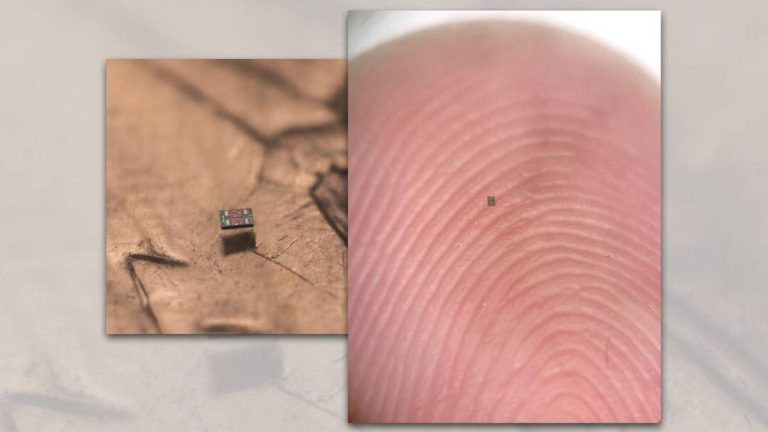
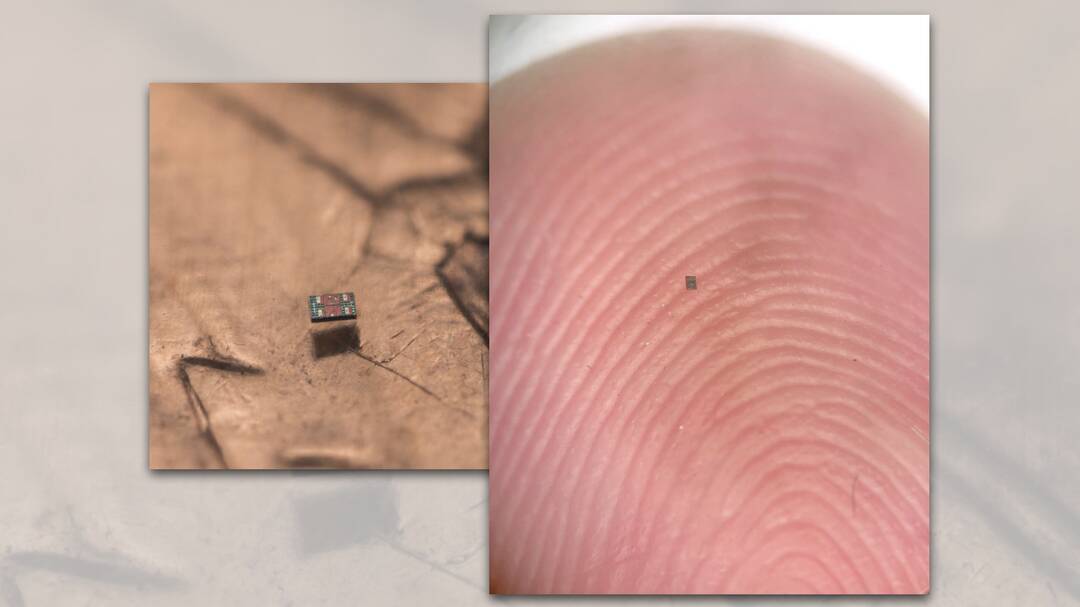
The robot, measuring a mere 0.2 by 0.3 by 0.05 millimeters, is an incredible feat of engineering. To put that into perspective, it’s smaller than a grain of salt and can be produced at a cost of just one penny per unit. This tiny robot is not only small but also fully programmable and autonomous, meaning it can operate independently without the need for human intervention.
According to the researchers, “These microscopic swimming machines can independently sense and respond to their surroundings.” This ability to sense and respond to their environment makes these robots highly versatile and adaptable to various situations. The potential applications of these robots are vast, ranging from targeted drug delivery to environmental monitoring and remediation.
One of the most significant advantages of these robots is their ability to navigate through complex environments with ease. Their small size and agility allow them to swim through tight spaces, making them ideal for applications such as navigating through blood vessels or other narrow passages. This ability to navigate through complex environments could lead to breakthroughs in fields such as medicine, where robots could be used to deliver targeted treatments or diagnose diseases.
The development of these robots is a result of a collaborative effort between researchers from the Universities of Pennsylvania and Michigan. The team used a combination of techniques, including 3D printing and microfabrication, to create the robots. The robots are made up of a flexible polymer material that allows them to move and change shape in response to their environment.
The researchers have shared pictures of the robots, which provide a glimpse into the incredible detail and complexity of these tiny machines. The images show the robots in various shapes and configurations, highlighting their ability to adapt to different situations. The pictures also demonstrate the robots’ ability to move and change direction in response to their environment.
The creation of these robots is a significant step forward in the field of robotics, and it has the potential to revolutionize various industries. The ability to create fully programmable and autonomous robots at such a small scale could lead to breakthroughs in fields such as medicine, environmental monitoring, and more.
The researchers are excited about the potential applications of these robots and are already exploring ways to use them in various fields. According to the researchers, “These robots could be used for a wide range of applications, from targeted drug delivery to environmental monitoring and remediation.” The team is also working on developing new technologies that will allow the robots to communicate with each other and with humans, further expanding their potential applications.
In conclusion, the creation of the world’s smallest fully programmable and autonomous robots is a significant breakthrough in the field of robotics. These microscopic swimming machines have the potential to revolutionize various fields, from medicine to environmental monitoring. With their ability to sense and respond to their surroundings, these robots are highly versatile and adaptable to various situations. As researchers continue to develop and refine this technology, we can expect to see significant advancements in various fields.
The potential applications of these robots are vast, and it will be exciting to see how they are used in the future. With their small size, agility, and ability to navigate through complex environments, these robots could lead to breakthroughs in fields such as medicine, environmental monitoring, and more. As the technology continues to evolve, we can expect to see even more innovative applications of these tiny machines.
For more information on this breakthrough, please visit the University of Pennsylvania’s website, where you can find more details on the research and development of these incredible robots.
News Source: https://www.seas.upenn.edu/stories/penn-and-umich-create-worlds-smallest-programmable-autonomous-robots/
About the Author